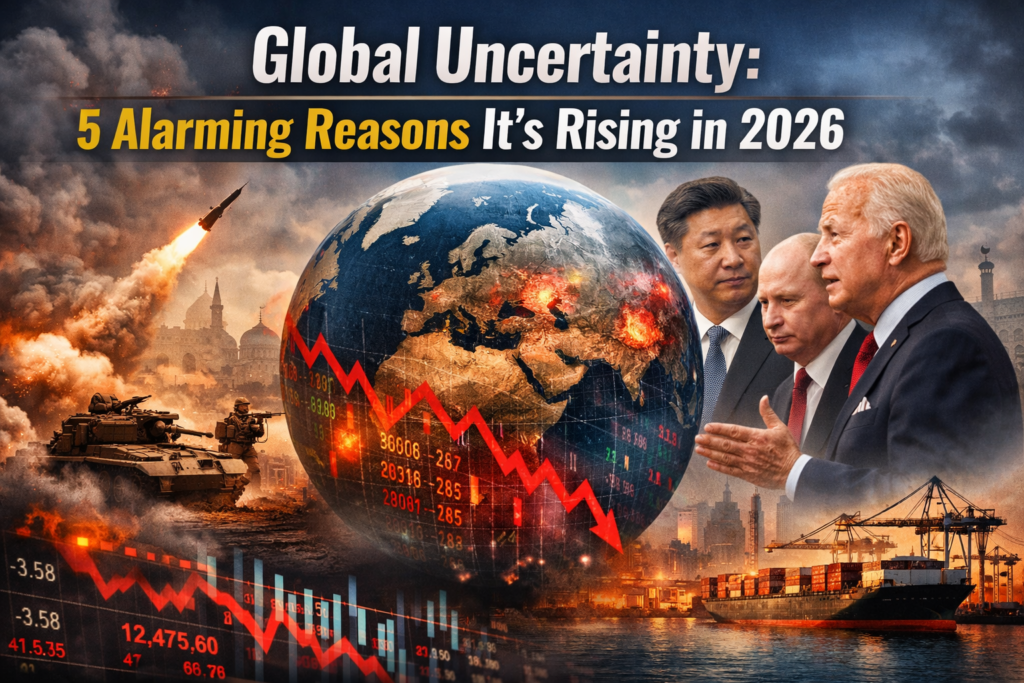
The global landscape in 2026 is becoming increasingly unpredictable. From geopolitical conflicts and economic volatility to technological disruption and shifting alliances, multiple forces are reshaping the international order.
Analysts and economists say the level of global unpredictability has reached one of its highest points in decades. Governments, corporations, and investors are all navigating a complex environment where sudden policy changes, market swings, and geopolitical developments can quickly reshape global dynamics.
This growing global uncertainty in 2026 is not driven by a single event. Instead, it reflects the convergence of several powerful trends affecting politics, economics, technology, and international relations.
Geopolitical Conflicts Driving Global Tension
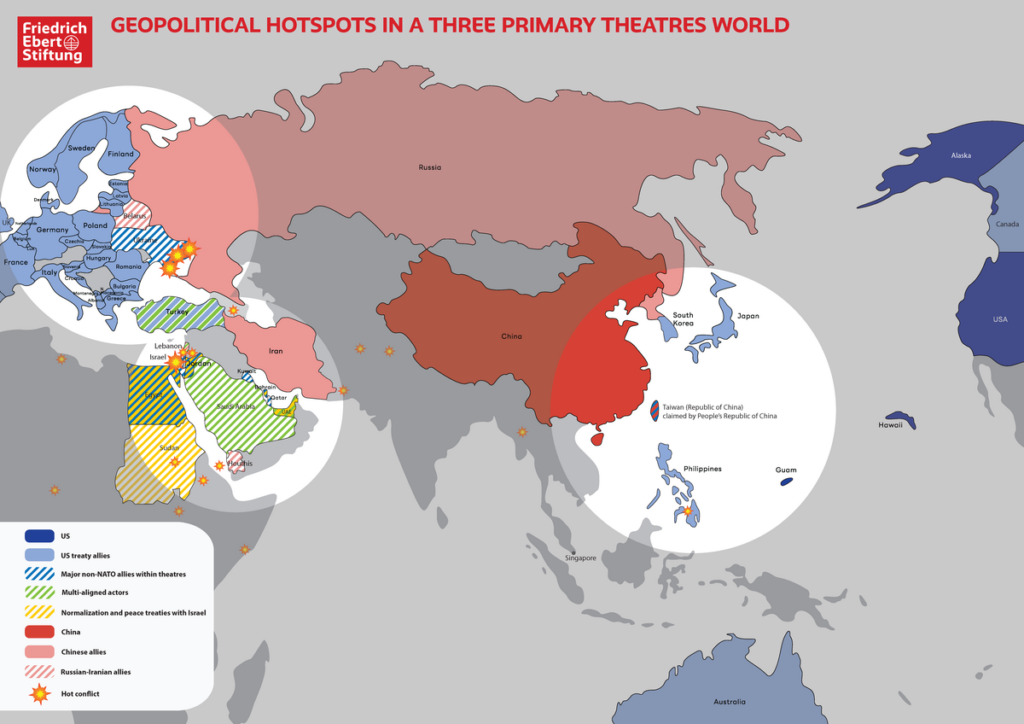
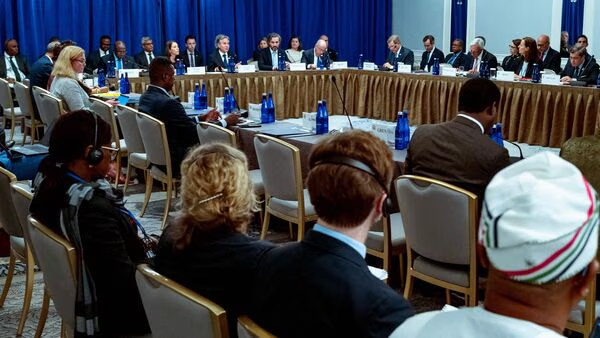
Rising geopolitical tensions remain one of the most significant contributors to global uncertainty.
The ongoing conflict between Russia and Ukraine continues to influence European security and global energy markets. Meanwhile, tensions in the Middle East and shifting alliances in Asia have increased concerns about regional stability.
International diplomacy has become more complex as major powers pursue competing strategic interests. Organizations such as the United Nations have emphasized the need for diplomatic dialogue to prevent further escalation.
However, divisions among global powers often make consensus difficult, prolonging uncertainty across multiple regions.
Economic Instability and Market Volatility
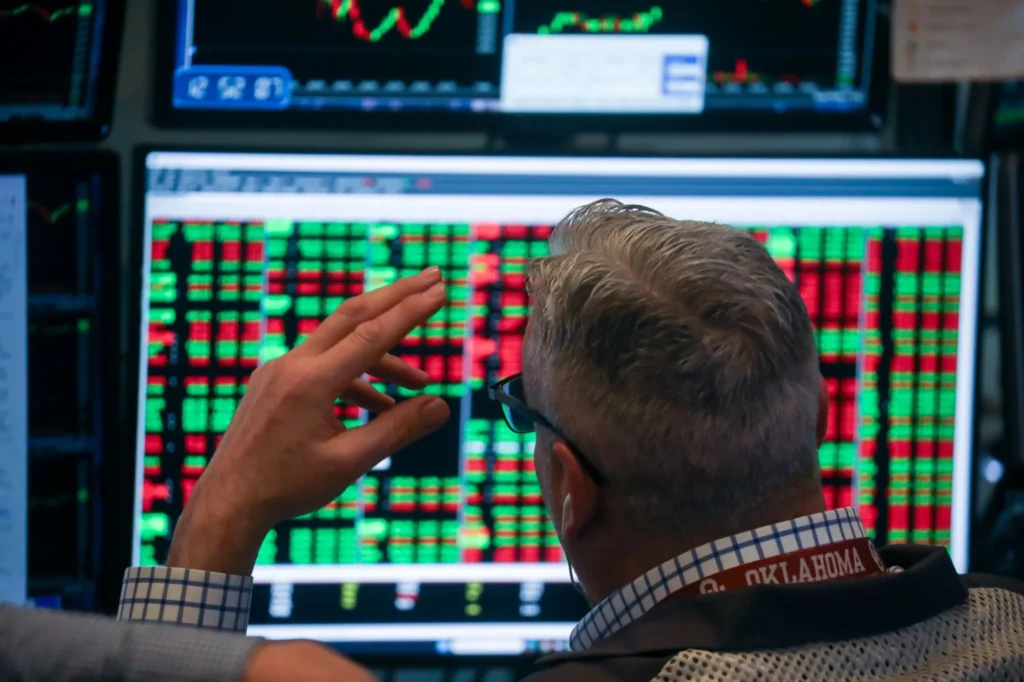
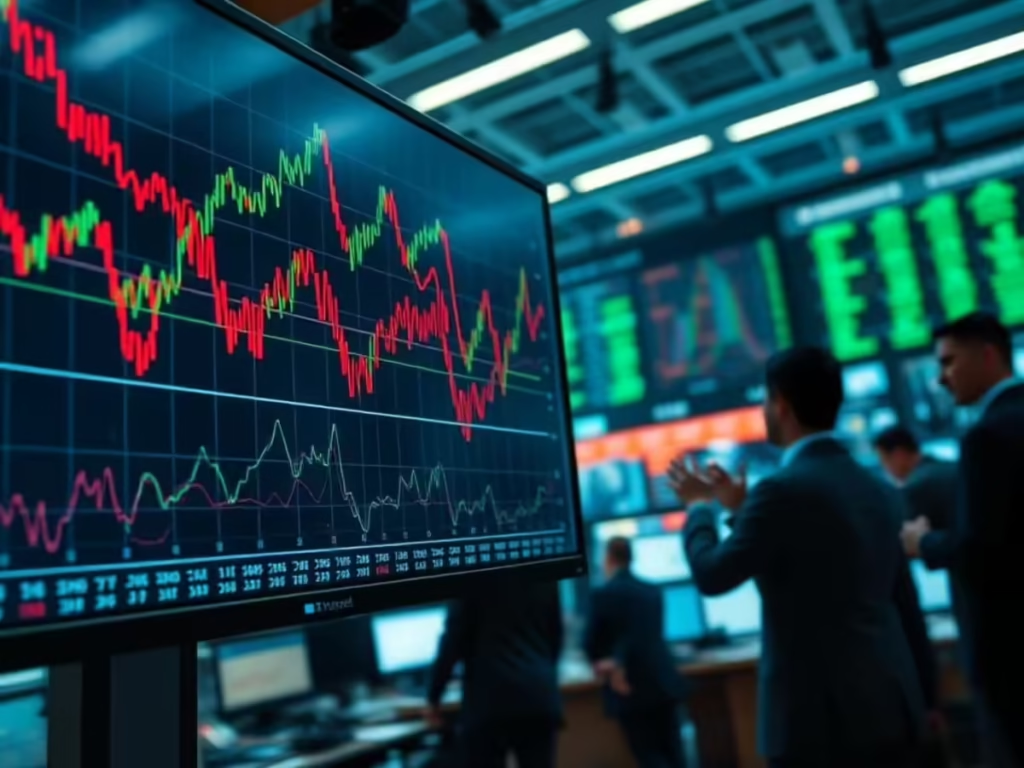
Economic instability is another key factor shaping the uncertain global environment.
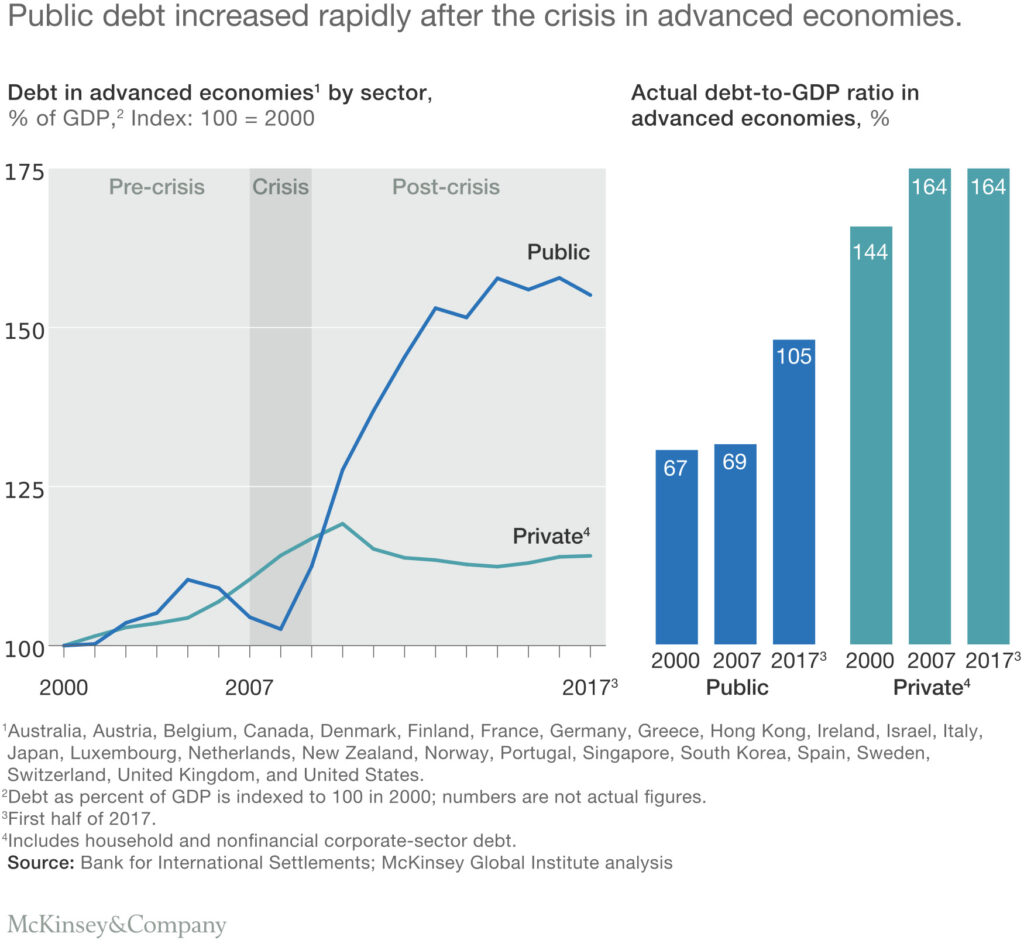
Financial markets have experienced frequent fluctuations as investors respond to inflation concerns, interest rate changes, and slowing growth in several major economies. Rising public debt levels and uneven economic recovery after recent global disruptions have added further pressure.
Global institutions such as the International Monetary Fund and the World Bank have warned that economic conditions remain fragile in many regions.
Energy prices, currency volatility, and shifting trade patterns continue to influence global economic stability, forcing governments and businesses to remain cautious in their financial planning.
Technology and Artificial Intelligence Reshaping Global Competition
Technological advancement—especially in artificial intelligence—is transforming the global balance of power.
Major economies are investing billions into AI research, digital infrastructure, and advanced computing. These technologies promise major breakthroughs in healthcare, manufacturing, defense, and communication.
However, the rapid development of artificial intelligence also raises questions about regulation, cybersecurity, and economic inequality. Countries are competing to lead the next wave of technological innovation, which may reshape global influence in the coming decades.
As this technological race intensifies, it adds another layer of complexity to the already evolving global landscape.
Trade Tensions and Supply Chain Shifts
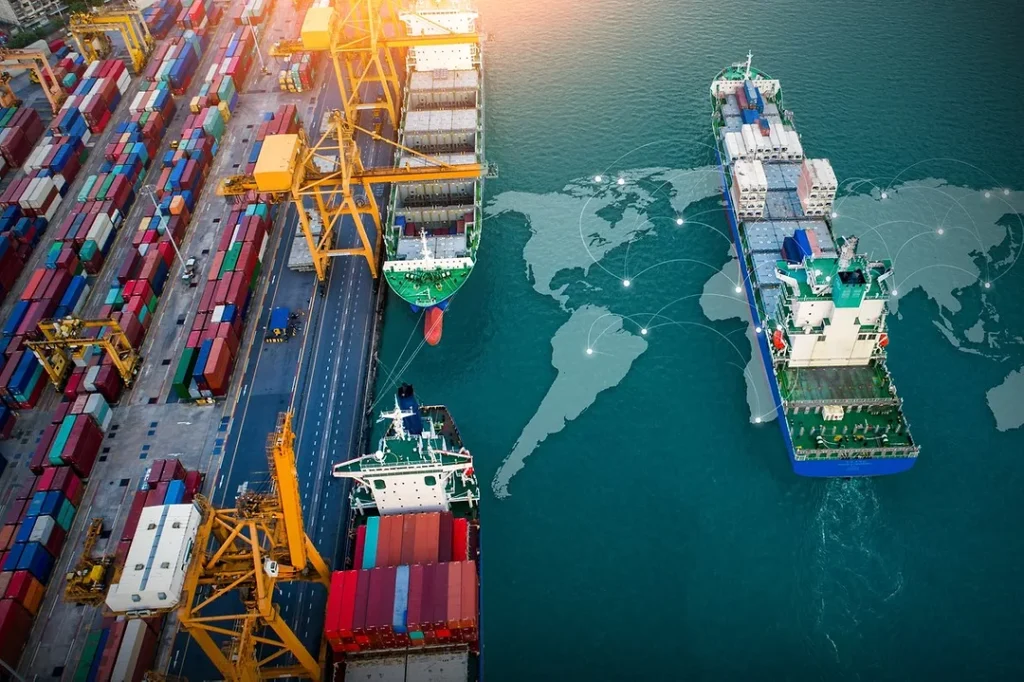
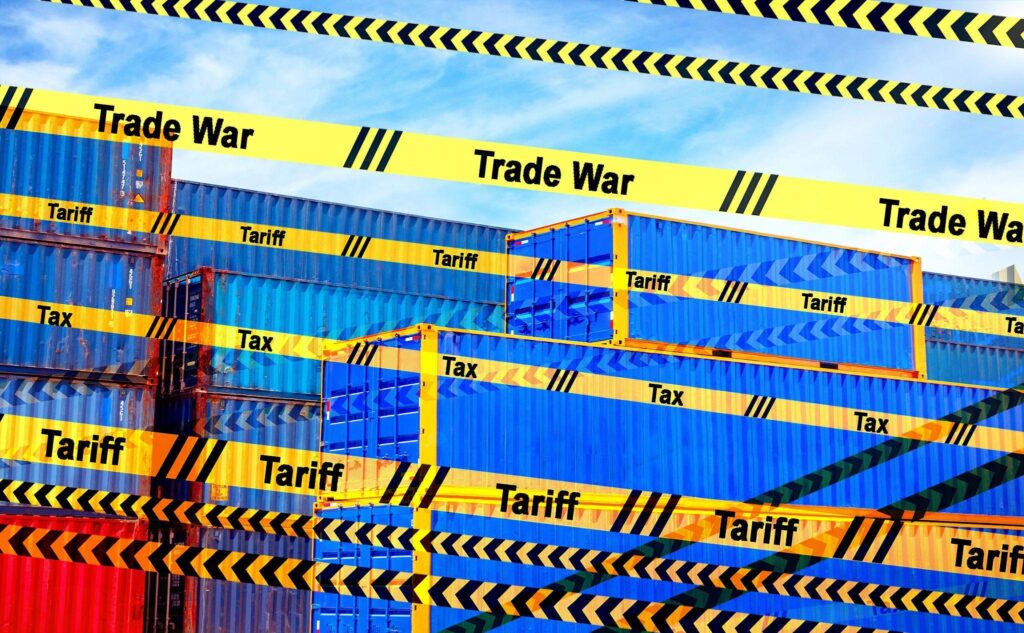
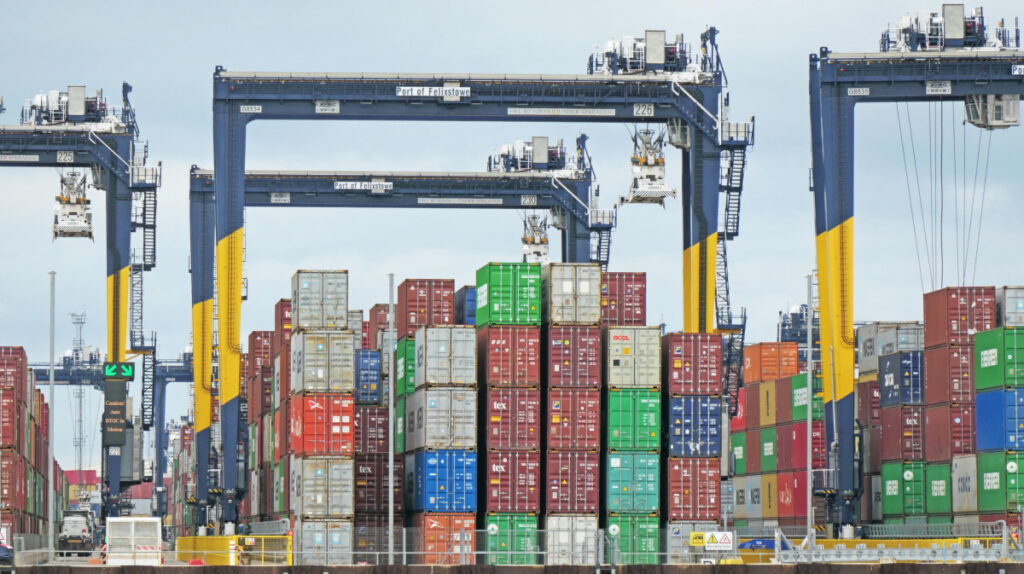
Global trade patterns are also undergoing significant changes.
In recent years, tariffs, sanctions, and export restrictions have become more common tools in international economic disputes. These policies can disrupt established supply chains and force companies to relocate production or diversify suppliers.
Businesses operating internationally are increasingly focusing on resilience and risk management to cope with this evolving environment.
The restructuring of supply chains may ultimately lead to a more regionally focused global economy, but the transition itself is contributing to uncertainty in the short term.
What This Means for the Future
Despite these challenges, experts believe that global uncertainty also creates opportunities for reform and cooperation.
Governments may strengthen international partnerships, invest in technological innovation, and develop new economic strategies to adapt to the changing world order.
Businesses are also becoming more agile, diversifying supply networks and exploring emerging markets to reduce risk.
While uncertainty is likely to remain a defining feature of the current era, proactive strategies and international collaboration could help create a more stable and resilient global system.
A World Navigating a New Era of Uncertainty
The rise of global uncertainty in 2026 reflects a world undergoing profound transformation. Geopolitical tensions, economic shifts, technological competition, and evolving trade relationships are all shaping a rapidly changing international landscape.
Understanding these forces is essential for policymakers, investors, and citizens alike. As global events continue to unfold, adaptability and cooperation will be key to navigating the challenges and opportunities of this new era.
Frequently Asked Questions
What is causing global uncertainty in 2026?
Global uncertainty in 2026 is driven by geopolitical conflicts, economic volatility, rapid technological change, and shifting global trade dynamics.
How do geopolitical tensions affect the global economy?
Conflicts and diplomatic tensions can influence energy markets, trade routes, and investor confidence, leading to economic instability.
Why is artificial intelligence influencing global competition?
Artificial intelligence is transforming industries and national security strategies, prompting countries to compete for technological leadership.
Are global markets expected to remain volatile?
Many economists believe market volatility may continue as governments adjust policies and economies adapt to new global conditions.
Can international cooperation reduce global uncertainty?
Diplomatic engagement, economic cooperation, and technological collaboration can help stabilize global systems and reduce long-term uncertainty.
👉 Stay updated with the latest geopolitical developments and international stories by visiting our World News – Global Politics section.