India’s digital payment revolution is entering a new phase, and the latest UPI rule changes are already creating buzz among users. With millions relying on UPI for daily transactions, even a small regulatory update can directly impact how money is sent and received. The recent changes, especially around transactions above ₹10,000, have raised important questions about limits, alerts, and security checks. Are these rules restrictive, or are they designed to protect users from rising digital fraud? In this article, we break down everything you need to know in a simple and practical way so you can use UPI confidently without confusion.
At Informosio, we simplify complex financial updates like the latest UPI rule changes into clear, practical insights so you can stay ahead of digital payment trends, understand what impacts your money, and avoid costly mistakes in real time.
UPI Rule Changes 2026: What It Means for Everyday Users
India’s digital payment ecosystem is evolving rapidly, and the latest UPI rule changes introduced by the Reserve Bank of India are a clear signal that tighter regulations are coming. With millions relying on UPI daily for everything from groceries to business payments, even a small update can have a massive impact.
The new rules are not about restricting users but about making transactions safer, more transparent, and better monitored. One key highlight that has grabbed attention is the change affecting transactions above ₹10,000. This has sparked widespread curiosity and concern among users searching for clarity.
Why RBI Introduced These UPI Rule Changes
The rise of digital fraud and unauthorized transactions has been a growing concern in India. As UPI usage skyrockets, regulators are focusing more on security rather than just convenience.
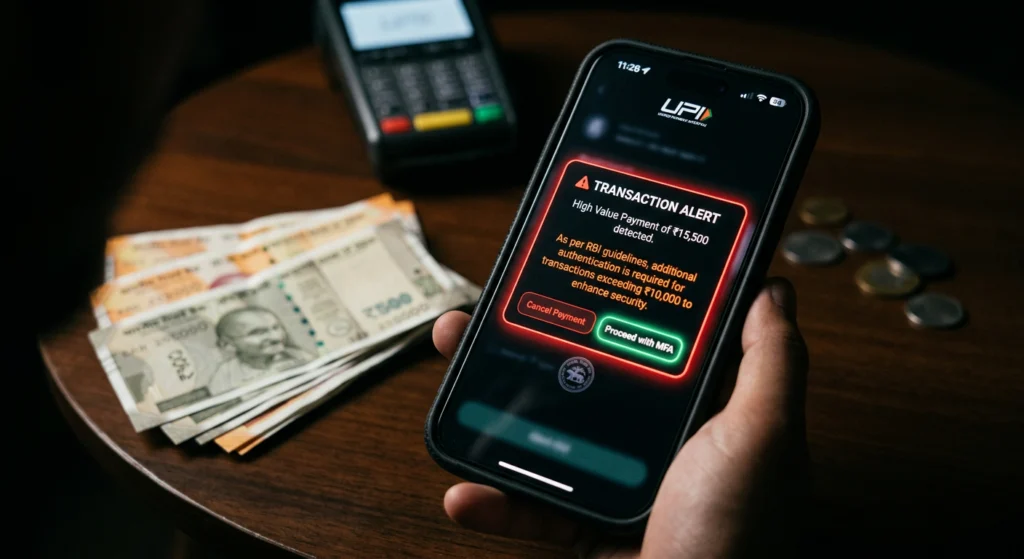
The Reserve Bank of India aims to ensure that large-value transactions are tracked more effectively. This does not mean users cannot send money above ₹10,000. Instead, it means such transactions may now be subject to additional checks, alerts, or monitoring mechanisms.
These UPI rule changes are designed to protect users from scams while maintaining the speed and ease that UPI is known for.
What Happens If You Send More Than ₹10,000
One of the most talked-about aspects of the UPI rule changes is the ₹10,000 threshold. Many users believe transactions above this limit are restricted, but that is not entirely accurate.
Here’s what actually changes:
Transactions exceeding ₹10,000 may trigger real-time alerts or additional verification prompts depending on the bank or app. This could include OTP verification, confirmation notifications, or fraud detection checks.
The system may flag unusual transaction patterns. For example, if a user who usually sends small amounts suddenly transfers a large sum, the system could temporarily review or delay the transaction.
Banks and UPI apps may increase monitoring for repeated high-value transfers within a short time.
These steps are preventive, not restrictive. The goal is to reduce fraud without disrupting genuine transactions.
Impact on Daily UPI Users
For most people, the impact of these UPI rule changes will be minimal. Small transactions like paying for food, transport, or bills will continue as usual.
However, users who frequently send larger amounts may notice slight changes in the transaction flow. These could include additional confirmation steps or short delays in processing.
For businesses and freelancers who depend heavily on UPI, these changes may require better planning for payments. But overall, the system remains efficient and user-friendly.
Are There Any New Limits on UPI Transactions
It is important to clarify that UPI already has transaction limits set by banks and apps, typically up to ₹1 lakh per transaction in most cases.
The recent UPI rule changes do not reduce these limits. Instead, they introduce smarter monitoring for certain transactions, especially those crossing ₹10,000.
This means users still have the flexibility to send higher amounts, but with improved safety measures in place.
How This Affects Security and Fraud Prevention
Security is the biggest reason behind these UPI rule changes. Digital payment fraud has become more sophisticated, with scammers using social engineering, fake links, and phishing tactics.
By introducing alerts and monitoring for higher-value transactions, the system can quickly detect suspicious activity.
For example, if a transaction appears unusual, the system can warn the user instantly or temporarily block the payment until verified.
This significantly reduces the chances of users losing money due to fraud.
What Users Should Do Now
With these UPI rule changes in place, users should adopt smarter payment habits.
Always double-check the recipient’s details before sending money. Even a small mistake can lead to irreversible transactions.
Avoid rushing into large payments, especially if prompted by unknown calls or messages.
Enable all security features provided by your UPI app, including PIN protection and notifications.
Stay informed about updates from your bank and the Reserve Bank of India to avoid confusion.
The Bigger Picture of Digital Payments in India
India is one of the world’s fastest-growing digital economies, and UPI is at the center of this transformation. The government and regulators are constantly balancing innovation with security.
These UPI rule changes are part of a larger strategy to make digital payments safer and more reliable.
Instead of viewing them as restrictions, users should see them as protective measures that ensure long-term trust in the system.
Stay informed with Informosio in-depth coverage of Finance, Business News, Stock Market updates, IPO announcements and Company News.
Final Thoughts
The latest UPI rule changes are not about limiting your transactions but about protecting your money. Sending more than ₹10,000 will not stop you from using UPI, but it may involve smarter checks designed to prevent fraud.
As digital payments continue to grow, such updates are necessary to keep the ecosystem secure. For users, the key is to stay informed, cautious, and confident while using UPI.
Understanding these changes today can help you avoid confusion and make better financial decisions tomorrow.
🌐Connect with us
Informosio Finance – Finance news, business insights, startups, and market trends