
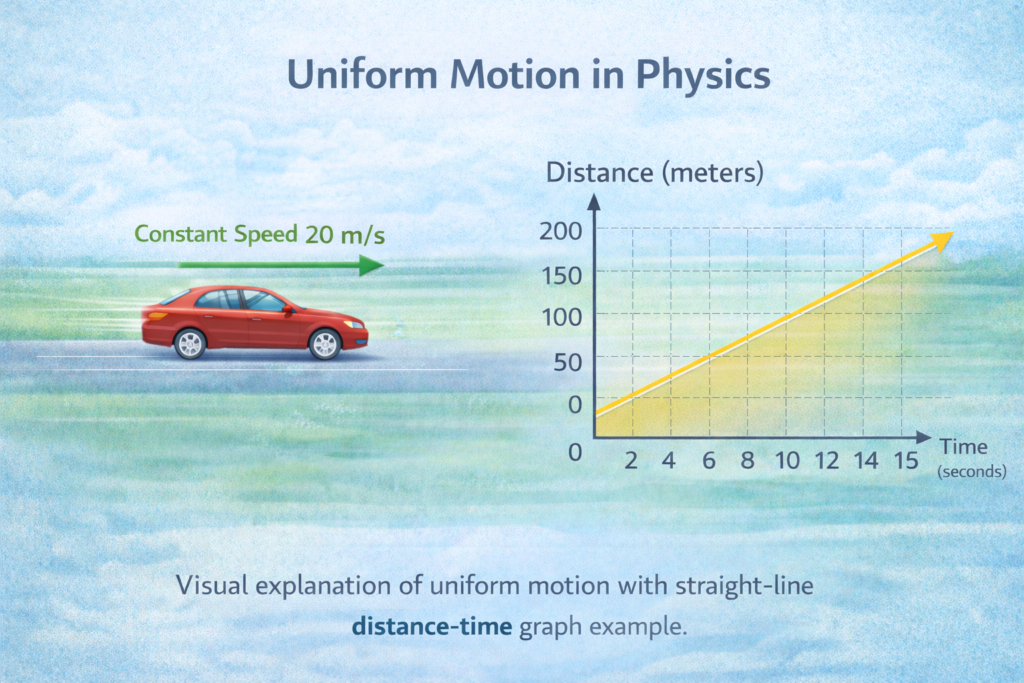
Uniform motion in physics is one of the fundamental concepts students learn in mechanics. It helps explain how objects move at a constant speed without changing direction. In this easy student guide, we will understand the meaning, formula, examples, and real-life applications of uniform motion in a simple and clear way.
What is Uniform Motion in Physics?
Uniform motion in physics refers to the movement of an object that covers equal distances in equal intervals of time. In this type of motion, the speed of the object remains constant, and there is no change in velocity if the direction also stays the same. Understanding uniform motion in physics helps students recognise simple and predictable movement patterns.
For example, a train moving at a constant speed on a straight railway track demonstrates uniform motion. Since the object’s speed and direction remain unchanged, the motion appears smooth and steady. Learning about uniform motion allows students to analyse real-life situations and build a strong foundation for advanced motion concepts.
👉 Back to: Complete Guide to Motion in Physics.
Characteristics of Uniform Motion
Uniform motion has several important features that make it easy to identify:
- Equal distances are covered in equal time intervals.
- Speed remains constant throughout the motion.
- The object moves in a straight line when velocity is constant.
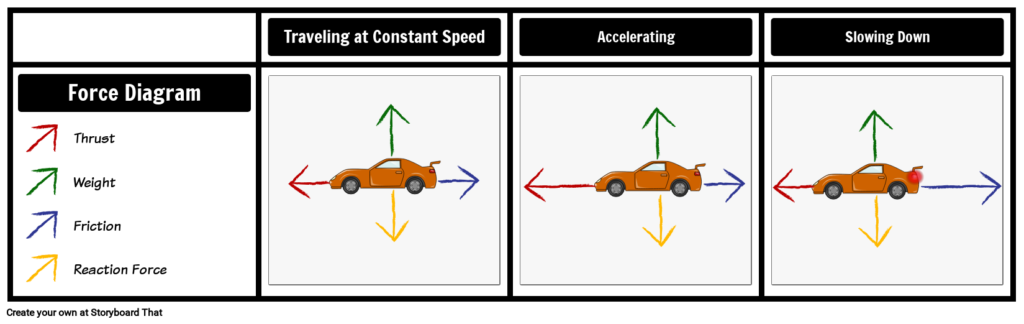
- There is no acceleration because velocity does not change.
These characteristics help students differentiate uniform motion from other types of movement.
Formula Related to Uniform Motion
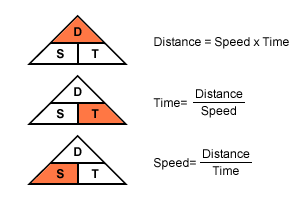
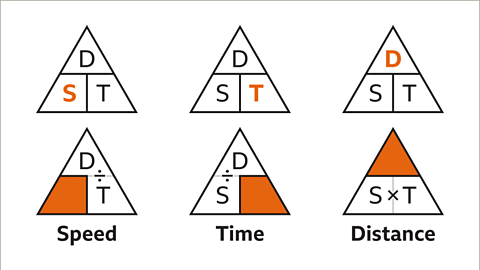
In uniform motion, the relationship between distance, speed, and time remains simple. Students often use the formula:
Distance = Speed × Time
Since speed remains constant, calculations become easier. For example, if a cyclist travels at 5 m/s for 10 seconds, the total distance covered equals 50 meters.
Understanding this formula helps learners solve problems quickly and accurately.
Uniform Motion vs Non-Uniform Motion

Many beginners confuse uniform motion with non-uniform motion. However, there is a clear difference:
- Uniform motion occurs when speed stays constant.
- Non-uniform motion occurs when speed or direction changes.
A car moving steadily on an empty highway is an example of uniform motion, while a car slowing down near traffic signals shows non-uniform motion.
Graphical Representation of Uniform Motion
Uniform motion can be represented using a distance-time graph. In such graphs:
- A straight line with constant slope indicates uniform motion.
- The steeper the line, the faster the object moves.
Graphs help students visualise steady movement and understand how distance changes over time without complicated calculations.
Real-Life Examples of Uniform Motion
Uniform motion appears in many everyday situations:
- A conveyor belt moving at constant speed
- A satellite orbiting Earth at steady velocity
- A person walking at a steady pace along a straight path
These examples help students connect theoretical concepts with real-world experiences.
Importance of Uniform Motion in Physics
Understanding uniform motion in physics builds a strong foundation for studying speed, velocity, and acceleration. It also helps learners analyse more complex motion patterns by comparing steady movement with changing motion.
Engineers and scientists use uniform motion concepts while designing machines, studying transportation systems, and analysing movement in space.
Common Mistakes Students Make
While learning uniform motion, beginners often:
- Assume all straight-line motion is uniform
- Ignore direction when discussing velocity
- Confuse constant speed with constant acceleration
Avoiding these mistakes improves conceptual clarity and problem-solving skills.
Conclusion
Uniform motion in physics describes steady movement where an object travels equal distances in equal time intervals. By understanding formulas, graphs, and real-life examples, students develop a clear understanding of simple motion patterns. Mastering uniform motion makes it easier to study non-uniform motion and acceleration in later lessons.
FAQs About Uniform Motion in Physics
1. What is uniform motion in physics?
Uniform motion occurs when an object moves with constant speed and covers equal distances in equal time intervals.
2. Is acceleration present in uniform motion?
No, acceleration is zero when velocity remains constant.
3. How is uniform motion shown on a graph?
A straight-line distance-time graph represents uniform motion.
4. Why is uniform motion important?
It helps students understand basic motion before learning more complex concepts.
🌐 Connect With Us
👉 Informosio Official – General updates, current affairs, and informative content
👉 Continue your physics journey with our expert guides — visit our official website to explore more motion topics and student-friendly lessons.