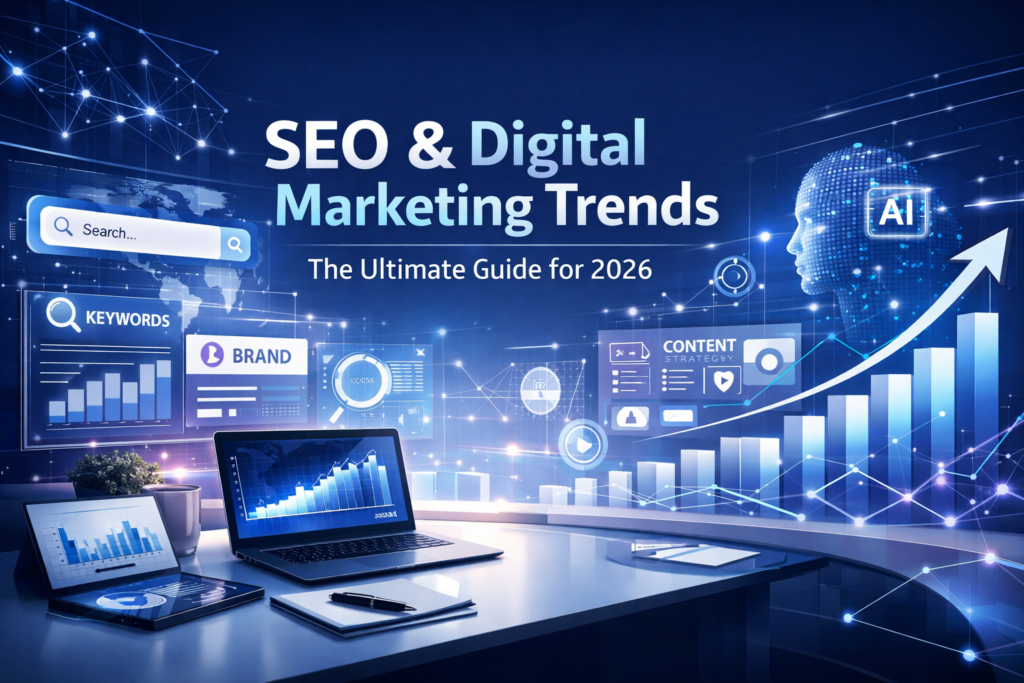
The digital landscape is evolving faster than ever, and SEO & Digital Marketing Trends are no longer optional knowledge for brands, marketers, or entrepreneurs. As we move into 2026, search engines are becoming more intelligent, user behavior is shifting rapidly, and artificial intelligence is redefining how content is created, ranked, and consumed.
To stay competitive, businesses must understand not only how SEO works today but how it will work tomorrow. This long-form guide explores the most impactful SEO & Digital Marketing Trends, covering advanced SEO tactics for 2026, the growing role of AI in search rankings and content creation, and the rise of branded search strategies in a multi-platform search ecosystem.
This article is designed to help marketers, business owners, and digital strategists future-proof their online visibility and content strategy.
Why SEO & Digital Marketing Trends Matter in 2026
Search is no longer limited to traditional search engines. Users now discover brands through AI assistants, social platforms, voice search, and personalized recommendation engines. As a result, SEO & Digital Marketing Trends are increasingly interconnected with branding, content experience, and user trust.
Ignoring these trends can lead to declining organic visibility, reduced conversions, and loss of brand authority. Understanding them, on the other hand, creates opportunities for sustainable growth and long-term digital success.
SEO Tactics for 2026: What’s Changing and Why
Search Engines Are Prioritizing Intent Over Keywords
In 2026, search engines focus more on understanding user intent rather than matching exact keywords. This means SEO strategies must go beyond keyword placement and address real user problems.
Key shifts include:
- Semantic search understanding
- Context-based query interpretation
- Personalized search results
Successful SEO now requires content that answers why, how, and what next, not just what.
Topical Authority Is Replacing Traditional Keyword Targeting
Instead of ranking single pages for isolated keywords, search engines reward websites that demonstrate authority across entire topics.
To build topical authority:
- Create content clusters around core subjects
- Interlink related articles strategically
- Cover beginner to advanced content levels
This approach strengthens relevance and improves long-term rankings within SEO & Digital Marketing Trends.
User Experience Signals Are Critical Ranking Factors
Search engines increasingly use behavioral data to assess content quality. Metrics like engagement time, scroll depth, and interaction patterns influence rankings more than ever.
Important UX factors include:
- Fast-loading pages
- Mobile-first design
- Clear navigation and content structure
- Readable formatting with short paragraphs
SEO in 2026 is as much about experience as it is about optimization.
Zero-Click Searches and Featured Results Dominate SERPs
More searches end without a click due to featured snippets, AI summaries, and instant answers. SEO strategies must adapt to win visibility even without traffic.
Optimization tactics include:
- Structuring content for featured snippets
- Using concise definitions and lists
- Targeting question-based queries
Visibility is now about brand presence, not just website visits.
AI’s Impact on Search Ranking and Content Creation
AI Is Reshaping How Search Engines Rank Content
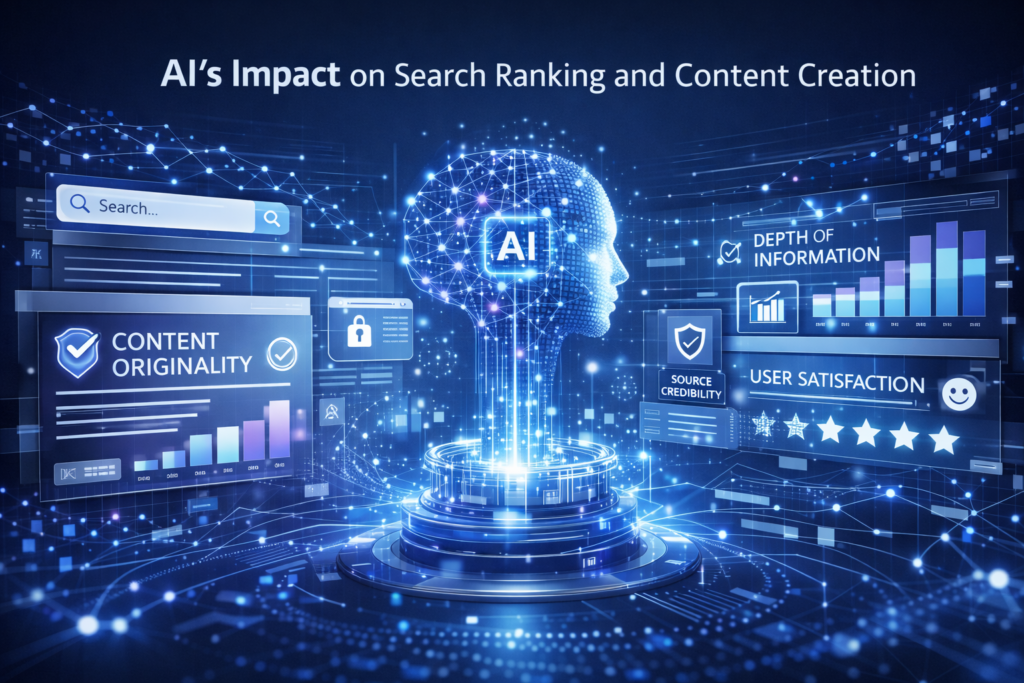
Artificial intelligence powers modern search algorithms. AI systems analyze content quality, relevance, and trust signals at scale.
AI-driven ranking systems evaluate:
- Content originality
- Depth of information
- Source credibility
- User satisfaction signals
Thin, repetitive content struggles to compete in this environment.
AI-Generated Content: Opportunity and Risk
AI tools have transformed content creation, allowing faster production and scalable workflows. However, search engines now differentiate between helpful AI-assisted content and low-value automated text.
Best practices for AI-assisted content:
- Use AI for research and outlining
- Add human expertise and insights
- Edit for clarity, tone, and originality
- Ensure factual accuracy
AI should enhance human creativity, not replace it.
Human Experience Signals Matter More Than Ever
Search engines increasingly look for evidence that content reflects real experience, expertise, and trustworthiness.
Signals that improve rankings:
- First-hand insights
- Case studies and examples
- Author expertise indicators
- Transparent sourcing
In the context of SEO & Digital Marketing Trends, experience-driven content performs significantly better than generic articles.
AI Search Assistants Are Changing Discovery Paths
Users are now searching through AI chat interfaces and digital assistants rather than traditional result pages.
To optimize for AI-driven discovery:
- Use clear, conversational language
- Answer specific questions directly
- Structure content logically
- Maintain consistent brand messaging
Content must be accessible to both humans and machines.
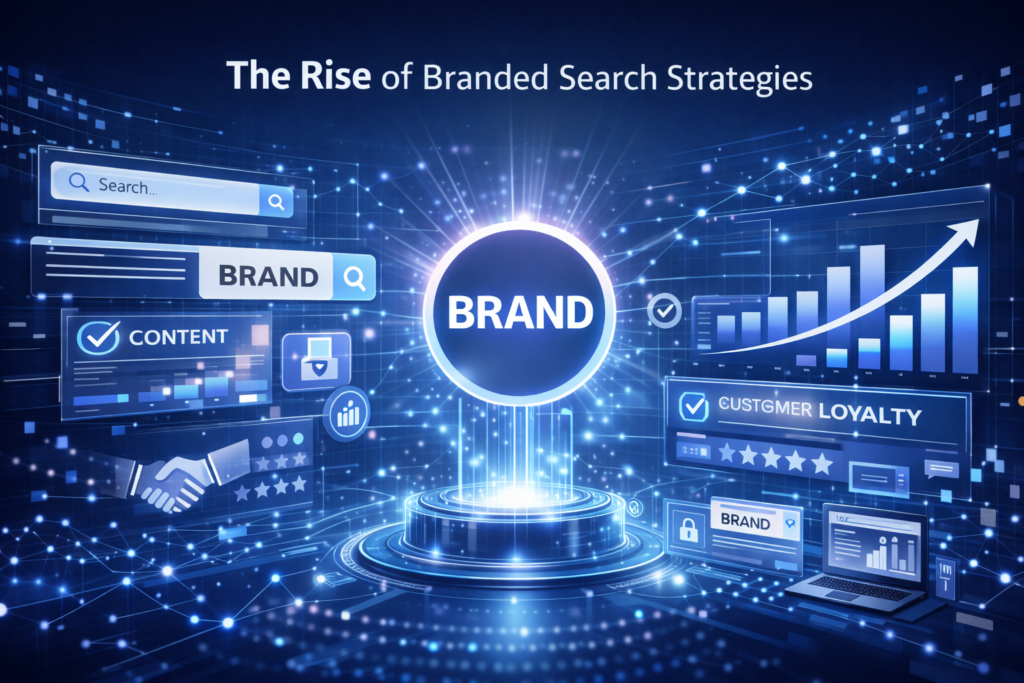
The Rise of Branded Search Strategies
Why Branded Searches Are More Valuable Than Ever
Branded search queries indicate high user intent and trust. Users searching for a brand name are closer to conversion and less price-sensitive.
Benefits of branded search strategies:
- Higher click-through rates
- Better conversion performance
- Stronger customer loyalty
- Reduced dependency on paid ads
In modern SEO & Digital Marketing Trends, brand strength directly influences organic success.
Search Engines Reward Brand Authority
Brands with strong digital signals tend to rank higher across competitive keywords.
Brand authority signals include:
- Mentions across trusted websites
- Consistent brand searches
- Social and community engagement
- Positive user sentiment
SEO is no longer isolated from branding; they work together.
Multi-Platform Search Is the New Reality
Search now happens across multiple platforms:
- Traditional search engines
- Social media platforms
- Video platforms
- AI-powered tools
To succeed, brands must ensure consistent visibility across all discovery channels.
Building a Brand-First Content Strategy
A brand-first approach focuses on recognition, trust, and memorability rather than chasing every keyword.
Key components:
- Consistent tone and messaging
- Thought leadership content
- Educational resources
- Strong brand narratives
This strategy strengthens long-term performance within SEO & Digital Marketing Trends.
Content Strategy Evolution in 2026
Depth Over Volume
Publishing fewer, higher-quality articles outperforms mass content production.
High-performing content is:
- In-depth and comprehensive
- Well-structured
- Updated regularly
- Aligned with user intent
Search engines reward substance, not quantity.
Content Refreshing Is a Core SEO Activity
Refreshing existing content often delivers better results than publishing new pages.
Content refresh strategies include:
- Updating statistics and examples
- Improving structure and readability
- Expanding outdated sections
- Aligning with current search intent
This approach keeps content competitive over time.
Visual and Interactive Content Is Rising
Text alone is no longer enough. Users engage more with interactive and visual formats.
Effective formats include:
- Infographics
- Embedded videos
- Interactive tools
- Data visualizations
These formats improve engagement and support SEO performance.
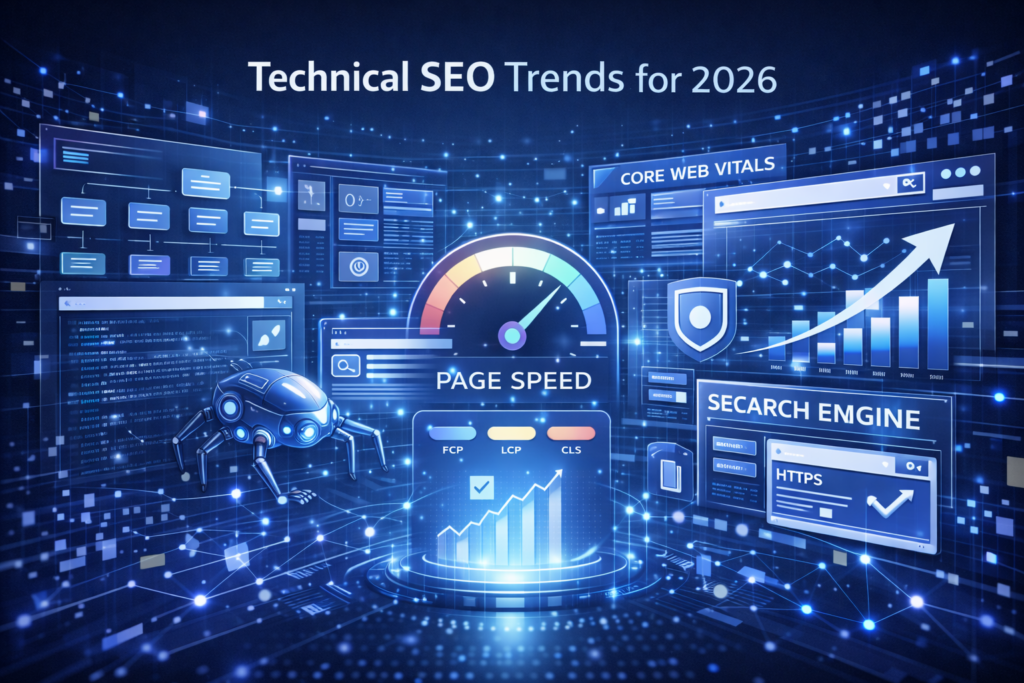
Technical SEO Trends for 2026
Search Engine Accessibility Is Mandatory
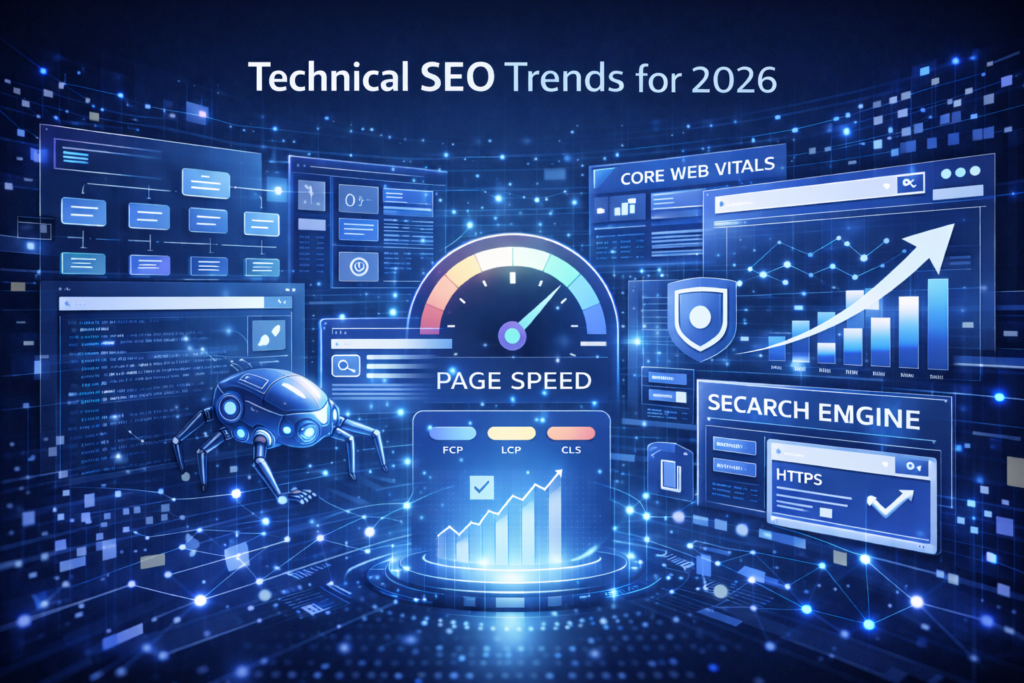
Search engines favor websites that are technically accessible and easy to crawl.
Key technical priorities:
- Clean site architecture
- Proper internal linking
- Structured data implementation
- Secure and stable hosting
Technical SEO underpins all successful SEO & Digital Marketing Trends strategies.
Core Web Performance Signals Continue to Matter
Performance metrics remain essential ranking factors.
Optimization areas include:
- Page speed
- Visual stability
- Mobile responsiveness
- Server reliability
Fast, stable websites consistently outperform slower competitors.
Data Privacy and Ethical SEO
With increasing regulations and privacy awareness, ethical SEO practices are critical.
Best practices include:
- Transparent data usage
- Respect for user privacy
- Secure data handling
- Honest marketing communication
Trust is becoming a measurable ranking advantage.
How Businesses Should Prepare for SEO in 2026
Skills and Knowledge Required
Modern SEO professionals must understand:
- AI-driven search behavior
- Content strategy and UX
- Brand positioning
- Data interpretation
SEO is now a multidisciplinary skill set.
SEO and Digital Marketing Alignment
SEO can no longer operate in isolation. It must align with:
- Content marketing
- Social media strategy
- Branding initiatives
- Conversion optimization
Integrated strategies drive sustainable growth.
Long-Term Thinking Over Short-Term Gains
Quick wins and manipulative tactics are increasingly ineffective.
Successful brands focus on:
- Consistency
- Authority building
- Value-driven content
- Audience trust
This mindset defines modern SEO & Digital Marketing Trends.
Future Outlook: Where SEO & Digital Marketing Trends Are Heading
Looking beyond 2026, SEO will continue to evolve toward personalization, intelligence, and user-centric design. Search engines aim to deliver the most helpful answers, not just the most optimized pages.
Brands that prioritize authenticity, expertise, and user experience will dominate search visibility in the years ahead.
Conclusion: Mastering SEO & Digital Marketing Trends for Long-Term Success
The future of search is intelligent, user-focused, and brand-driven. Understanding and adapting to SEO & Digital Marketing Trends in 2026 is no longer optional for businesses that want sustainable digital growth.
From AI-powered ranking systems to branded search strategies and experience-driven content, success depends on depth, authenticity, and strategic alignment. Businesses that invest in quality content, technical excellence, and strong brand signals will not only survive but thrive in the evolving digital ecosystem.
Staying ahead of these trends ensures visibility, credibility, and long-term success in the competitive world of digital marketing.
Frequently Asked Questions (FAQs)
1. What are the most important SEO & Digital Marketing Trends for 2026?
The most important trends include AI-driven search ranking, branded search strategies, topical authority, user experience optimization, and multi-platform search visibility.
2. How does AI affect SEO rankings?
AI analyzes content quality, relevance, user behavior, and trust signals, making thin or low-value content less competitive.
3. Is AI-generated content bad for SEO?
AI-generated content is not bad if it is helpful, original, edited by humans, and aligned with user intent.
4. Why are branded searches important for SEO?
Branded searches signal trust and authority, leading to higher rankings, better click-through rates, and stronger conversions.
5. Will keywords still matter in 2026?
Keywords still matter, but intent, context, and topic coverage are more important than exact keyword matches.
6. How often should content be updated for SEO?
High-value content should be reviewed and updated regularly, especially when search intent or industry information changes.
7. What is the biggest SEO mistake businesses make today?
Focusing on short-term tactics instead of building authority, trust, and long-term content value.