
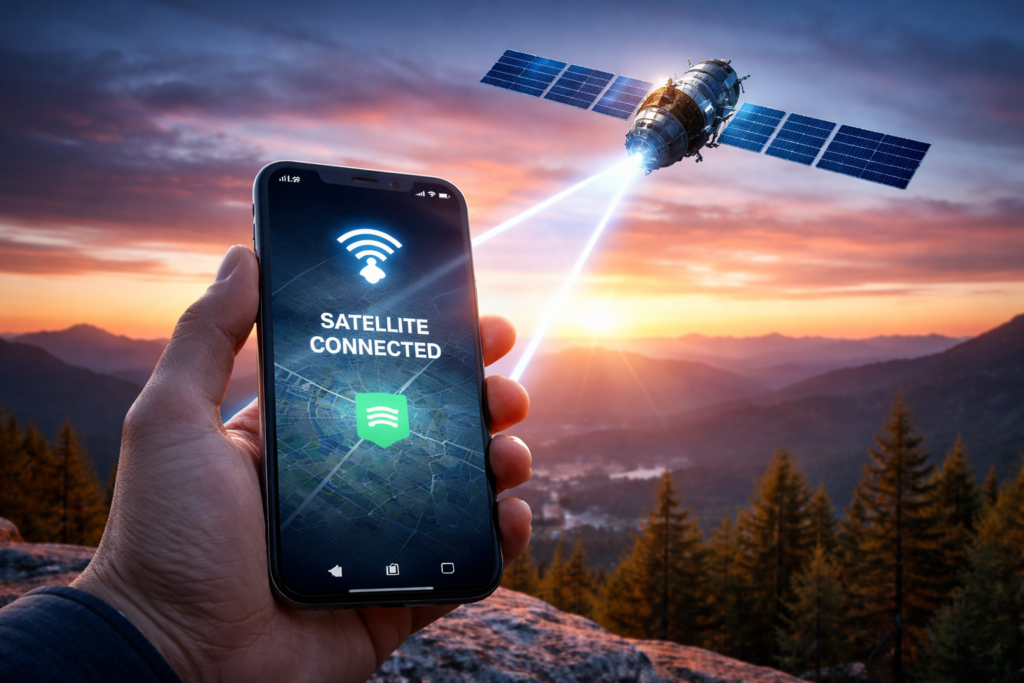
Satellite connectivity in smartphones is transforming the way people stay connected beyond traditional networks. As mobile technology evolves, devices are gaining the ability to send emergency messages, share locations, and maintain communication through satellites — even in remote areas without signal coverage. This innovation is not just a premium feature; it represents a major shift toward global, always-on connectivity, reshaping how users think about safety, travel, and digital communication in the modern era.
🛰️ What Is Satellite Connectivity in Smartphones?
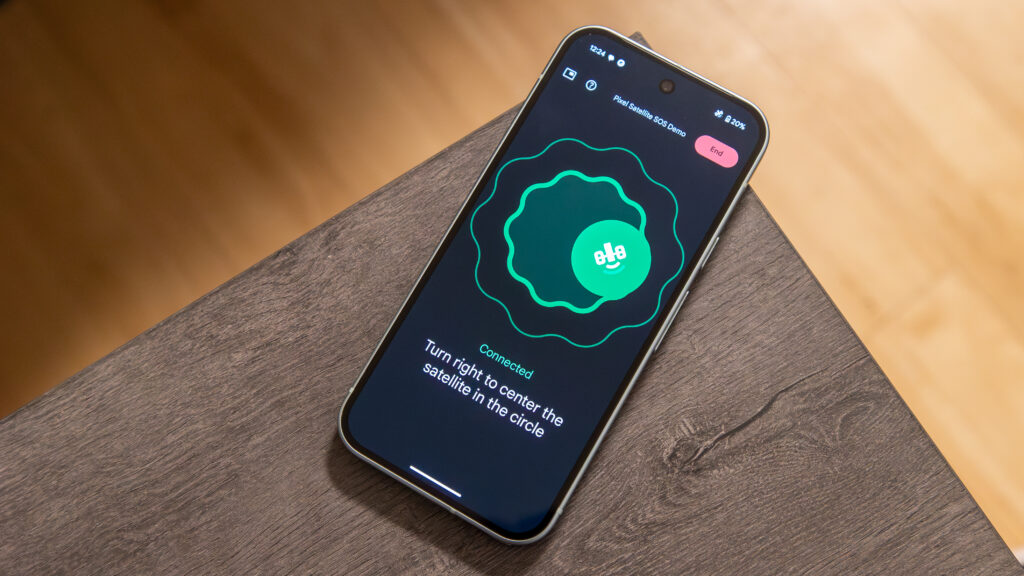
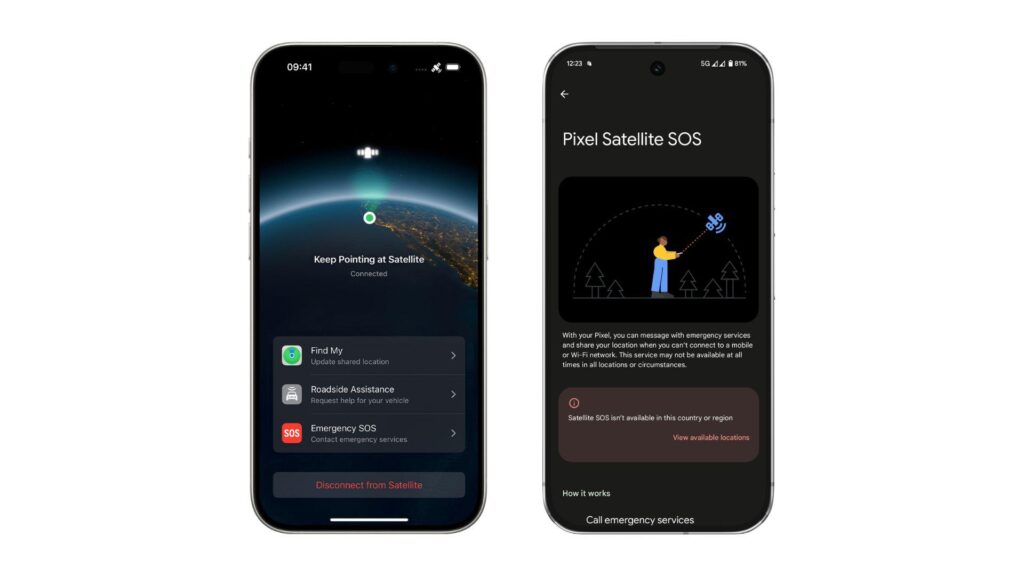
Satellite connectivity in smartphones allows devices to send messages or emergency signals directly through satellites instead of traditional mobile towers. This technology is designed for situations where cellular networks are unavailable — such as remote travel, natural disasters, or rural locations.
Unlike regular mobile data, satellite features focus mainly on emergency texting, location sharing, and limited communication, making smartphones more reliable in extreme conditions.
🌍 Why Satellite Features Are Becoming a Big Trend
The smartphone industry is moving toward global connectivity — meaning your phone works almost anywhere on Earth. As travel, adventure tourism, and remote work increase, users expect devices to stay connected even without signal bars.
Key Reasons for Growth
- Rising demand for safety features during outdoor travel
- Expansion of low-earth-orbit satellite networks
- AI integration improving signal optimization
- Competition among smartphone brands to add premium features
For many users, satellite support is becoming as important as battery life or camera quality.
📱 How Satellite Connectivity Actually Works
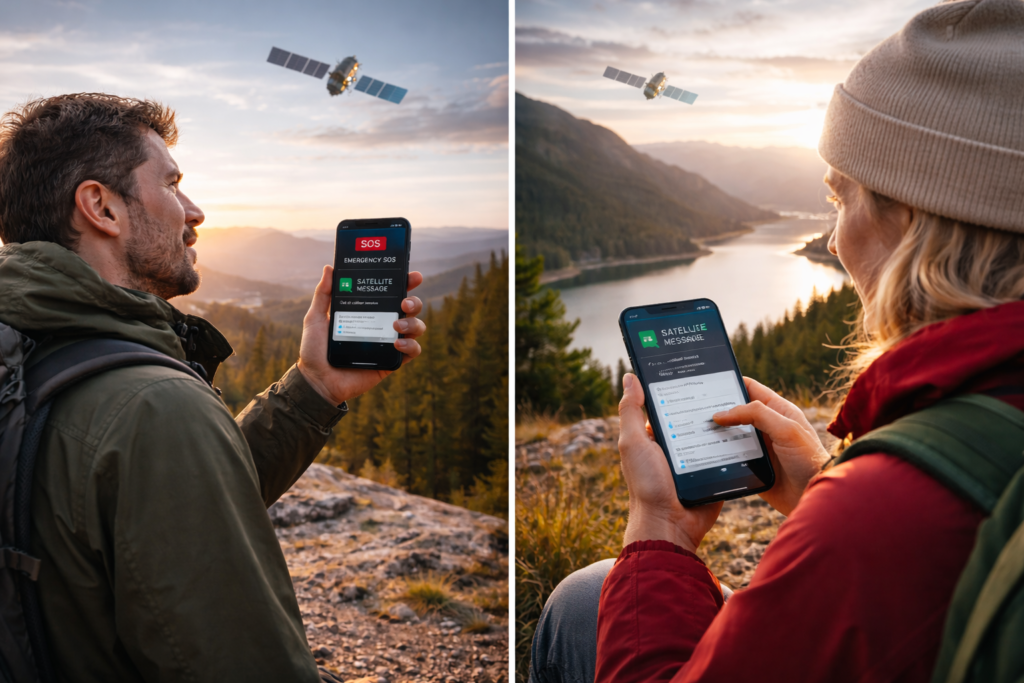
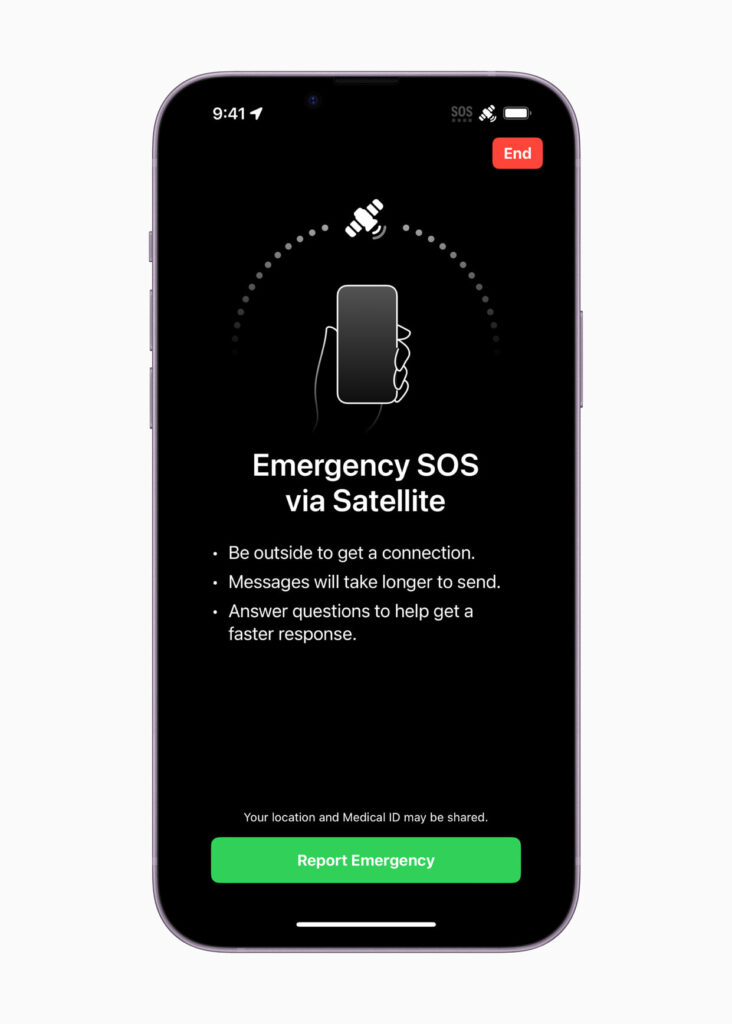
Satellite-enabled smartphones communicate with orbiting satellites using specialized antennas and software. When a cellular network isn’t available, the device automatically switches to satellite mode.
Typical Process
- The user points the phone toward the sky.
- The phone connects to a nearby satellite.
- Messages or emergency signals are transmitted to ground stations.
- The information reaches emergency services or contacts.
Because satellites move quickly across the sky, communication may take slightly longer than standard texting.
🚀 Benefits of Satellite Connectivity in Smartphones
✅ Emergency Safety
Users can send SOS messages even in remote mountains or oceans.
✅ Global Coverage
Satellite signals reach areas where mobile towers cannot — deserts, forests, and rural regions.
✅ Travel & Adventure Use
Perfect for trekkers, photographers, and explorers who often lose signal.
✅ Future Potential
Experts expect satellite internet speeds to improve, eventually enabling basic apps and live updates.
⚠️ Current Limitations You Should Know
While the technology sounds revolutionary, it still has challenges:
- Limited messaging features — mostly text-based for now
- Weather and environment factors can affect signal strength
- Battery usage may increase during satellite mode
- Availability depends on region and supported devices
This means satellite connectivity is currently more of a backup communication tool rather than a full replacement for mobile networks.
🔮 What the Future Looks Like
Industry trends suggest that satellite connectivity in smartphones will evolve rapidly over the next few years:
- AI-assisted signal alignment for faster connections
- Integration with smart glasses and wearable tech
- Expansion into voice calling and lightweight data services
- Increased adoption in emerging markets with limited infrastructure
As networks grow, smartphones may become truly borderless communication devices — capable of staying connected almost anywhere.
📊 Final Thoughts
Satellite connectivity in smartphones represents one of the most important shifts in mobile technology. While it’s still developing, the ability to send messages without traditional networks signals a future where connectivity is universal, reliable, and independent of geography.
For users who travel frequently or value safety features, satellite-enabled smartphones are quickly becoming a powerful addition to modern mobile technology.
❓ FAQs — Satellite Connectivity in Smartphones
1️⃣ What is satellite connectivity in smartphones?
Satellite connectivity in smartphones allows devices to send messages or emergency signals directly through orbiting satellites when cellular networks are unavailable.
2️⃣ Do all smartphones support satellite communication?
No, only certain newer smartphones include satellite connectivity features, and support depends on the device model and region.
3️⃣ Can you make calls using satellite connectivity in smartphones?
Currently, most satellite connectivity in smartphones focuses on emergency messaging and text-based communication rather than full voice calls.
4️⃣ Is satellite messaging slower than normal texting?
Yes, satellite communication may take slightly longer because satellites move quickly and require a clear sky connection.
5️⃣ When should you use satellite connectivity in smartphones?
It’s mainly designed for remote travel, hiking, emergencies, or situations where mobile network coverage is unavailable.
6️⃣ Does satellite connectivity work everywhere?
Coverage is expanding, but availability depends on satellite networks, location, and weather conditions.
🌐 Connect With Us
Informosio Tech – Science & Technology news, AI trends, gadgets, and innovations
For more expert insights on emerging technology, explore our latest coverage Gadgets & Reviews as we continue tracking the evolution of smart devices shaping the future.