At Informosio, we focus on the stories that don’t just inform—but directly affect how people live.
After covering major global shifts in energy and policy, a new development closer to home is now making waves. The introduction of the PNG gas rule 2026 signals a significant transition in India’s fuel system—one that could change how households cook and manage their daily needs.
This isn’t just another update. It’s a shift already beginning to take shape.
A Silent Change That Could Hit Your Kitchen
It doesn’t feel dramatic—no protests, no loud announcements.
But something quietly shifted this week that could reach straight into your daily life.
Across India, a new rule is beginning to take effect. And if your home already has access to piped gas, your familiar LPG cylinder might soon disappear. This is where the PNG gas rule 2026 comes in—and why it’s suddenly dominating search trends.
The Rule That Changes Everything
At its core, the policy is simple but powerful.
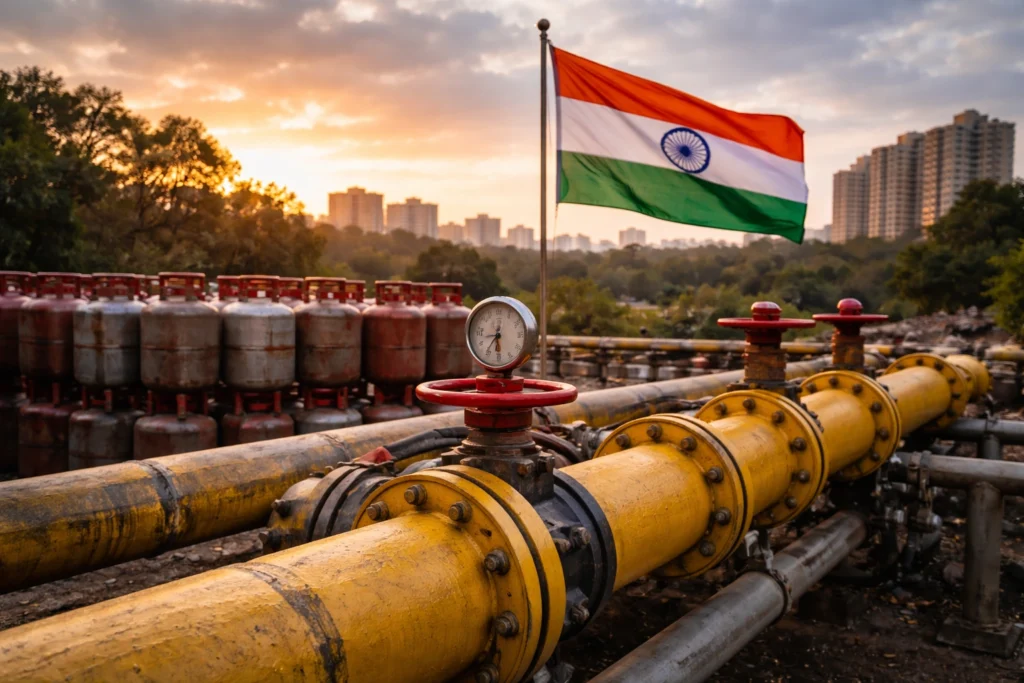
Wherever piped natural gas (PNG) infrastructure already exists, households are now expected to move to it. LPG, once the default cooking fuel, is no longer meant to coexist as a backup in these areas. Officials have made it clear: this isn’t optional in the long run.
There will be a transition window. But once that closes, LPG supply could be withdrawn for those who choose not to switch. The PNG gas rule 2026 is not just a technical update—it’s a direct intervention into how urban India consumes energy.
Why Now? The Timing Tells a Bigger Story
This move didn’t happen in isolation. Behind the scenes, global energy pressures are building. Supply chains have become fragile. Import dependence is increasingly risky. And LPG—still heavily reliant on external sources—has started to feel like a vulnerability.
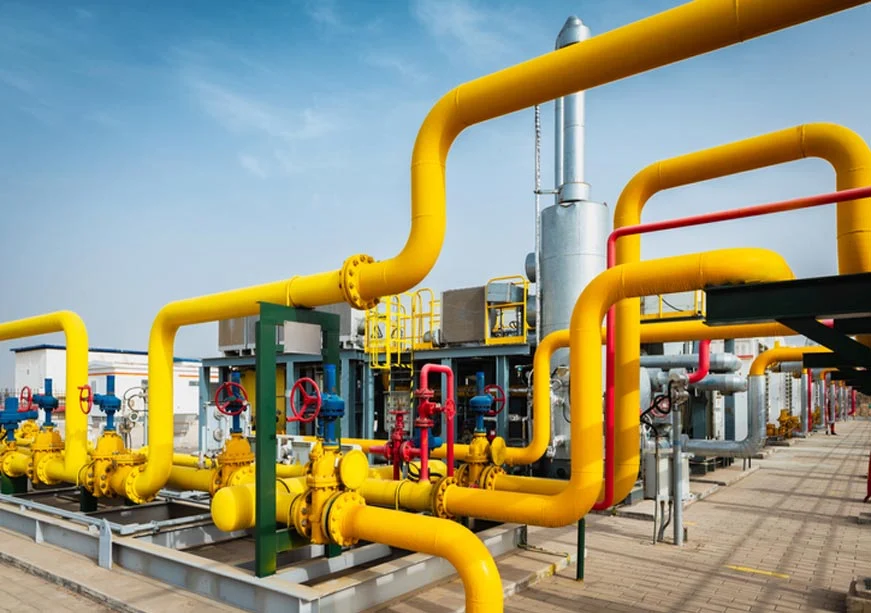
PNG, on the other hand, offers stability. Pipelines don’t need booking. They don’t rely on delivery trucks. And most importantly, they reduce pressure on already stretched LPG reserves. So when the government pushes the PNG gas rule 2026, it’s not just about convenience—it’s about control, efficiency, and long-term strategy.
Who Feels the Impact First
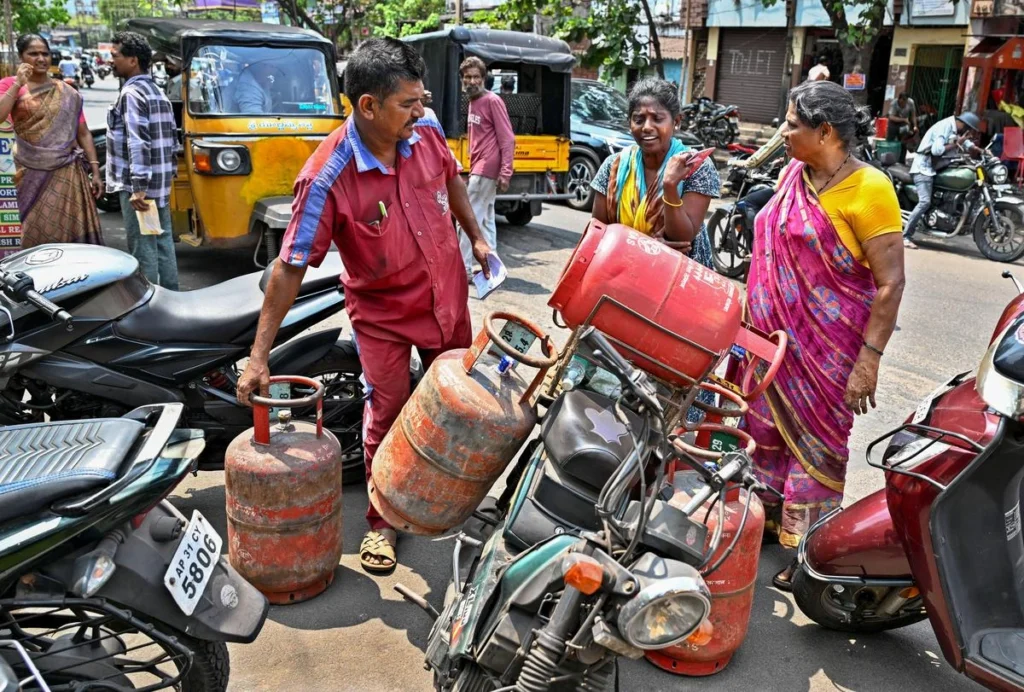
The change won’t hit everyone equally. For now, it’s concentrated in cities—places where pipelines already run beneath streets and into residential societies. If your area has PNG access, you are already inside the policy’s scope, whether you’ve acted on it or not.
And that’s what makes this moment uneasy. Because for many households, LPG was never just fuel. It was backup. Reliability. A safety net when systems fail.
The PNG gas rule 2026 quietly removes that second option.
The Growing Unease Among Households
On paper, the shift sounds efficient. In reality, it raises questions people aren’t comfortable ignoring.
What happens if pipeline supply gets interrupted?
What if maintenance shuts it down temporarily?
What replaces the certainty of having a cylinder in reserve?
These concerns are exactly why this story is trending so sharply. The PNG gas rule 2026 isn’t just policy—it’s personal. It touches routine, comfort, and control inside every kitchen.
A Bigger Shift Beyond Just One Rule
Step back, and the picture becomes clearer. India is moving—deliberately—toward a pipeline-based energy future. This aligns with global trends where countries are trying to reduce dependence on transport-heavy fuel systems and move toward continuous supply networks.
In that context, the PNG gas rule 2026 feels less like a sudden disruption and more like an early signal of what’s coming next. Today it’s LPG. Tomorrow, it could be broader changes in how energy is delivered, priced, and controlled.
What This Means for You Right Now
If PNG is already available in your locality, this is no longer a distant update. It’s something that may soon demand a decision.
Ignore it, and you may eventually lose LPG access. Accept it, and you step into a system that promises convenience—but removes fallback options. That’s the trade-off embedded inside the PNG gas rule 2026.
A Small Rule with Big Consequences
Some changes arrive loudly. Others slip in quietly and reshape everything over time.
This is the second kind.
The PNG gas rule 2026 may not look dramatic today, but its impact will unfold slowly—kitchen by kitchen, city by city. And by the time it feels big, it may already be too late to ignore.
👉 Because this isn’t just about gas.
It’s about how everyday life is being redesigned—one policy at a time.
🌐 Connect With Us
👉 Informosio Tech – Science & Technology news, AI trends, gadgets, and innovations
👉 Explore our latest daily insights for worldwide trend updates.