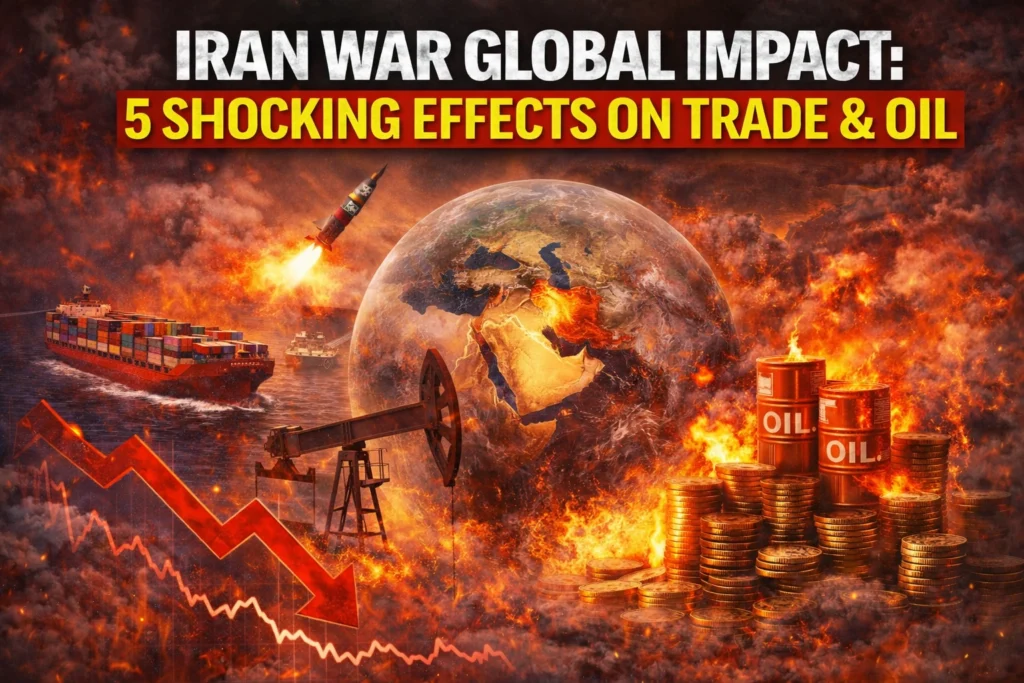
As tensions continue to unfold in the Middle East, the consequences are spreading far beyond the battlefield. The Iran war global impact is now being felt across international trade routes, energy markets, and supply chains, raising serious concerns about global economic stability.
What began as a regional conflict is rapidly evolving into a worldwide issue, affecting industries, governments, and everyday consumers. At Informosio, we break down how this crisis is disrupting the global system—and why its effects could intensify in the coming days.
Oil Markets on Edge
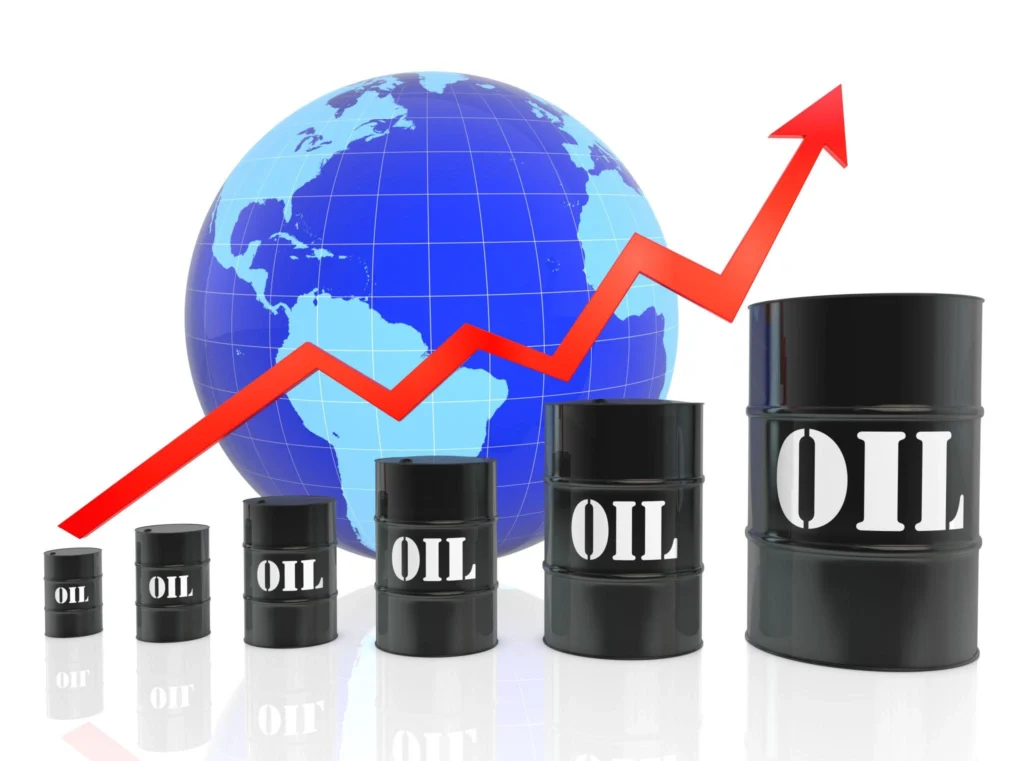
One of the most immediate effects of the Iran war global impact is the growing instability in oil markets. The Middle East remains a critical hub for global energy supply, and any disruption in this region can send shockwaves through international markets. Even the possibility of conflict near key transit routes has already created uncertainty, with oil prices showing signs of volatility. Traders and policymakers are closely monitoring the situation, aware that further escalation could trigger sharp increases in energy costs worldwide.
This uncertainty is not just about numbers—it directly affects economies that rely heavily on imported oil.
Shipping Routes Under Threat
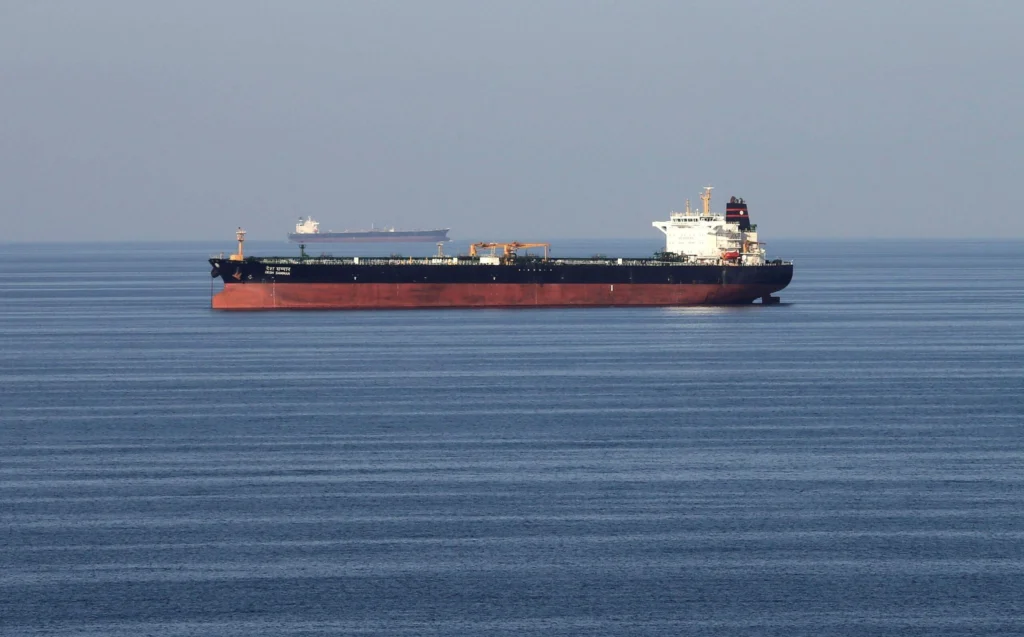
Another major aspect of the Iran war global impact is the risk to global shipping routes. The Strait of Hormuz, one of the world’s most important maritime passages, plays a crucial role in transporting oil and goods. Any disruption in this narrow waterway can delay shipments, increase transportation costs, and create bottlenecks in supply chains. Shipping companies are already evaluating risks and adjusting routes, which can further add to delays and expenses.
This situation highlights how a single geopolitical hotspot can influence global trade flows.
Supply Chains Begin to Struggle
The Iran war global impact is also becoming visible in supply chains, which are already under pressure from previous global disruptions. Increased shipping costs and delays can affect the availability of goods, from essential commodities to industrial materials.
Businesses may face higher operational costs, which can eventually be passed on to consumers. This chain reaction underscores how interconnected global systems have become, where disruptions in one region can ripple across the entire world.
Global Trade Faces Uncertainty
The broader Iran war global impact is creating uncertainty in international trade. Countries that depend on stable trade routes are now facing unpredictable conditions, making planning and forecasting more difficult. This uncertainty can slow down economic activity, as businesses adopt a cautious approach to investments and expansion.
In such an environment, even small disruptions can have amplified effects.
Economic Pressure on Nations
The economic consequences of the Iran war global impact extend to national economies. Rising energy costs, disrupted trade, and market volatility can strain government resources and fiscal planning. Developing economies may be particularly vulnerable, as they have fewer resources to absorb shocks. Meanwhile, developed nations must balance economic stability with geopolitical considerations.
This makes the situation complex and challenging for policymakers worldwide.
Expert Insights
Experts describe the Iran war global impact as a “multi-layered crisis” affecting multiple sectors simultaneously. According to analysts, the combination of energy disruption, trade instability, and geopolitical tension creates a scenario that requires careful management.
Some experts believe that diversification of supply chains and energy sources may help reduce risks in the long term. However, in the short term, uncertainty remains the dominant factor.
⚠️ What Happens If the Conflict Escalates
If tensions escalate further, the Iran war global impact could intensify significantly. Oil prices may surge, shipping routes could face greater disruptions, and supply chains might experience severe delays. Such developments could lead to higher inflation, reduced economic growth, and increased global instability.
This is why the situation is being closely watched by governments and industries alike.
What Comes Next
The future of the Iran war global impact depends on how the situation evolves in the coming days. Diplomatic efforts, strategic decisions, and global cooperation will play crucial roles in determining the outcome. While there is still a chance to stabilize the situation, the risks remain high.
For now, the world is navigating a period of uncertainty that could shape economic trends for months to come.
Global Outlook
The Iran war global impact serves as a powerful reminder of how interconnected the modern world has become. A conflict in one region can disrupt systems across continents, affecting economies, industries, and daily life.
At Informosio, we believe understanding these connections is essential in navigating today’s complex global landscape.
FAQs
1. What is the Iran war global impact?
The Iran war global impact refers to how the conflict affects trade, oil, and global economies.
2. Why are oil prices affected?
The Iran war global impact disrupts supply routes, causing price volatility.
3. How does this affect global trade?
Shipping disruptions are a key part of the Iran war global impact.
4. Could supply chains collapse?
Severe escalation in the Iran war global impact could cause major disruptions.
5. What should countries do?
Diversification and planning are key responses to the Iran war global impact.
🔗 Explore More on Informosio
Stay updated with the latest developments across global affairs, India, technology, and trending insights.
👉 Global News – Breaking world news, geopolitics, and international updates
👉 India News – Latest national updates, economy, policy, and breaking stories
👉 Informosio Tech – AI, innovation, and future technologies
👉 Daily Insights – Global trends and in-depth analysis