
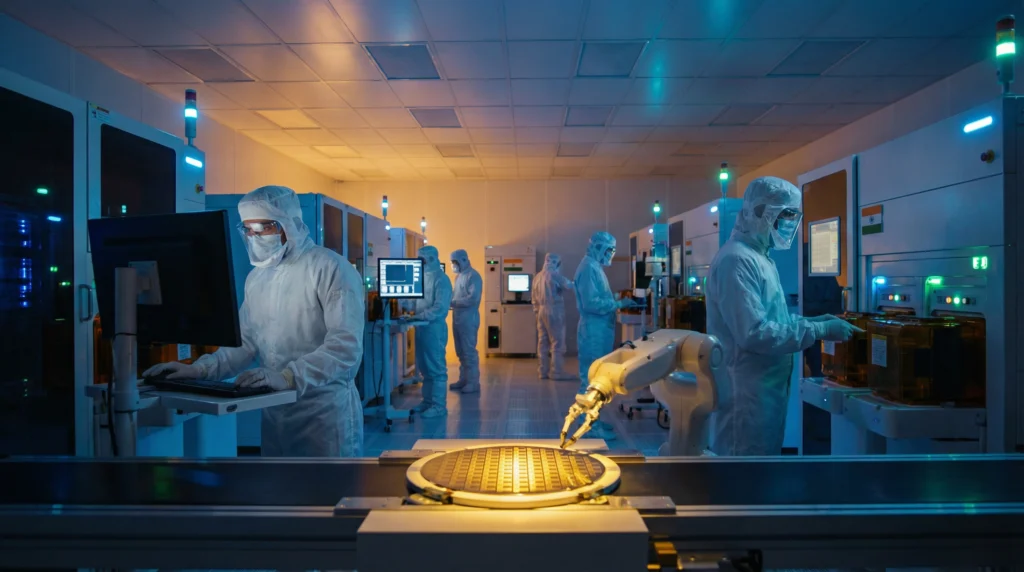
India is preparing for one of its most ambitious technology investments ever. The government is moving forward with Semiconductor Mission 2.0, a massive ₹1.2 lakh crore initiative aimed at transforming the country into a global chip manufacturing hub. At a time when semiconductors power everything from smartphones to defense systems, this decision could redefine India’s position in the global technology race.
The move comes after years of heavy reliance on imports and growing geopolitical tensions affecting chip supply chains. Now, the question is clear: can India finally break into the elite league of semiconductor-producing nations?
At Informosio, we simplify complex technology shifts into clear, actionable insights so you can understand what’s driving India’s semiconductor push, why the ₹1.2 lakh crore Semiconductor Mission matters, and how it could impact the country’s economic future.
What is Semiconductor Mission 2.0
The Semiconductor Mission is a government-backed program designed to build a complete semiconductor ecosystem in India. While the first phase focused on attracting initial investments and setting up fabrication units, the second phase goes much deeper.
Semiconductor Mission 2.0 aims to expand manufacturing capabilities, support advanced chip design, and create a long-term supply chain that reduces dependency on countries like China and Taiwan. The approved ₹1.2 lakh crore funding signals strong intent, but execution will determine its success.
Why This ₹1.2 Lakh Crore Push Matters
India currently imports a majority of its semiconductor needs, making it vulnerable to global disruptions. During the pandemic, chip shortages impacted industries from automobiles to consumer electronics.
This is where the Semiconductor Mission becomes crucial. It is not just about manufacturing chips but about securing economic and strategic independence. With digital infrastructure growing rapidly, the demand for semiconductors in India is expected to multiply in the coming years.
This investment also aligns with India’s broader vision of becoming a global manufacturing hub under initiatives like Make in India.
7 Big Impacts of Semiconductor Mission 2.0
1. Reduced Import Dependency
India spends billions importing semiconductors annually. Semiconductor Mission can significantly cut this dependency by enabling domestic production.
2. Boost to Electronics Manufacturing
With local chip availability, industries like smartphones, laptops, and electric vehicles will see faster growth and lower costs.
3. Job Creation at Scale
Semiconductor manufacturing is labor-intensive and high-skill oriented. This mission could create thousands of direct and indirect jobs across engineering, research, and manufacturing sectors.
4. Strengthening National Security
Semiconductors are critical for defense technologies. A strong Semiconductor Mission reduces reliance on foreign supply chains, improving strategic security.
5. Attracting Global Investments
Big global players are already showing interest in India’s semiconductor space. With strong government backing, the country could attract billions in foreign direct investment.
6. Rise of India’s Design Ecosystem
India already has a strong chip design talent base. Semiconductor Mission 2.0 can help convert design strength into manufacturing leadership.
7. Long-Term Economic Growth
Semiconductors are the backbone of modern economies. This mission has the potential to add significant value to India’s GDP over the next decade.
Challenges That Cannot Be Ignored
While the opportunity is massive, the road ahead is far from easy. Semiconductor manufacturing requires huge capital, advanced technology, and years of expertise.
One of the biggest challenges for Semiconductor Mission is infrastructure. Chip fabrication plants require stable electricity, ultra-clean environments, and uninterrupted water supply. Any gap here can derail production.
Another issue is global competition. Countries like the United States, South Korea, and Taiwan already dominate the semiconductor industry. India will need aggressive policies and consistent execution to compete.
There is also the question of timelines. Semiconductor projects take years to become operational. Immediate results are unlikely, which means patience and sustained investment are essential.
Is India Late to the Semiconductor Race
Some critics argue that India is entering the semiconductor space too late. However, global dynamics suggest otherwise.
With supply chains shifting and companies looking to diversify beyond China, India has a unique window of opportunity. Semiconductor Mission 2.0 could position the country as a reliable alternative manufacturing base.
Moreover, India’s large domestic market provides a built-in demand advantage that many countries lack.
What This Means for Investors and Businesses
For investors, Semiconductor Mission signals long-term growth potential. Sectors linked to electronics, manufacturing, and technology are likely to benefit.
Businesses, especially startups, can find new opportunities in chip design, testing, packaging, and related services. The ripple effect of this mission could extend far beyond just semiconductor manufacturing.
Government’s Strategy Going Forward
The government is expected to focus on partnerships with global semiconductor companies, faster approvals, and financial incentives to accelerate project execution.
Policy stability will be crucial. Investors need confidence that the Semiconductor Mission will remain consistent across political and economic cycles.
There is also likely to be increased emphasis on research and development, which will determine whether India can move beyond basic manufacturing into advanced chip technologies.
Stay informed with Informosio in-depth coverage of Finance, Business News, Stock Market updates, IPO announcements and Company News.
Final Thoughts
Semiconductor Mission 2.0 is not just another government scheme. It is a strategic bet on India’s technological future.
If executed well, it could reduce import dependency, create jobs, and establish India as a global semiconductor powerhouse. But if mismanaged, it risks becoming another high-investment project with limited returns.
The stakes are high, and the world is watching. India now has the funding, the intent, and the opportunity. What matters next is execution.
End Note
India’s Semiconductor Mission is more than a policy decision. It is a turning point that could define the country’s role in the global digital economy for decades to come.
🌐Connect with us
Informosio Official – General updates, current affairs, and informative content