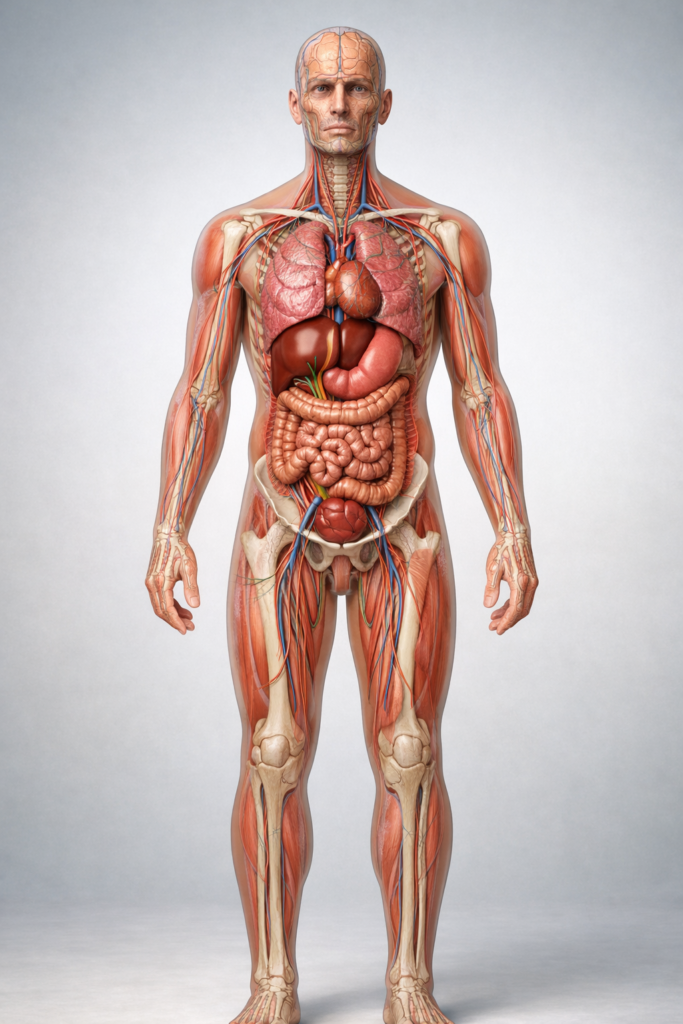
Human Physiology is the branch of biological science that explains how the human body functions as an integrated and coordinated system. It focuses on the physical, chemical, and biological processes that allow cells, tissues, organs, and organ systems to work together to sustain life.
From digestion and respiration to neural control and hormonal regulation, Human Body Systems provides a scientific foundation for understanding health, disease, and medical science. This article offers a comprehensive, professional, and in-depth exploration of the eight major organ systems that define Human Physiology.
Understanding Human Physiology and Its Scope
Human Physiology focuses on how the structure of the human body supports its functions at different levels of biological organization. It explains how individual components work together to maintain life and ensure efficient functioning of the body.
The study of physiological organization includes the following levels:
- Cellular level: Examines the functions of cells, the basic structural and functional units of life
- Tissue level: Explores how groups of similar cells work together to perform specific tasks
- Organ level: Studies how different tissues combine to form organs with specialized functions
- System level: Focuses on groups of organs working together as organ systems
- Whole-body level: Explains how all systems interact to maintain overall balance and survival
The primary goal of physiological science is to explain how homeostasis is achieved and maintained. Homeostasis refers to the body’s ability to regulate its internal environment—such as temperature, pH, water balance, and nutrient levels—despite continuous changes in external conditions.
Several core principles govern physiological functioning:
- Regulation and control mechanisms that adjust body activities
- Feedback systems, especially negative feedback, that stabilize internal conditions
- Integration among organ systems to ensure coordinated responses
- Adaptation to internal and external stress, allowing the body to respond to changing demands
Together, these principles provide a framework for understanding how the human body functions as a dynamic, self-regulating system.
Digestive System in Human Physiology
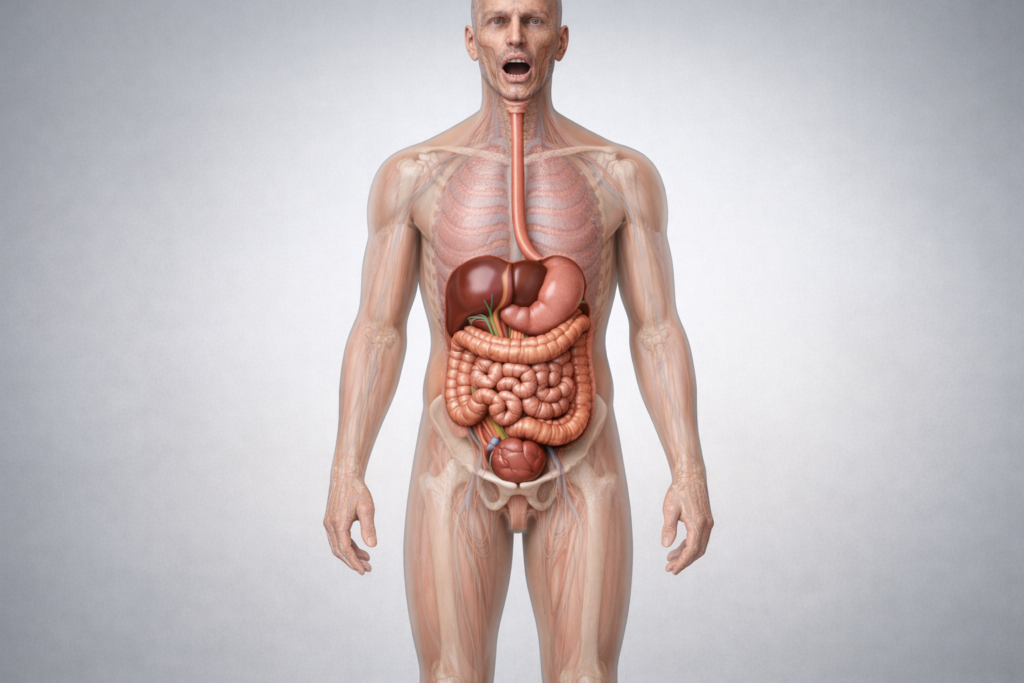
The digestive system plays a central role in Human Physiology by converting food into simple, absorbable nutrients required for energy production, growth, tissue repair, and maintenance of normal body functions. The nutrients obtained through digestion provide the essential materials needed for cellular metabolism and overall physiological balance.
Digestion is a continuous and well-coordinated process that begins in the mouth and continues through the alimentary canal. Mechanical processes such as chewing and muscular contractions break food into smaller pieces, while chemical digestion involves enzymes and digestive secretions that convert complex substances into simpler molecules. This combined action ensures efficient breakdown of carbohydrates, proteins, and fats.
Once digestion is complete, nutrients are absorbed primarily in the small intestine and transported by the circulatory system to body cells. These nutrients are used to release energy, build new tissues, repair damaged cells, and regulate metabolic activities. The digestive system also plays a role in maintaining water balance and eliminating undigested waste materials from the body.
In addition, the digestive system works closely with the nervous and endocrine systems to regulate digestive activities through reflex actions and hormonal control. This coordination ensures that digestion occurs efficiently and in response to the body’s needs.
Overall, the digestive system is essential for sustaining life, supporting growth and development, and maintaining internal stability within the body.
Structure of the Digestive System
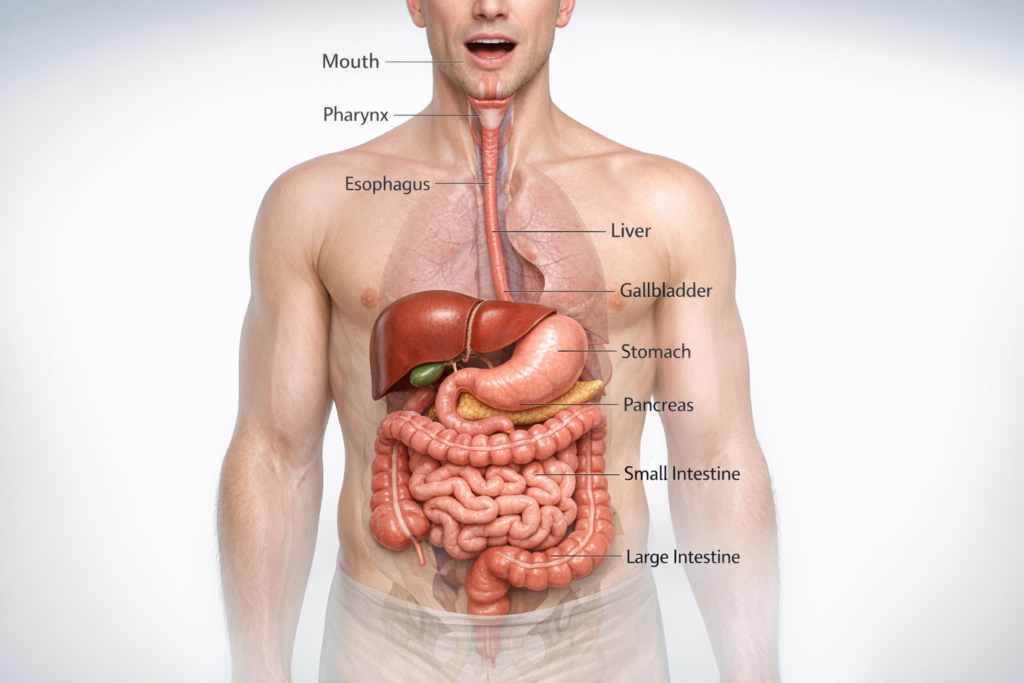
The digestive system consists of:
- Mouth
- Pharynx
- Esophagus
- Stomach
- Small intestine
- Large intestine
- Accessory organs (liver, pancreas, gallbladder)
Physiological Functions
Major functions include:
- Ingestion of food
- Mechanical and chemical digestion
- Absorption of nutrients
- Elimination of waste
| Organ | Primary Function |
|---|---|
| Stomach | Protein digestion |
| Small intestine | Nutrient absorption |
| Large intestine | Water absorption |
Digestive Enzymes and Hormones
Digestive processes are regulated by enzymes and hormones such as:
- Amylase
- Pepsin
- Lipase
- Secretin
- Cholecystokinin
These components ensure efficient digestion and absorption, a key concept in Human Body Systems.
Respiratory System and Gas Exchange
The respiratory system is an essential component of human body functioning, responsible for supplying oxygen to body tissues and removing carbon dioxide produced during cellular metabolism. Oxygen is required for the release of energy from food, while carbon dioxide must be eliminated to prevent harmful changes in blood chemistry. Together, these processes ensure continuous energy production and internal balance.
Organs of the Respiratory System
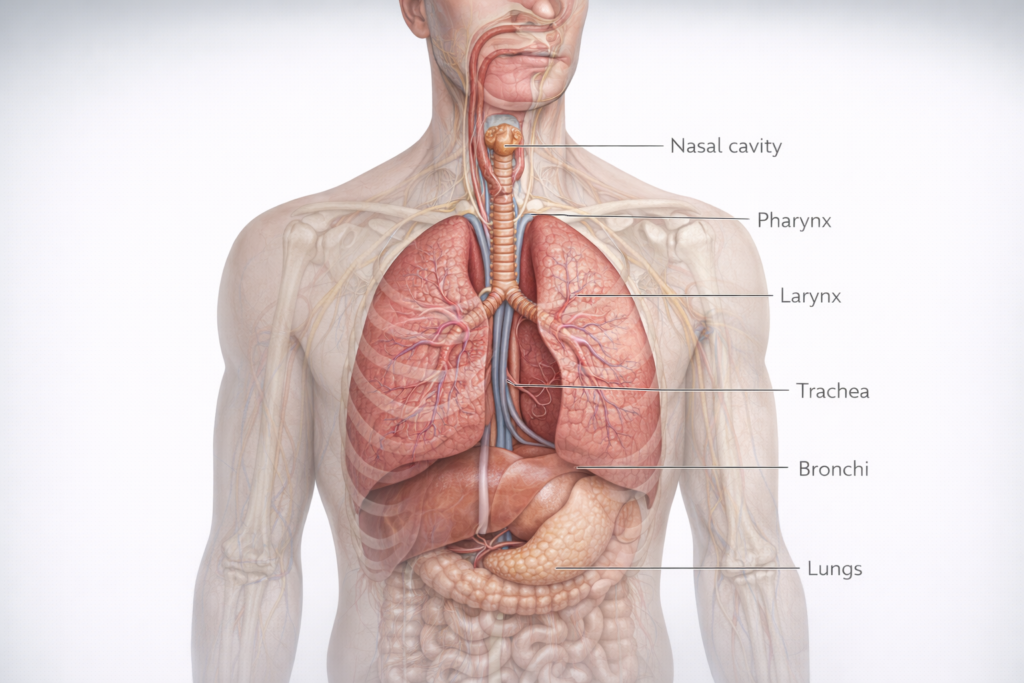
- Nasal cavity
- Pharynx
- Larynx
- Trachea
- Bronchi
- Lungs
Mechanism of Breathing
Breathing is a vital physiological process that enables the intake of oxygen and the removal of carbon dioxide from the body. It occurs through a rhythmic cycle of movements that change the volume of the chest cavity, allowing air to move in and out of the lungs.
Phases of Breathing
Breathing involves two main phases:
Inspiration (Inhalation)
Inspiration is the process by which air enters the lungs. During this phase:
- The diaphragm contracts and moves downward
- The intercostal muscles contract, lifting the rib cage upward and outward
- The volume of the thoracic cavity increases
- Air pressure inside the lungs decreases
As a result of this pressure difference, air flows from the atmosphere into the lungs.
Expiration (Exhalation)
Expiration is the process by which air is expelled from the lungs. During this phase:
- The diaphragm relaxes and moves upward
- The rib cage moves downward and inward
- The volume of the thoracic cavity decreases
- Air pressure inside the lungs increases
This causes air to move out of the lungs into the atmosphere.
Gas Exchange in the Alveoli
Gas exchange occurs in tiny air sacs called alveoli, which are surrounded by a dense network of capillaries. Oxygen diffuses from the alveoli into the blood, while carbon dioxide diffuses from the blood into the alveoli. This exchange happens by diffusion, driven by differences in gas concentration across the alveolar membrane.
The thin walls, moist surface, and large surface area of alveoli make gas exchange highly efficient.
Physiological Importance
The mechanism of breathing ensures:
- Continuous oxygen supply for cellular respiration
- Efficient removal of carbon dioxide
- Maintenance of normal blood pH
- Sustained energy production
Through these processes, breathing supports life and maintains internal balance.
Regulation of Respiration
Respiration is regulated by:
- Medullary respiratory centers
- Chemoreceptors
- Blood CO₂ levels
Efficient respiratory function is vital to cellular metabolism and overall Human Body Systems.
Circulatory System and Transport Functions
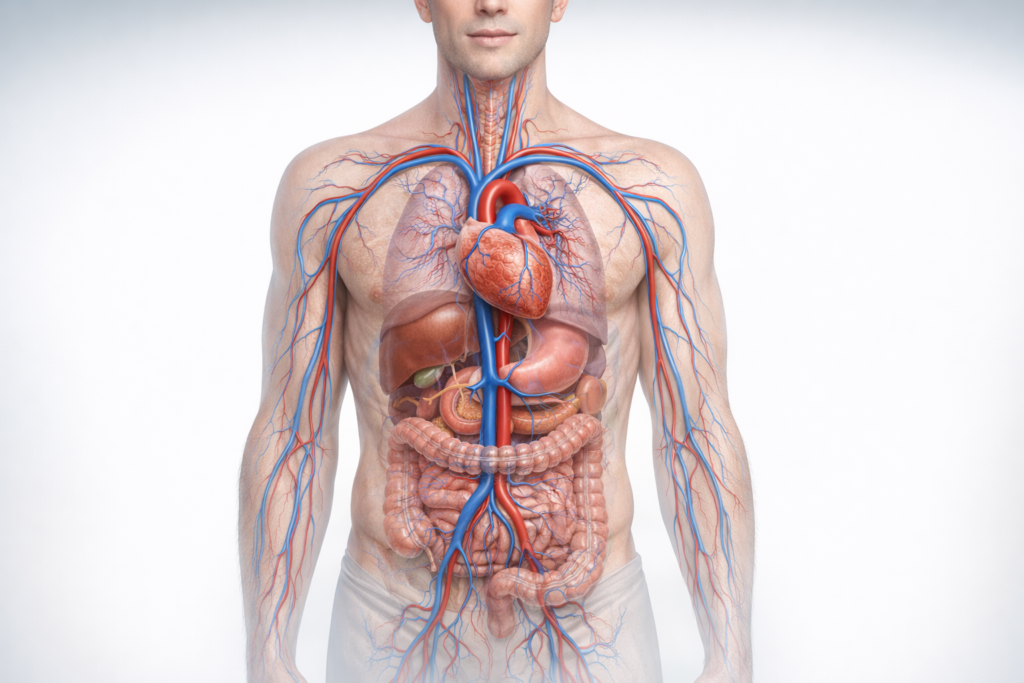
The circulatory system supports human body systems by transporting essential substances throughout the body. It acts as a distribution network that connects all organs and tissues, ensuring that every cell receives the materials it needs to function efficiently and survive.
One of the primary roles of the circulatory system is the transport of oxygen from the lungs to body cells and the removal of carbon dioxide produced during cellular respiration. This exchange is crucial for energy production and the maintenance of normal metabolic activities.
In addition to gases, the circulatory system carries nutrients absorbed from the digestive tract to cells for growth, repair, and energy. It also transports hormones released by endocrine glands, allowing chemical signals to reach their target organs and regulate body functions.
The circulatory system plays an important role in the removal of metabolic wastes, such as urea and excess salts, by carrying them to excretory organs like the kidneys. This function helps maintain a stable internal environment.
Another key function is temperature regulation. By adjusting blood flow to the skin, the circulatory system helps the body lose or conserve heat depending on environmental conditions.
Components of the Circulatory System
- Heart
- Blood
- Blood vessels
Functions of Blood Circulation
- Oxygen and nutrient delivery
- Waste removal
- Hormone transport
- Temperature regulation
Cardiac Cycle and Blood Pressure
The heart functions through rhythmic contraction and relaxation. Blood pressure is regulated by:
- Cardiac output
- Vascular resistance
- Blood volume
This system ensures continuous internal balance, a fundamental principle of Biological Functioning of Humans.
Excretory System and Waste Regulation
The excretory system plays a vital role in the biological functioning of humans by removing metabolic waste products and maintaining proper fluid and electrolyte balance within the body. During normal metabolic activities, cells produce waste substances that can become toxic if allowed to accumulate. The excretory system ensures that these wastes are efficiently eliminated, helping to preserve internal stability.
The primary function of the excretory system is the removal of nitrogenous wastes, such as urea, which are formed during the breakdown of proteins. These waste products are transported by the blood to the kidneys, where they are filtered and removed from the body in the form of urine.
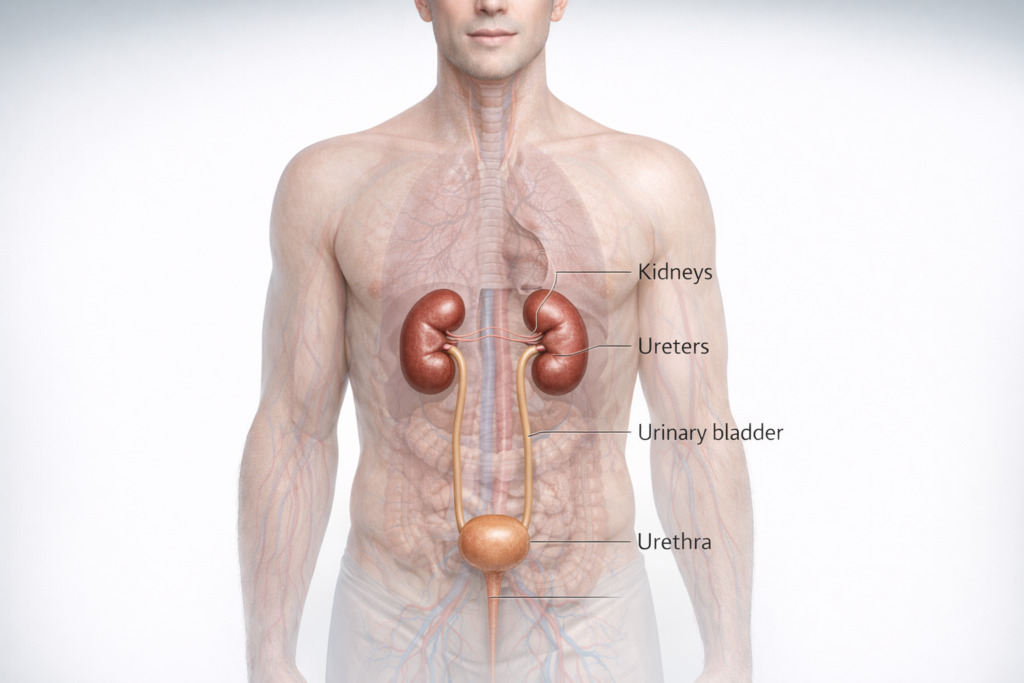
Organs of the Excretory System
- Kidneys
- Ureters
- Urinary bladder
- Urethra
Formation of Urine
Urine formation involves:
- Filtration
- Reabsorption
- Secretion
Role in Homeostasis
The kidneys regulate:
- Water balance
- Electrolyte concentration
- Blood pH
Proper excretory function is essential for physiological stability.
Nervous System and Control Mechanisms
The nervous system is the primary control system in organ system coordination, enabling rapid communication and precise regulation of body activities. It allows the body to detect changes in both internal and external environments and respond quickly to maintain normal functioning.
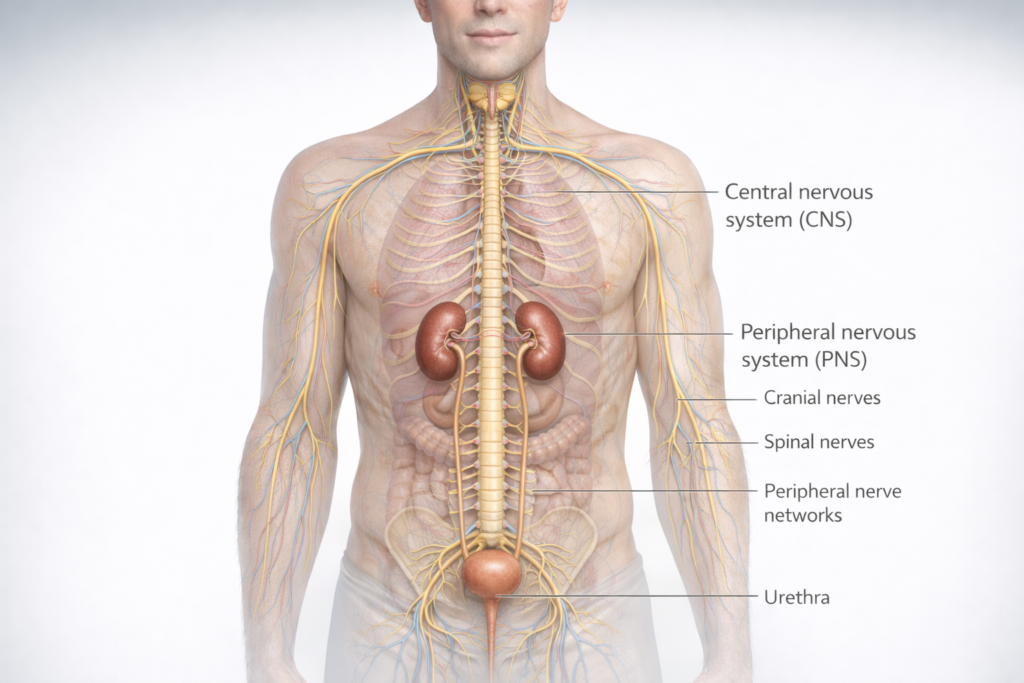
This system operates through electrical and chemical signals that travel along nerve fibers and across synapses. These signals ensure fast transmission of information, making the nervous system the most rapid regulatory system in the human body.
Divisions of the Nervous System
- Central nervous system (CNS)
- Peripheral nervous system (PNS)
Neuron Structure and Function
Neurons transmit electrical signals through:
- Dendrites
- Cell body
- Axon
Reflex Action and Neural Control
Reflex actions allow quick responses to stimuli. The nervous system regulates:
- Muscle movement
- Sensory perception
- Cognitive functions
Endocrine System and Hormonal Regulation
The endocrine system controls long-term physiological processes through the release of hormones. Unlike the nervous system, which produces rapid and short-lasting responses, the endocrine system regulates body activities that develop slowly but have prolonged effects. These hormonal actions are essential for growth, development, metabolism, reproduction, and adaptation to stress.
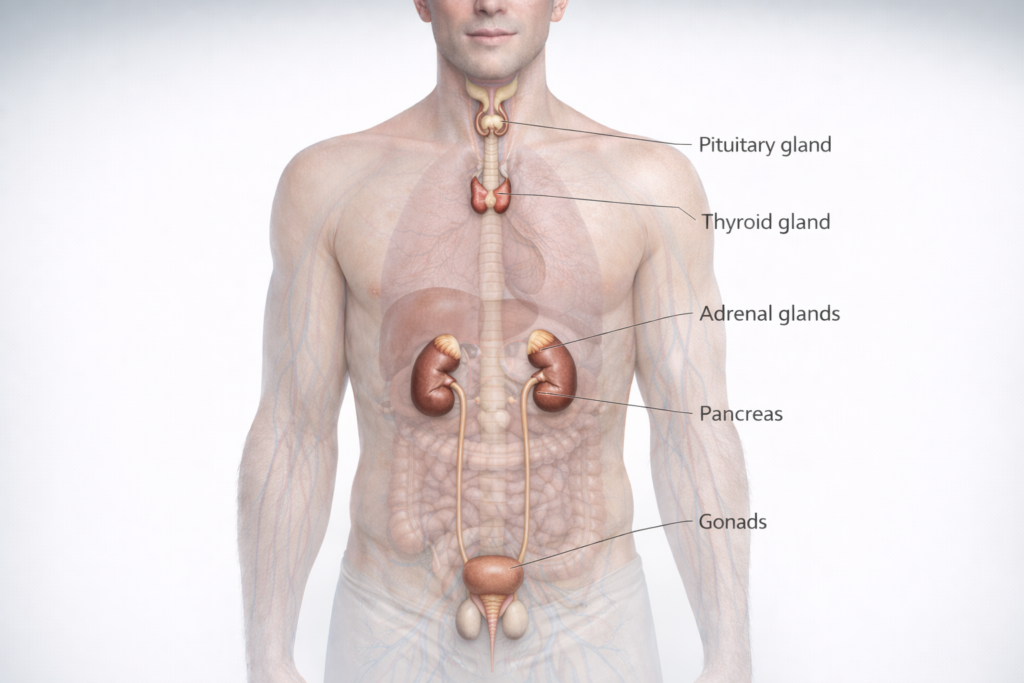
Hormones are chemical messengers secreted directly into the bloodstream by specialized glands. Once released, they travel to specific target organs or tissues where they influence cellular activity. Because hormones act through blood circulation, their effects are widespread and long-lasting.
Major Endocrine Glands
The endocrine system consists of specialized glands that secrete hormones directly into the bloodstream. These hormones act as chemical messengers that regulate various long-term physiological processes.
- Pituitary gland:
Often called the master gland, the pituitary gland controls the activity of other endocrine glands. It plays a key role in growth, development, reproduction, and water balance. - Thyroid gland:
The thyroid gland regulates metabolic rate, energy production, and body temperature. Thyroid hormones influence how quickly cells use energy. - Adrenal glands:
Located above the kidneys, the adrenal glands produce hormones that help the body respond to stress, regulate blood pressure, and maintain electrolyte balance. - Pancreas:
The pancreas regulates blood glucose levels by secreting insulin and glucagon. These hormones ensure a stable supply of energy to body cells. - Gonads:
The gonads include the testes in males and ovaries in females. They produce sex hormones that regulate reproduction, sexual development, and secondary sexual characteristics.
Hormone Action
Hormones influence target cells by binding to specific receptors and altering cellular activity. Through this mechanism, hormones regulate several essential physiological processes, including:
- Growth and development: Control of physical growth and tissue maturation
- Metabolism: Regulation of energy production and nutrient utilization
- Reproduction: Control of reproductive cycles and fertility
- Stress response: Coordination of adaptive responses to physical and emotional stress
Hormonal regulation ensures long-lasting and coordinated control of body functions, supporting internal stability and overall health.
Feedback Mechanisms
Feedback mechanisms are essential regulatory processes that help maintain internal stability within the body. They ensure that physiological activities are adjusted continuously in response to changes in the internal or external environment.
Hormonal regulation operates mainly through negative feedback, which is the most important and commonly used feedback mechanism in physiological control. In negative feedback, the response produced by a hormone reduces or opposes the original stimulus that triggered its release. This prevents excessive hormonal activity and helps maintain balance.
When the level of a hormone rises beyond the normal range, signals are sent to reduce further secretion. Conversely, when hormone levels fall below the required level, secretion is increased. This self-regulating process allows the body to maintain stable internal conditions such as temperature, blood glucose levels, and metabolic rate.
Negative feedback mechanisms often involve interaction between the hypothalamus, pituitary gland, and target endocrine glands. These interactions ensure precise control over hormone production and release.
Muscular System and Movement
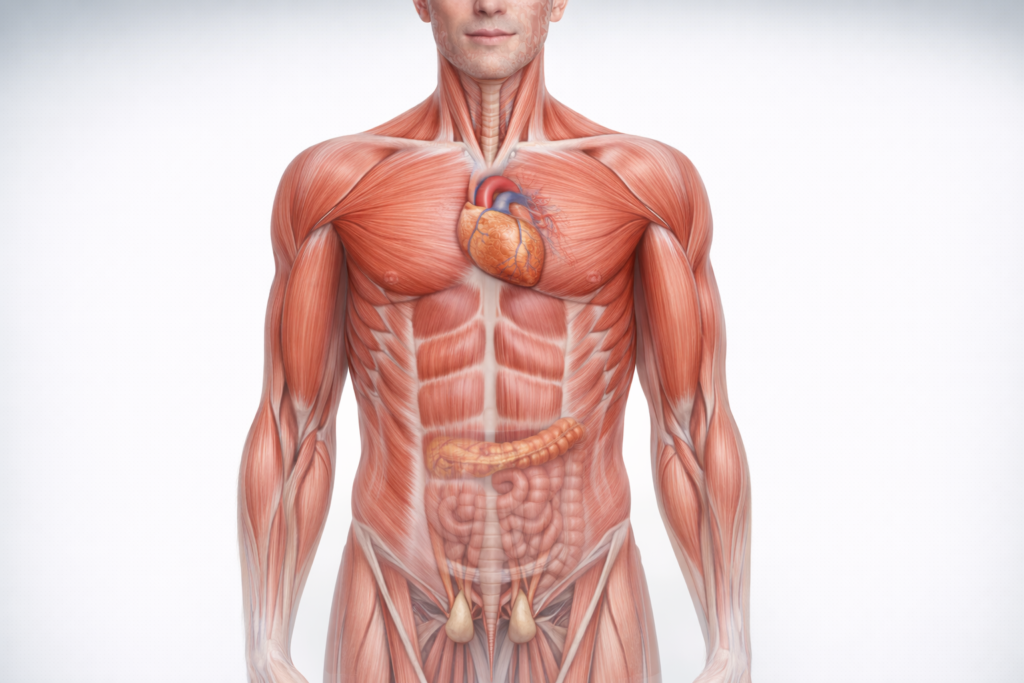
The muscular system enables movement and posture in Human Body Systems.
Types of Muscles
| Muscle Type | Function |
|---|---|
| Skeletal | Voluntary movement |
| Smooth | Involuntary control |
| Cardiac | Heart contraction |
Muscle Contraction Mechanism
Muscle contraction involves:
- Actin and myosin interaction
- ATP utilization
- Calcium ion release
Physiological Roles
Muscles support:
- Body movement
- Heat production
- Joint stability
Skeletal System and Structural Support
The skeletal system provides structure and protection to the human body by forming a strong internal framework. It gives the body its shape, supports soft tissues, and protects vital organs such as the brain, heart, and lungs. Without the skeletal system, the body would lack stability and the ability to maintain posture or perform movement efficiently.
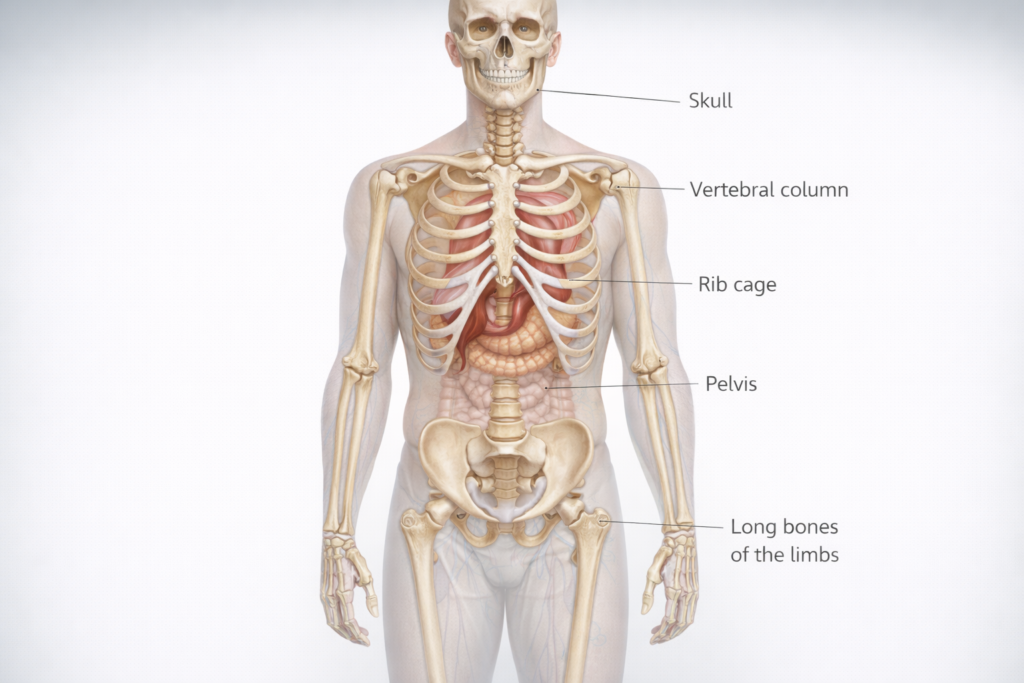
In addition to providing support, the skeletal system plays a key role in body movement by working closely with the muscular system. Bones act as levers, while muscles provide the force required for movement. This coordinated action allows activities such as walking, running, lifting, and maintaining balance.
Functions of the Skeleton
- Support and shape
- Protection of organs
- Movement assistance
- Blood cell formation
Types of Bones
- Long bones
- Short bones
- Flat bones
- Irregular bones
Joints and Mobility
Joints enable movement and flexibility while maintaining structural integrity.
Integration of Systems in Human Physiology
HuHuman Physiology emphasizes that the human body functions as an integrated whole rather than as a collection of isolated systems. Each organ system performs specific roles, but effective functioning depends on continuous coordination and communication among all systems.
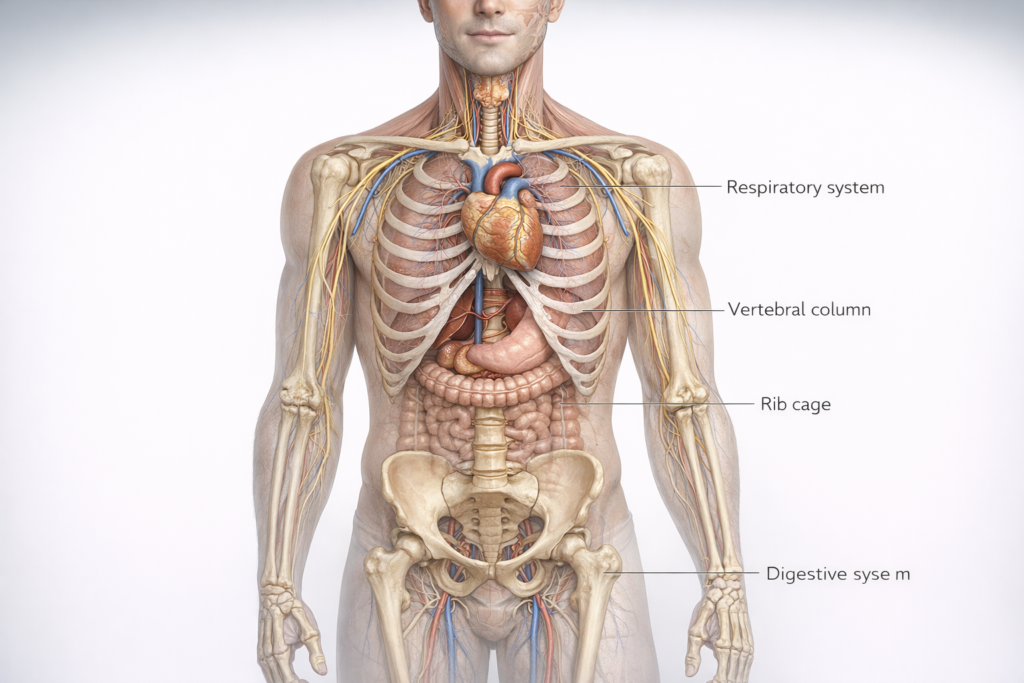
This integration allows the body to maintain internal balance, respond to environmental changes, and carry out complex activities efficiently. No single system can function independently for long; survival depends on their mutual interaction.
Examples of System Integration
- Respiratory and circulatory systems:
The respiratory system supplies oxygen to the lungs, while the circulatory system transports oxygen to body tissues and removes carbon dioxide. Together, they ensure efficient gas exchange and energy production. - Nervous and muscular systems:
The nervous system sends electrical signals that stimulate muscle contraction, enabling movement, posture, and reflex actions. This coordination allows precise and controlled physical activity. - Endocrine and digestive systems:
Hormones regulate digestive processes, nutrient absorption, and metabolism. This interaction ensures proper energy utilization and long-term metabolic balance.
Physiological Importance of Integration
The integration of body systems is essential because it:
- Maintains internal stability
- Enables coordinated responses to stimuli
- Supports growth, development, and repair
- Enhances adaptability to internal and external stress
Through continuous interaction among systems, the body achieves efficiency, resilience, and survival in changing environments.
Conclusion: The Significance of Human Physiology
Human Physiology provides a complete understanding of how the human body functions as a unified, self-regulating system. By studying the digestive, respiratory, circulatory, excretory, nervous, endocrine, muscular, and skeletal systems, we gain insight into the complexity and efficiency of life processes.
A strong foundation in Human Physiology is essential for careers in medicine, healthcare, fitness, and life sciences. More importantly, it helps individuals understand their own bodies, make informed health decisions, and appreciate the remarkable coordination that sustains human life.
Human Physiology is not just a scientific discipline—it is the key to understanding life itself.
FAQs on Human Physiology
1. What is Human Physiology?
Human Physiology is the study of how the human body functions at cellular, organ, and system levels.
2. Why is Human Physiology important in medicine?
It provides the foundation for understanding diseases, diagnosis, and treatment.
3. How does Human Physiology differ from anatomy?
Anatomy focuses on structure, while Human Physiology focuses on function.
4. Which system controls the body fastest?
The nervous system provides rapid control and coordination.
5. How is homeostasis maintained?
Through feedback mechanisms involving the nervous and endocrine systems.
6. Can one system function independently?
No, all systems are interdependent in Human Physiology.
7. Is Human Physiology relevant for daily life?
Yes, it explains exercise, nutrition, stress, and overall health.