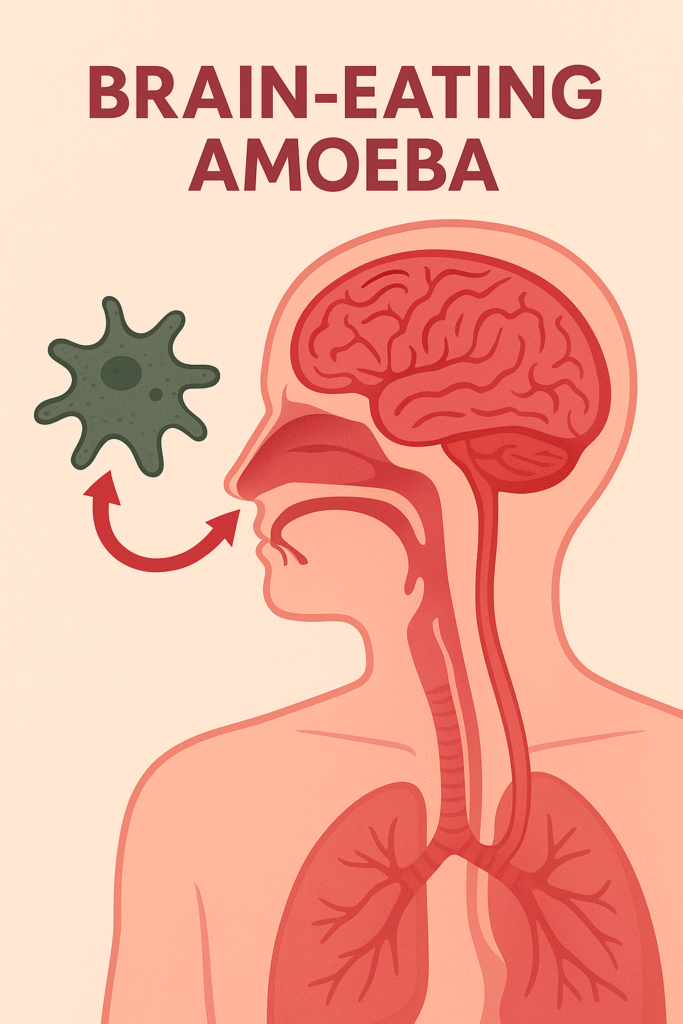
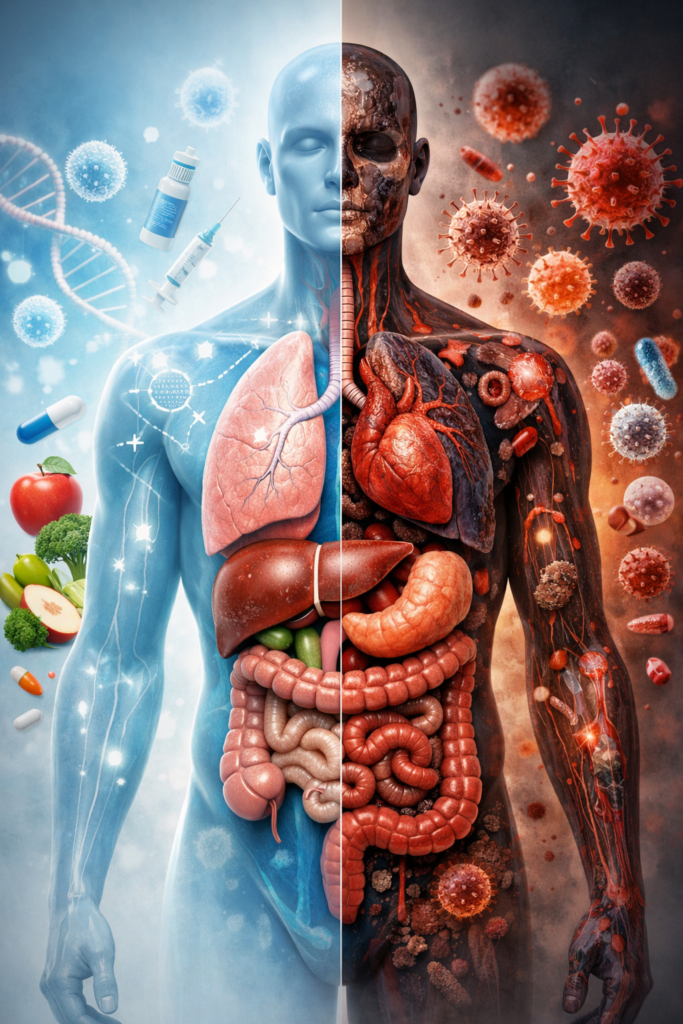
Health is the foundation of human productivity, longevity, and quality of life. At the same time, disease remains one of the greatest challenges faced by individuals and societies worldwide. Understanding Health & Disease is essential not only for medical professionals, but also for students, educators, policymakers, and anyone who wishes to live a healthier, more informed life.
In modern science, health is no longer viewed simply as the absence of illness. It is a dynamic state influenced by biological, environmental, nutritional, psychological, and social factors. Diseases, on the other hand, arise when normal physiological balance is disturbed, often due to pathogens, lifestyle choices, genetic predisposition, or environmental exposure. Understanding health and disease is essential for improving quality of life, preventing illness, and strengthening public health systems worldwide.
This long-form, in-depth article explores Health & Disease from a scientific and practical perspective. It covers human health and diseases, pathogens, immunity, vaccination, communicable and non-communicable diseases, and the vital role of nutrition and a balanced diet. The goal is to provide a clear, authoritative, and structured resource suitable for academic learning and real-world understanding.
Understanding Health & Disease in Humans
The study of Health & Disease forms the core of medical and biological sciences. It explains how the human body maintains internal balance and how disruptions lead to illness.
What Is Health?
According to global health standards, health is a state of complete physical, mental, and social well-being, not merely the absence of disease. This definition emphasizes that health is multi-dimensional.
Key dimensions of health include:
- Physical health: Proper functioning of body systems
- Mental health: Emotional stability and cognitive well-being
- Social health: Ability to interact and maintain relationships
- Environmental health: Safe and supportive surroundings
A healthy individual is better equipped to resist infections, recover from illness, and adapt to stress.
What Is Disease?
A disease is a condition in which normal physiological functions are disrupted. Diseases may affect specific organs or involve the entire body.
Common characteristics of disease include:
- Identifiable signs and symptoms
- Altered structure or function of tissues
- Reduced efficiency of biological processes
The relationship between Health & Disease is dynamic. A person may move between states of health and illness throughout life depending on internal and external factors.
Human Health and Diseases: An Overview
Human diseases can be broadly classified based on their causes, duration, and ability to spread.
Causes of Human Diseases
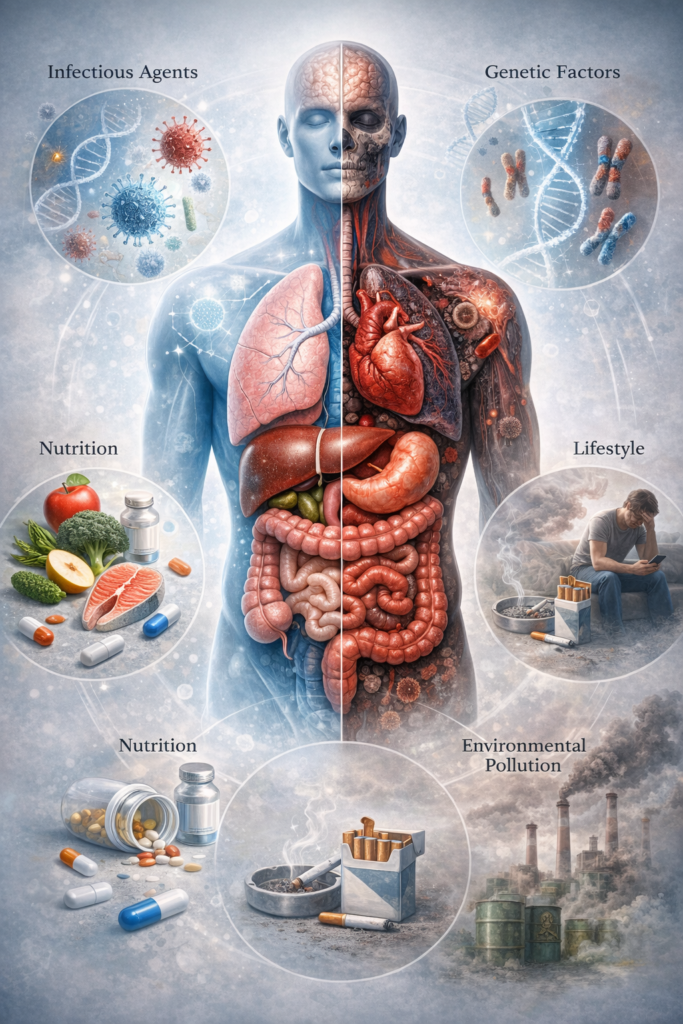
Diseases arise due to multiple interacting factors, including:
- Infectious agents such as bacteria and viruses
- Genetic abnormalities
- Nutritional deficiencies or excesses
- Lifestyle habits such as smoking or physical inactivity
- Environmental pollution and toxins
Understanding these causes helps in disease prevention and effective treatment strategies.
Acute and Chronic Diseases
Diseases are often grouped by duration:
- Acute diseases: Develop rapidly and last for a short time (e.g., influenza)
- Chronic diseases: Persist for long periods and often require lifelong management (e.g., diabetes)
This classification plays an important role in public health planning and clinical care.
Pathogens and Their Role in Disease
Pathogens are biological agents that cause infectious diseases. They are central to the study of Health & Disease because they directly challenge the body’s defense mechanisms.
What Are Pathogens?
A pathogen is any organism or agent capable of producing disease in a host. Pathogens invade the body, multiply, and interfere with normal physiological functions.
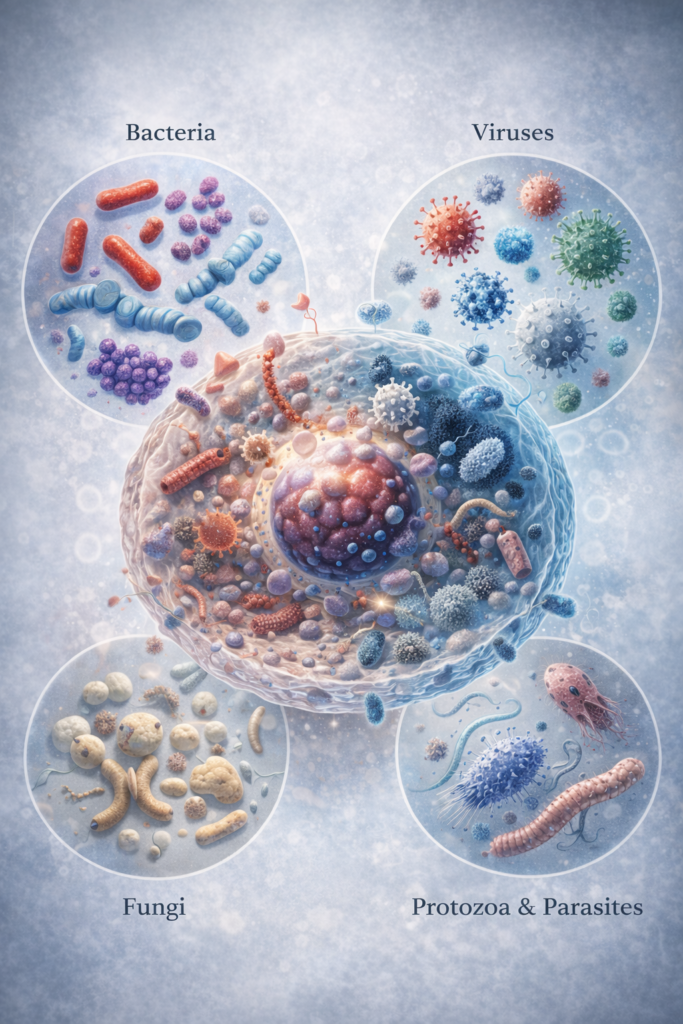
The main groups of pathogens include:
- Bacteria
- Viruses
- Fungi
- Protozoa and parasites
Each group differs in structure, mode of transmission, and treatment approach.
Bacterial Pathogens
Bacteria are single-celled microorganisms found in diverse environments. While many bacteria are beneficial, some cause serious diseases.
Examples of bacterial diseases include:
- Tuberculosis
- Cholera
- Typhoid
- Pneumonia
Bacterial infections are often treated using antibiotics, though resistance has become a major global concern.
Viral Pathogens
Viruses are non-cellular agents that require a host cell to replicate. They are among the most challenging pathogens in Health and Disease studies.
Common viral diseases include:
- Influenza
- Measles
- COVID-19
- Hepatitis
Antibiotics are ineffective against viruses, making prevention and vaccination especially important.
Fungal Pathogens
Fungi are eukaryotic organisms that may cause infections, particularly in individuals with weakened immune systems.
Examples include:
- Ringworm
- Athlete’s foot
- Candidiasis
Fungal diseases are generally treated with antifungal medications.
Immunity: The Body’s Defense System
Immunity is the body’s natural ability to resist and eliminate pathogens. It is a cornerstone of Health & Disease management and prevention.
Types of Immunity
Immunity can be broadly classified into two main types.
Innate Immunity
Innate immunity is present from birth and provides immediate, non-specific defense.
Components include:
- Skin and mucous membranes
- Phagocytic cells
- Inflammatory responses
Although rapid, innate immunity does not provide long-lasting protection.
Acquired Immunity
Acquired immunity develops after exposure to pathogens or vaccines.
It is further divided into:
- Active immunity: Developed after infection or vaccination
- Passive immunity: Acquired through antibodies from another source
This form of immunity is highly specific and often long-lasting.
Importance of Immunity in Health
A strong immune system reduces disease severity, shortens recovery time, and prevents reinfection. Impaired immunity increases susceptibility to infections and chronic illness, directly affecting overall Health & Disease outcomes.
Vaccination and Disease Prevention
Vaccination is one of the most effective tools in modern medicine. It has transformed global Health & Disease patterns by preventing life-threatening infections.
What Is Vaccination?
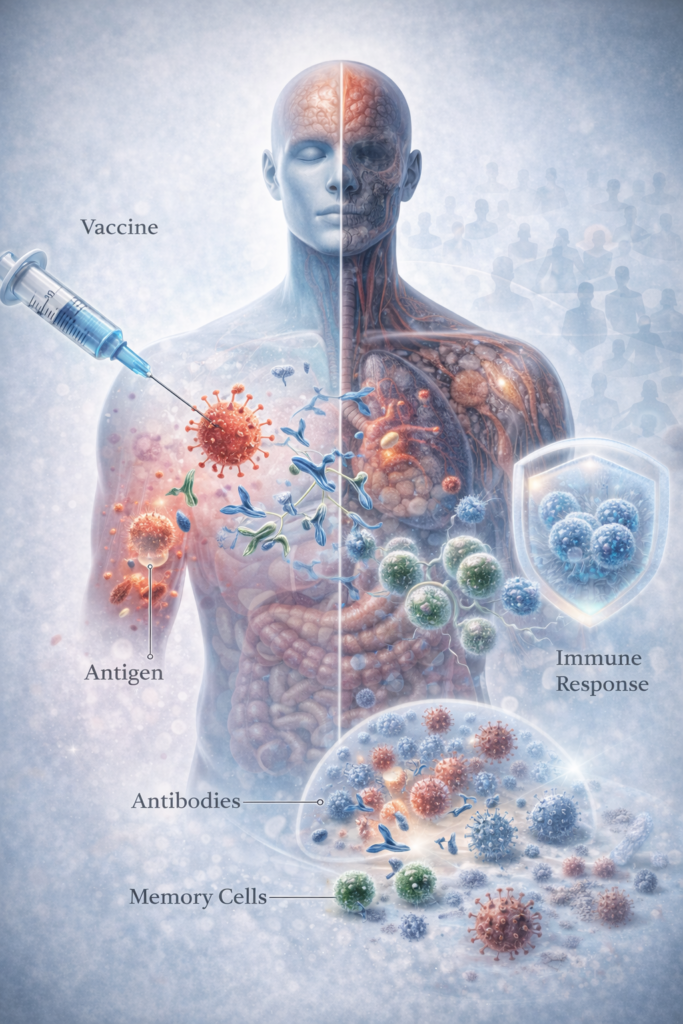
Vaccination involves introducing a weakened or inactive form of a pathogen into the body to stimulate immune response without causing disease.
This process trains the immune system to recognize and respond rapidly to future infections.
Benefits of Vaccination
Vaccination provides both individual and community-level protection.
Key benefits include:
- Prevention of severe disease
- Reduction in disease transmission
- Protection of vulnerable populations
- Elimination or control of epidemics
Diseases such as smallpox have been eradicated through widespread vaccination programs.
Herd Immunity
When a large proportion of a population is vaccinated, disease spread is limited. This indirect protection is known as herd immunity and is crucial in maintaining public Health & Disease balance.
Communicable Diseases
Communicable diseases are illnesses that spread from one person to another, directly or indirectly.
Modes of Transmission
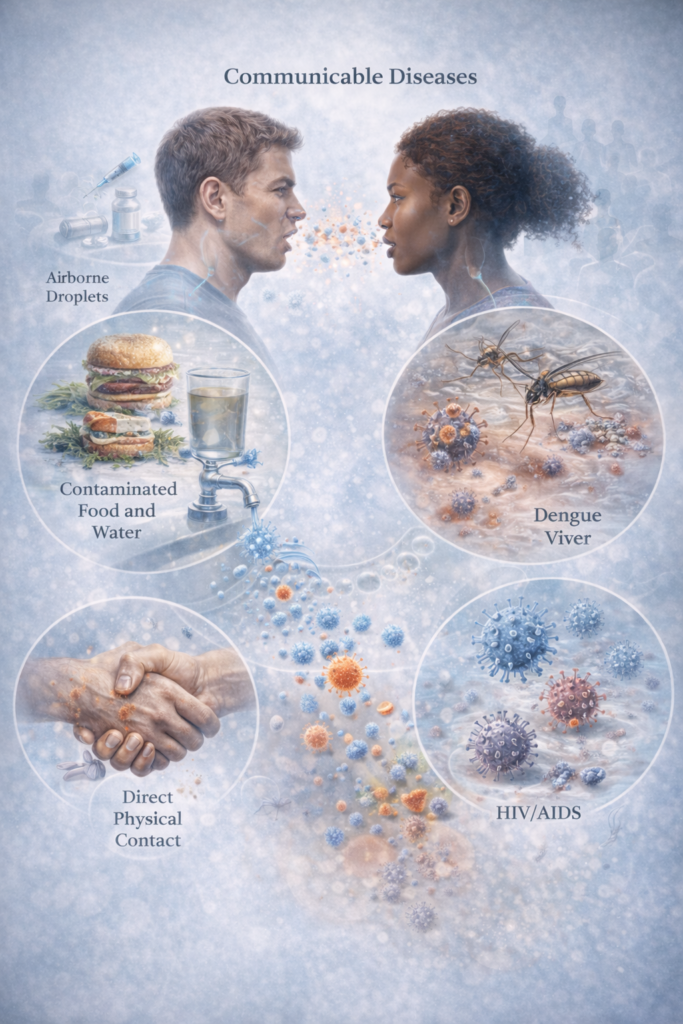
Communicable diseases spread through various pathways:
- Airborne droplets
- Contaminated food and water
- Physical contact
- Insect vectors
Understanding transmission helps in designing effective prevention strategies.
Examples of Communicable Diseases
Common communicable diseases include:
- Tuberculosis
- Malaria
- Dengue fever
- HIV/AIDS
Public health measures such as sanitation, vaccination, and early diagnosis play a major role in controlling these diseases.
Prevention and Control
Effective control strategies include:
- Improved hygiene and sanitation
- Vector control programs
- Immunization campaigns
- Health education
Reducing communicable diseases significantly improves population-level Health & Disease indicators.
Non-Communicable Diseases and Lifestyle Factors
Non-communicable diseases (NCDs) do not spread from person to person. They are a leading cause of mortality worldwide.
What Are Non-Communicable Diseases?
NCDs are long-term conditions often linked to lifestyle and environmental factors.
Major categories include:
- Cardiovascular diseases
- Cancer
- Diabetes
- Chronic respiratory diseases
These diseases place a heavy burden on healthcare systems.
Risk Factors for NCDs
Key risk factors include:
- Unhealthy diet
- Physical inactivity
- Tobacco use
- Excessive alcohol consumption
- Chronic stress
Managing these factors is essential for improving Health & Disease outcomes.
Prevention of Non-Communicable Diseases
Prevention strategies focus on lifestyle modification:
- Regular physical activity
- Balanced nutrition
- Stress management
- Routine health screenings
Early intervention can prevent complications and improve quality of life.
Nutrition and Balanced Diet in Health Maintenance
Nutrition plays a central role in maintaining health and preventing disease. Poor nutrition weakens immunity and increases disease risk.
What Is a Balanced Diet?
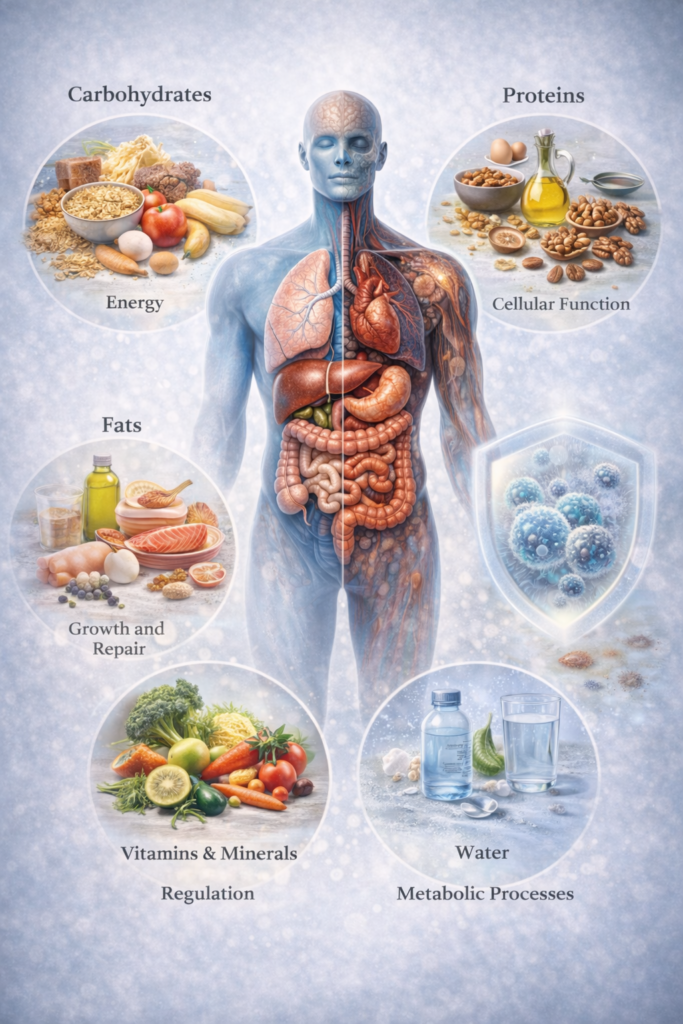
A balanced diet provides all essential nutrients in appropriate amounts to support normal body functions.
Key components include:
- Carbohydrates for energy
- Proteins for growth and repair
- Fats for cellular function
- Vitamins and minerals for regulation
- Water for metabolic processes
Role of Nutrition in Disease Prevention
Proper nutrition supports immune function and reduces the risk of both communicable and non-communicable diseases.
Benefits include:
- Improved resistance to infections
- Reduced risk of obesity and diabetes
- Better cardiovascular health
- Enhanced mental well-being
Nutrition is a foundational pillar in the study of Health & Disease.
Malnutrition and Its Effects
Malnutrition includes undernutrition and overnutrition.
Consequences of malnutrition include:
- Weakened immunity
- Delayed growth and development
- Increased susceptibility to disease
Addressing nutritional imbalance is critical for public health.
Public Health Perspective on Health & Disease
Public health focuses on preventing disease and promoting health at the population level.
Importance of Public Health Measures
Public health strategies include:
- Disease surveillance
- Health education
- Sanitation and clean water
- Immunization programs
These measures reduce disease burden and promote long-term health stability.
Global Challenges
Modern Health & Disease challenges include:
- Emerging infectious diseases
- Antimicrobial resistance
- Aging populations
- Lifestyle-related disorders
Addressing these challenges requires coordinated global efforts.
Conclusion: The Integrated View of Health & Disease
Understanding Health & Disease requires an integrated approach that connects biology, environment, lifestyle, and public health. Human health is shaped not only by medical care, but also by nutrition, immunity, sanitation, education, and social responsibility.
Pathogens continue to challenge human survival, yet immunity and vaccination provide powerful defenses. At the same time, the growing burden of non-communicable diseases highlights the importance of lifestyle choices and preventive care. Nutrition remains a fundamental pillar supporting both individual and population health.
By adopting informed health practices and supporting public health initiatives, societies can reduce disease burden and improve quality of life. A comprehensive understanding of Health & Disease is not just academic knowledge—it is a lifelong asset for healthier individuals and stronger communities.
Frequently Asked Questions (FAQs)
1. What is meant by Health & Disease?
Health & Disease refers to the study of physical well-being and the conditions that disrupt normal body functions.
2. How do pathogens cause disease?
Pathogens invade the body, multiply, and interfere with normal physiological processes, leading to illness.
3. Why is immunity important for health?
Immunity protects the body from infections and reduces the severity of diseases.
4. How does vaccination help prevent diseases?
Vaccination trains the immune system to recognize pathogens, preventing severe infections.
5. What is the difference between communicable and non-communicable diseases?
Communicable diseases spread between individuals, while non-communicable diseases do not.
6. How does nutrition influence disease risk?
Proper nutrition strengthens immunity and lowers the risk of chronic and infectious diseases.
7. Can lifestyle changes improve long-term health?
Yes, healthy habits significantly reduce disease risk and improve overall well-being.