
The global headlines today May 30 2026 are dominated by one decision that could reshape the world economy overnight — President Trump has entered the White House Situation Room to make his “final determination” on the US-Iran 60-day ceasefire deal. While the world holds its breath, oil just posted its worst monthly loss since the COVID-19 pandemic, Israel quietly expanded its control over Gaza to 64%, and Asia’s most powerful defence summit opened in Singapore with 44 countries in attendance.
This is your Informosio briefing — ten stories, all verified, no filler. Here are the global headlines today May 30 2026.
Trump Enters Situation Room for “Final Determination” on Iran Ceasefire Deal
This is the single most consequential story in the global headlines today May 30 2026 — and it is happening right now.
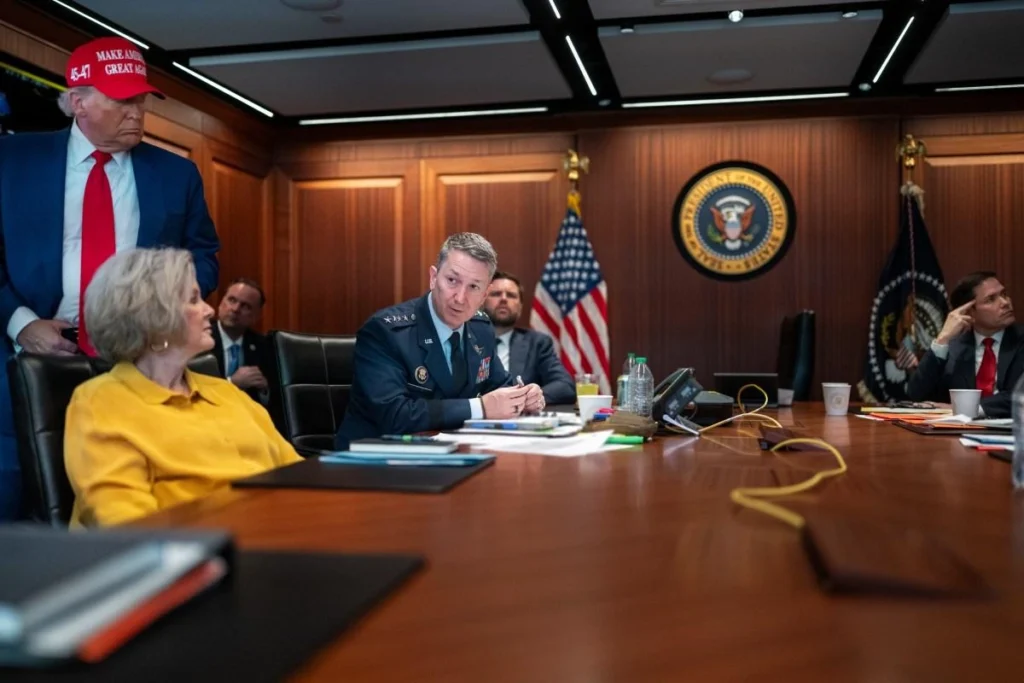
President Donald Trump announced on Friday that he would convene a White House Situation Room meeting to make his “final determination” on the proposed 60-day memorandum of understanding with Iran. The deal, negotiated over several weeks between US and Iranian officials, has been confirmed by multiple sources at Bloomberg, PBS, and NBC News.
On Truth Social, Trump laid out his non-negotiable demands clearly: Iran must agree to “never have a Nuclear Weapon or Bomb,” the Strait of Hormuz must be “immediately open, no tolls, for unrestricted shipping traffic,” and “no money will be exchanged, until further notice.” Trump added that other elements of the deal have been agreed, but these core demands remain the sticking points.
Vice President JD Vance told reporters Thursday evening that while he “can’t guarantee that we’re going to get there,” the president would “be in a position where he can endorse the agreement” — describing the outcome as still “TBD.” The fragility of the moment was underscored by the fact that even as negotiators finalised the MOU language, Kuwait intercepted Iranian missiles just hours earlier — a reminder that the ceasefire is being violated in real time even as it is being formalised on paper.
The world is watching. If Trump signs, the Strait reopens, oil prices fall further, and 60 days of nuclear talks begin. If he does not — or demands are rejected by Tehran — the risk of resumed full-scale conflict returns immediately. No story today carries more economic or geopolitical weight than this one.
Oil Posts Worst Month Since COVID — Brent Closes May at $92
Among the global headlines today may 30 2026 with the biggest economic impact, Brent crude oil closed May 2026 at $92.05 per barrel — a fall of more than 19% in a single month. That is oil’s worst monthly performance since March 2020, when the COVID-19 pandemic caused economies to shut down globally and demand to collapse overnight.
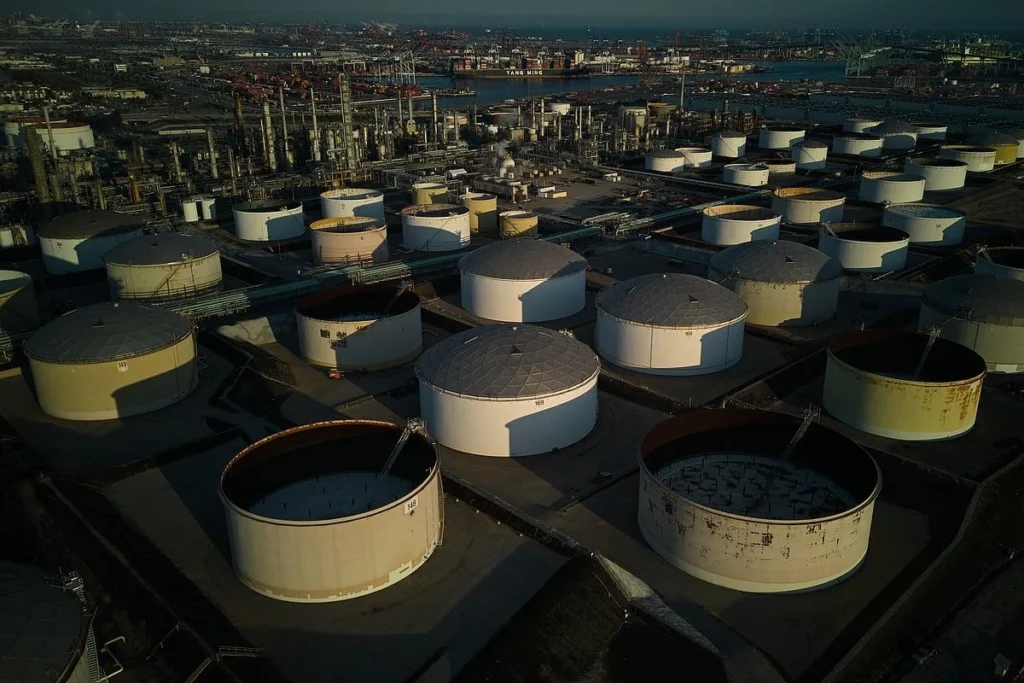
West Texas Intermediate crude fell nearly 17% across the month, closing Friday at $87.36 per barrel. The collapse comes despite the Strait of Hormuz still being effectively closed — markets are pricing in the expectation that Trump will sign the deal and the strait will reopen within 30 days.
However, energy analysts are urging caution. Even if the Strait reopens, the damage to Gulf infrastructure is extensive. Refineries, pipelines, and oil terminals across the region were hit during three months of conflict. Tanker insurance costs remain elevated. A CNBC analyst quoted Friday noted that any reopening is “likely to be only partial” and that energy markets will remain disrupted for months even under a best-case diplomatic scenario. US drivers are still paying roughly $1.50 per gallon more at the pump than before the war began on February 28.
The oil price crash is being monitored closely by Saudi Arabia, the UAE, and other Gulf producers, whose budgets depend on prices remaining above $80 per barrel. At $87, they remain viable — but the trend is moving fast.
Global Headlines Today May 30 2026: Israel Expands Gaza Control to 64% as Talks Stall
In a story receiving less attention than it deserves given the focus on Iran, Israel has quietly expanded its military control inside Gaza from the 53% agreed under last year’s October ceasefire to approximately 64% as of late May — and Prime Minister Benjamin Netanyahu announced this week that Israel intends to push further, targeting an initial 70% of the territory.
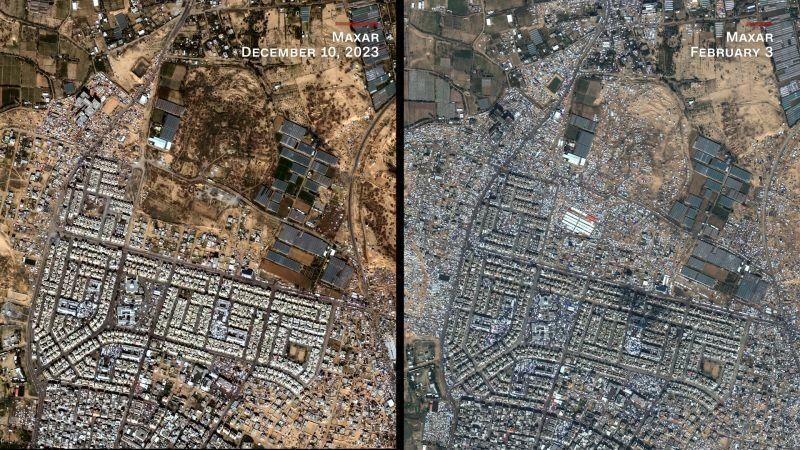
Netanyahu did not provide a timeline for the 70% expansion. Hamas described the announcement as “a plan for ethnic cleansing and forced displacement of Palestinians,” calling any attempt to impose new occupation “null and illegitimate.” The European Union, several individual European governments, and multiple UN agencies have voiced alarm at the expansion.
The original October ceasefire deal placed Israel’s military behind a “yellow line” covering 53% of Gaza. Israel has consistently argued that continued operations are necessary to eliminate imminent threats. More than two million Gaza residents, the vast majority in temporary shelters or tents, are being squeezed into an ever-shrinking area as Israeli operations expand northward.
Global attention has been largely fixed on the Iran conflict since February, allowing this expansion to proceed with relatively little international pressure. Peace negotiations with Hamas remain entirely stalled, with the most recent US proposal — a 60-day humanitarian pause involving the release of 10 living hostages — rejected by Hamas in May.
Israel-Lebanon Talks Resume at Pentagon — Hezbollah Refuses to Comply
One of the less-covered stories in the global headlines today may 30 2026 is the new round of Israel-Lebanon peace talks at the Pentagon on May 29, part of a continuing parallel diplomatic track running alongside the US-Iran ceasefire process. The talks aim to build on the April 16 ceasefire between Israel and Hezbollah, which was extended by 45 days following the third round of US-hosted negotiations on May 15.
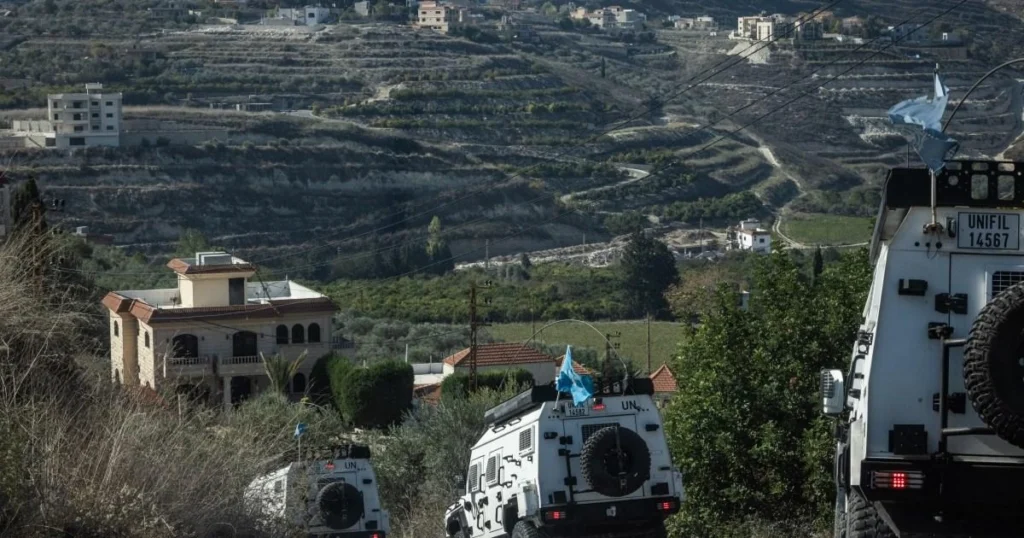
Despite the ceasefire extension, the situation on the ground remains deeply unstable. The Israeli army conducted strikes on Beirut’s southern suburbs in recent days, targeting a building believed to house Hezbollah official Ali Al Husseini. Israeli warplanes have been described as “operating non-stop” over Lebanon. Hezbollah, for its part, has continued firing drones and rockets into Israeli positions and has adapted its battlefield tactics to use smaller combat drones.
A senior Hezbollah official publicly stated this week that the group will not respect any agreement reached between the Israeli and Lebanese governments — a fundamental obstacle to any durable peace. Lebanon entered the Pentagon talks seeking US assurances that Washington would actively support the Lebanese state in confronting Hezbollah, a promise it fears may not be kept if American attention and resources remain focused on the Iran deal.
Shangri-La Dialogue Opens in Singapore — 44 Nations, One Agenda: Indo-Pacific Security
Asia’s premier annual defence summit — the IISS Shangri-La Dialogue — opened in Singapore on May 29 and runs through May 31, with today carrying key addresses from some of the world’s most consequential defence leaders.
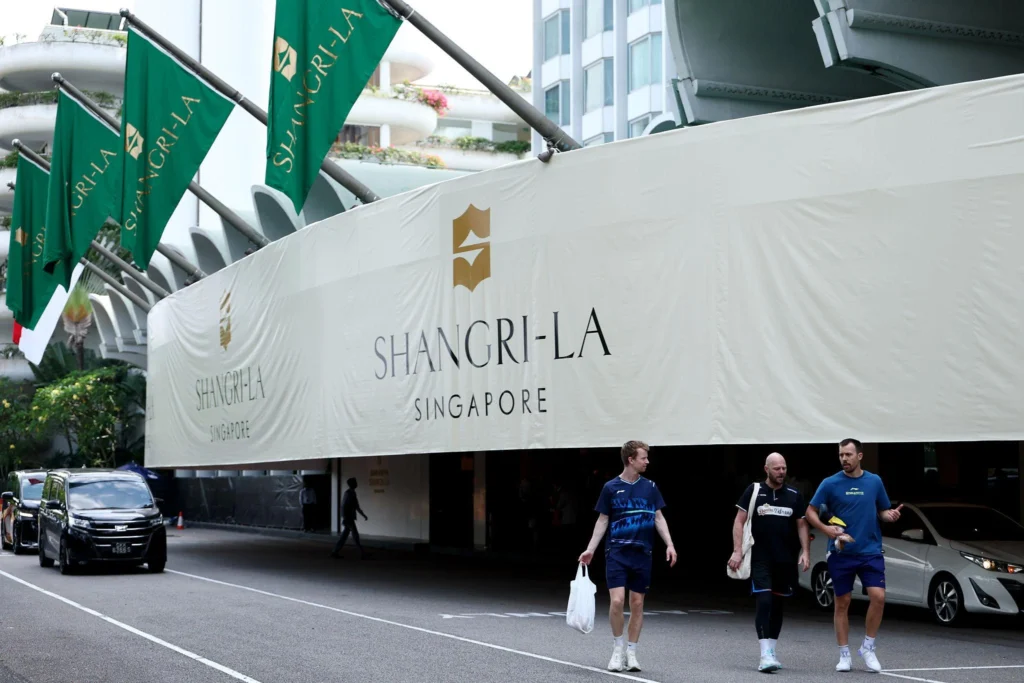
This year’s edition brings together 44 countries, 54 ministerial-level delegates, and more than 42 Chiefs of Defence Forces. The summit is taking place against an extraordinary backdrop: an active US-Iran conflict in the Middle East, an ongoing Russia-Ukraine war, escalating China-Taiwan tensions, and intensifying competition over Indo-Pacific shipping lanes.
US Secretary of Defense Pete Hegseth arrived in Singapore on Friday to attend and deliver plenary remarks. Australian Deputy Prime Minister Richard Marles is also attending, focusing on regional maritime security. Singapore’s Defence Minister Chan Chun Sing will speak on Saturday on the theme “Evolving Security Partnerships in a Fragmenting World” — a title that captures the current state of global geopolitics with remarkable precision.
The Middle East conflict and the Strait of Hormuz crisis are expected to dominate sidebar conversations at the summit, given their direct impact on energy security for every nation in the Asia-Pacific region.
Vietnam President Delivers Keynote at Shangri-La — Calls for Rules-Based Regional Order
In a significant diplomatic moment featured in the global headlines today may 30 2026, Vietnamese President Tô Lâm delivered the keynote address at the opening of the Shangri-La Dialogue on May 29, calling for a stable, rules-based regional security order in the Indo-Pacific. Vietnam’s selection as keynote speaker signals its growing strategic importance in Southeast Asian security architecture.

Tô Lâm’s remarks were closely watched for any signals about Vietnam’s position on the South China Sea, US-China competition, and the broader question of whether ASEAN nations can maintain strategic autonomy as great power rivalry intensifies. Vietnam has historically pursued a policy of balancing between major powers — maintaining strong trade ties with China while deepening security partnerships with the United States.
The address came as Timor-Leste President José Ramos-Horta was also scheduled to deliver a Special Address on May 30, making this year’s Shangri-La Dialogue unusually rich in high-level Southeast Asian participation.
Kuwait Intercepts Iranian Missiles — Ceasefire Under Strain Before Deal is Signed
In a development that adds acute urgency to Trump’s Situation Room deliberations, US Central Command confirmed that Kuwait intercepted missiles fired from Iran just hours before the 60-day MOU was reported as agreed. The interception took place within the last 48 hours and represents one of the most serious ceasefire violations since the pause was declared in late April.
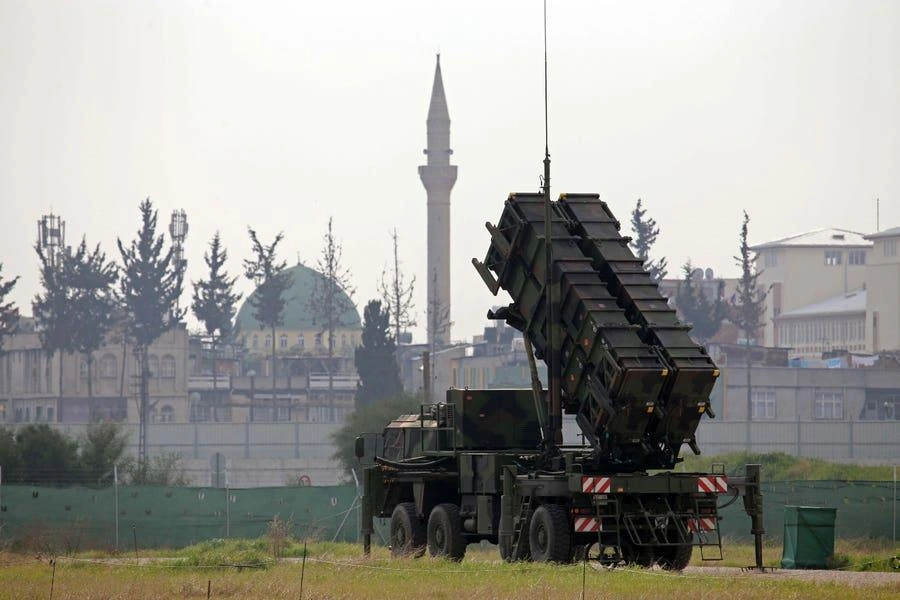
The incident underlines a fundamental problem with the current diplomatic situation: Iran’s central government and its military forces may not be operating in full coordination. Senior Iranian negotiators appear to be working toward a deal, but elements of the Islamic Revolutionary Guard Corps have continued aggressive actions that undermine the ceasefire.
The Kuwait missile interception also raises questions about the MOU’s enforceability. The proposed deal requires Iran to remove all sea mines from the Strait of Hormuz within 30 days — but if Iranian military units continue acting independently of diplomatic commitments, the practical implementation of any agreement faces serious obstacles — a crucial complication in the global headlines today may 30 2026.
India’s CDS Flies to Singapore for Bilateral Defence Talks on Indo-Pacific Strategy
Featuring prominently in the global headlines today may 30 2026 from Asia, India’s Chief of Defence Staff General Anil Chauhan arrived in Singapore on May 30 for a three-day visit to participate in the Shangri-La Dialogue, where he is scheduled to hold bilateral meetings with defence chiefs from Australia, the EU, France, Germany, Japan, the Philippines, the United Kingdom, and the United States.
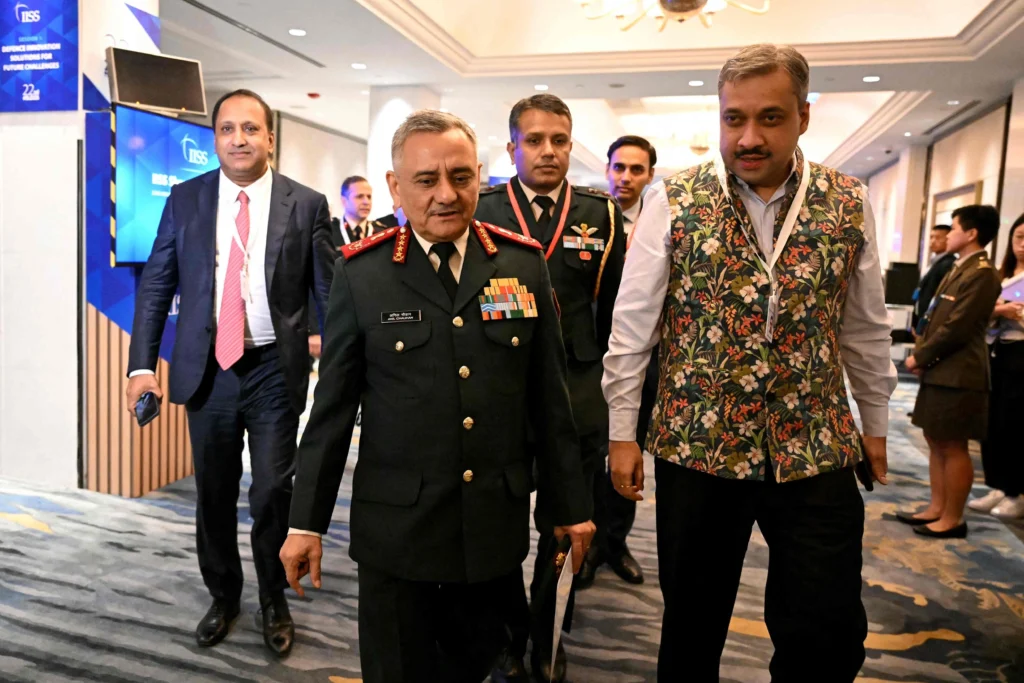
General Chauhan will also deliver a talk on “Future Wars and Warfare” to academics and think tanks at the dialogue — a signal that India is positioning itself not just as a participant in Indo-Pacific security conversations but as a thought leader in how the region understands military technology and conflict in the coming decades.
India’s vision for a stable, secure, and inclusive Indo-Pacific, articulated by Defence Secretary Rajesh Kumar Singh earlier in the week, emphasises defence industrial collaboration and security architecture partnerships. With the US focused on the Iran conflict and China watching the Strait of Hormuz situation closely, India’s role as a stabilising Indo-Pacific power is growing in strategic importance.
US Memorial Day Weekend: Largest Holiday Travel Surge Since 2019
Rounding out the global headlines today may 30 2026 from inside the US, May 30 marks the start of Memorial Day weekend — the unofficial start of summer — and the AAA is projecting this year’s travel volumes to be the largest since 2019, before the COVID-19 pandemic disrupted travel patterns globally. An estimated 42 million Americans are expected to travel over the long weekend, with road trips dominating despite fuel prices remaining elevated due to the Iran conflict.
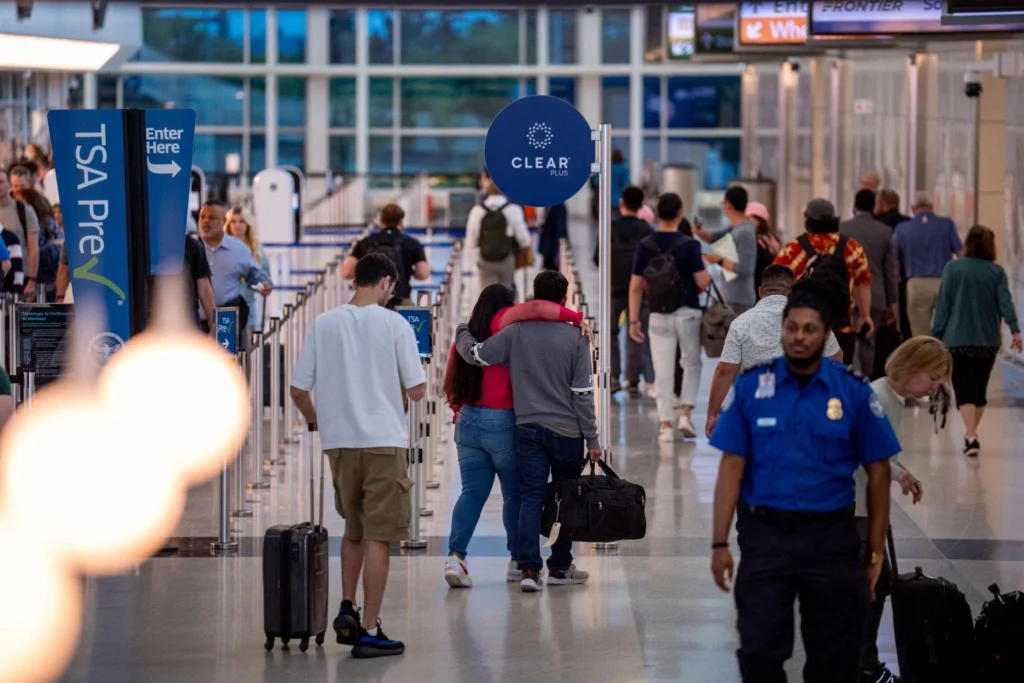
Air travel is also expected to hit near-record volumes, with airlines running at near-capacity on domestic routes. The holiday weekend is being watched closely by US economists as a leading indicator of consumer confidence — whether Americans are willing to spend on travel despite higher energy costs and ongoing geopolitical uncertainty is seen as a signal of domestic economic resilience.
Memorial Day also carries added significance this year given that the US has been engaged in an active military conflict with Iran since February 28, making this the first Memorial Day with American forces in a shooting war since the height of US involvement in Afghanistan.
Gaza Municipal Election Held in Deir al-Balah — First Vote in Years
In one of the more hopeful global headlines today may 30 2026, the city of Deir al-Balah held a municipal election on May 29 — the first local vote held in the territory in years. The election was organised under the framework of the existing Gaza ceasefire deal and represents a small but symbolic step toward civil governance in the territory.
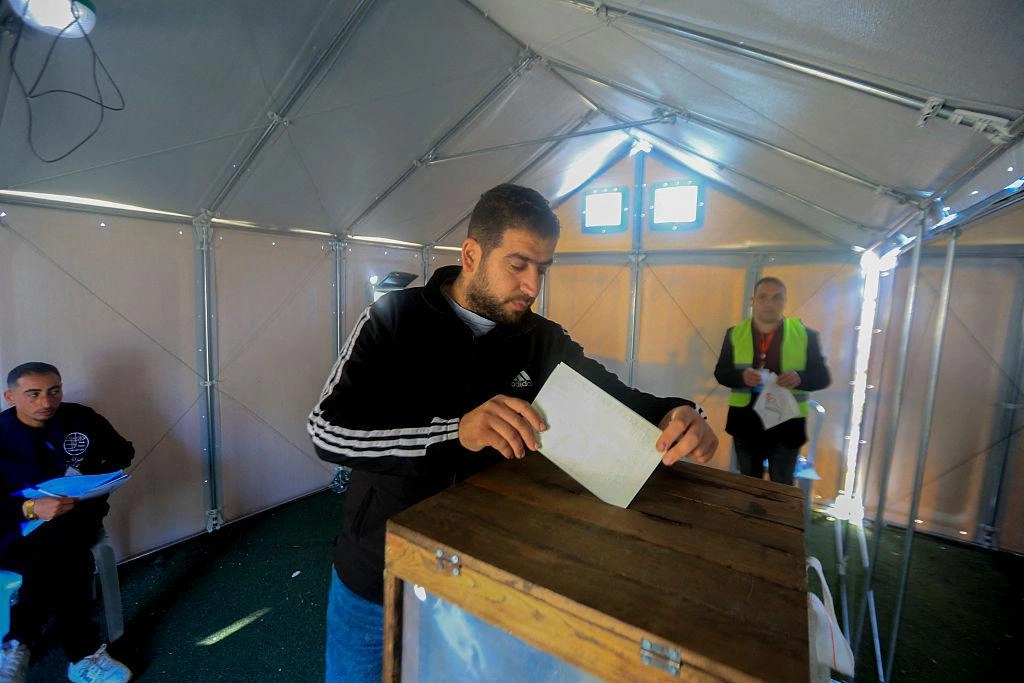
The vote took place even as Israel announced plans to expand its military control toward 70% of Gaza, creating a paradox: democratic processes being attempted in one corner of a territory simultaneously being further occupied in another. International observers noted the election as a positive development but cautioned that without a broader political settlement, local governance structures face enormous practical challenges.
Final Thoughts
The global headlines today May 30 2026 arrive at a genuine inflection point. Trump’s Situation Room meeting is not theatre — it is a real decision with real consequences for oil prices, for the Middle East, for global shipping, and for thousands of soldiers and civilians caught in an active conflict. The 19% oil crash in May tells you what markets believe will happen. Whether those markets are right depends entirely on what one man decides in the next 24 to 48 hours.
Meanwhile, another thread running through all the global headlines today may 30 2026 is the Shangri-La Dialogue in Singapore — a reminder that the world does not pause for any single crisis. Forty-four nations are gathered to discuss a region — the Indo-Pacific — that will define the shape of global power for the next fifty years, regardless of what happens in the Strait of Hormuz this weekend.
Stay with Informosio for your global headlines today may 30 2026 briefing every morning. The world moves fast. We keep up so you don’t have to.
FAQs
What is the most important story in the global headlines today May 30 2026? The most important story is Trump’s Situation Room meeting to decide whether to approve the 60-day US-Iran ceasefire memorandum of understanding. If signed, it would formally reopen the Strait of Hormuz and begin nuclear negotiations with Iran.
Why did oil prices fall so sharply in May 2026? Brent crude fell more than 19% in May — its worst month since the COVID-19 pandemic — as markets increasingly priced in the expectation that the US and Iran would reach a ceasefire deal and the Strait of Hormuz would reopen. WTI crude fell nearly 17% in the same period.
What is the Shangri-La Dialogue and why does it matter in 2026? The Shangri-La Dialogue is Asia’s premier annual defence summit, hosted by Singapore and organised by the IISS. In 2026 it is particularly significant because it is taking place during an active US-Iran conflict, ongoing Russia-Ukraine war, and intensifying Indo-Pacific tensions — making it the most consequential edition in years.
What is happening with Israel and Gaza in May 2026? Israel has expanded its military control inside Gaza from 53% to approximately 64% since the October 2025 ceasefire deal, and Prime Minister Netanyahu announced plans to expand further toward 70%. Peace talks with Hamas remain entirely stalled, and the civilian situation for Gaza’s two million residents is deteriorating.
What happened at the Israel-Lebanon Pentagon talks? Israel and Lebanon held a new round of peace talks at the Pentagon on May 29 as part of ongoing US-mediated negotiations. Despite a 45-day ceasefire extension, Israeli strikes in Lebanon and Hezbollah attacks on Israeli positions have continued. Hezbollah has publicly stated it will not respect any agreement reached between the two governments.
Explore More on Informosio
Stay updated with the latest developments across global affairs, India, technology, and trending insights.
👉 World News – Breaking world news, geopolitics, and international updates
👉 India News – Latest national updates, economy, policy, and breaking stories
👉 Daily Insights – Global trends and in-depth daily analysis
👉 Economy News – Oil prices, inflation, and global market updates
👉 Informosio Tech – AI, innovation, and future technologies