
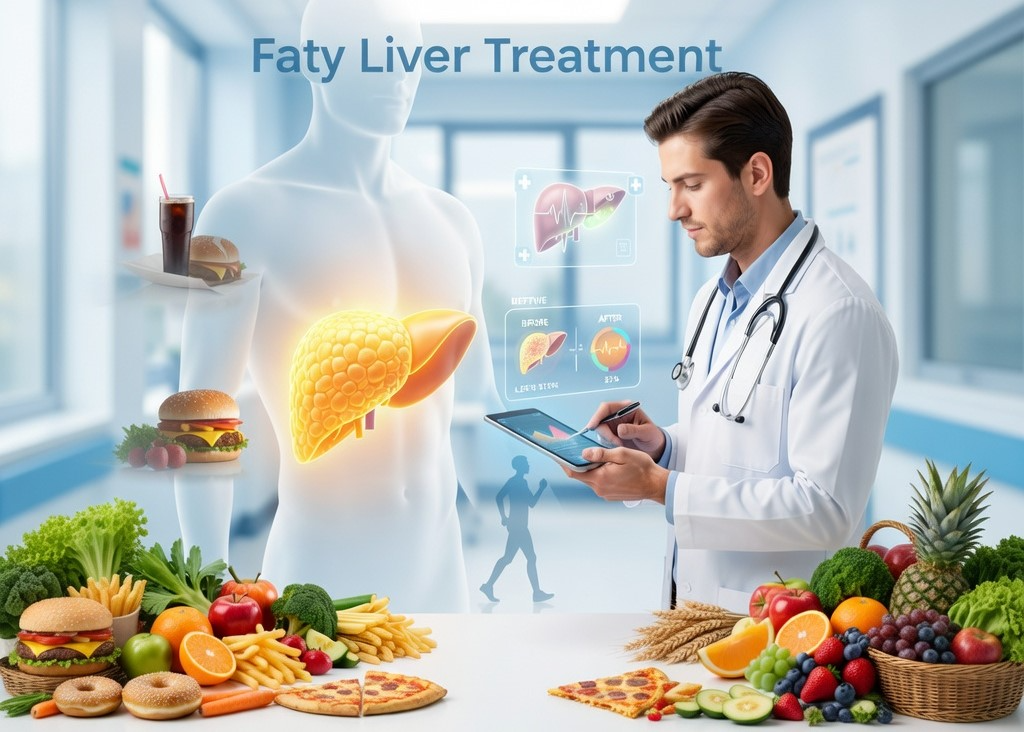
Fatty liver disease is becoming one of the most common health conditions worldwide, especially due to unhealthy lifestyles, poor diet, and lack of physical activity. The good news is that fatty liver treatment is possible and, in many cases, reversible when detected early. Understanding how this condition develops and how to manage it effectively can help protect your long-term liver health.
At Informosio, Fatty liver occurs when excess fat builds up in liver cells. This condition is often silent in the early stages, meaning many people do not realize they have it. However, if ignored, it can progress into serious complications such as liver inflammation, fibrosis, or even cirrhosis. This blog explains everything you need to know about fatty liver treatment in a simple, professional, and practical way.
What is Fatty Liver Disease?
Fatty liver disease is a condition where fat accumulates in the liver beyond normal levels. It is mainly divided into two types: alcoholic fatty liver disease and non-alcoholic fatty liver disease (NAFLD). The non-alcoholic type is more common and is strongly linked to obesity, diabetes, and metabolic disorders.
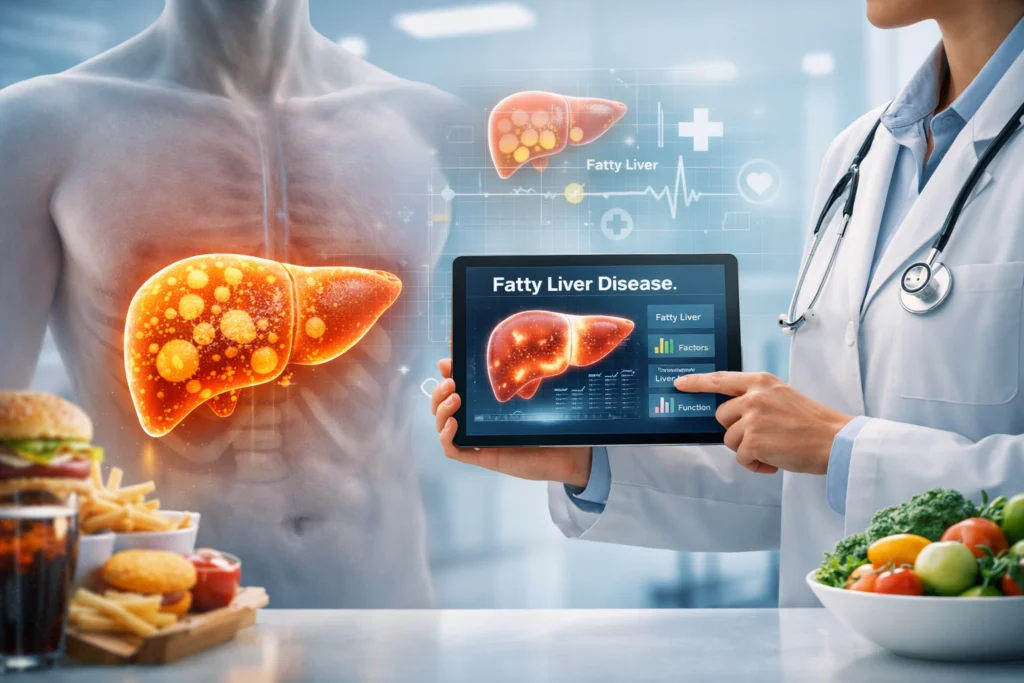
In its early stage, fatty liver may not cause noticeable symptoms. However, as the condition progresses, people may experience fatigue, discomfort in the upper right abdomen, or unexplained weight loss. Early diagnosis plays a key role in successful fatty liver treatment.
Main Causes Behind Fatty Liver
Fatty liver is not caused by a single factor. Instead, it develops due to a combination of lifestyle and metabolic issues.
The most common causes include poor dietary habits, excessive sugar intake, obesity, insulin resistance, and sedentary lifestyle. High consumption of processed foods, fried items, and sugary beverages significantly increases fat accumulation in the liver.
Medical conditions such as type 2 diabetes, high cholesterol, and metabolic syndrome also contribute heavily. In some cases, rapid weight loss, certain medications, or genetic factors may also play a role.
Understanding these causes is essential because fatty liver treatment focuses primarily on removing these risk factors.
Symptoms You Should Not Ignore
Fatty liver disease is often called a “silent disease” because symptoms may not appear early. However, as the condition progresses, some warning signs may become noticeable.
These include persistent fatigue, weakness, mild abdominal pain, and a feeling of fullness. In advanced stages, symptoms like swelling in the abdomen, yellowing of the skin (jaundice), and confusion may occur.
Recognizing these signs early can help you start fatty liver treatment before serious damage occurs.
Effective Fatty Liver Treatment Options
Fatty liver treatment focuses on reducing liver fat, improving metabolism, and preventing further damage. There is no single medicine that cures fatty liver instantly, but a combination of lifestyle changes and medical care can reverse the condition.
Lifestyle Changes as the First Step
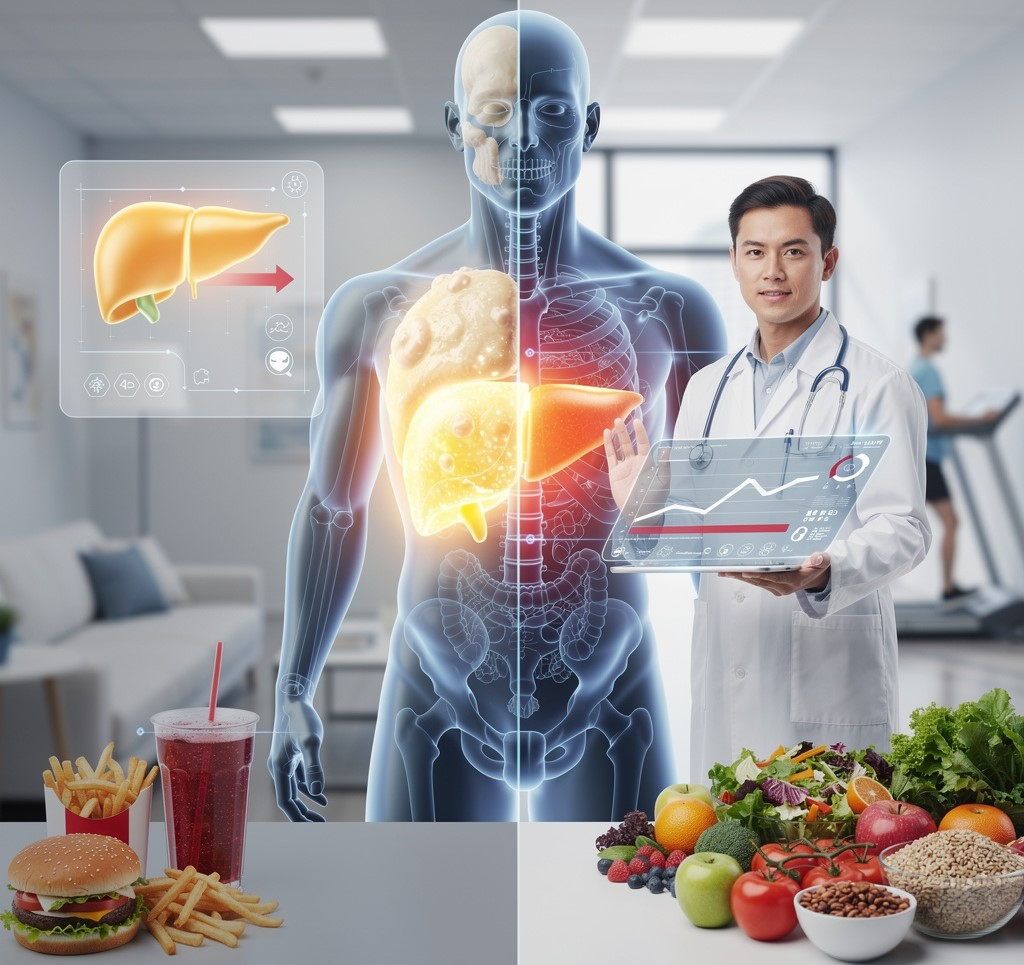
The most important part of fatty liver treatment is improving daily habits. Weight loss plays a major role. Losing even 5–10% of body weight can significantly reduce liver fat.
Regular physical activity helps improve insulin sensitivity and burn excess fat. A combination of aerobic exercise and strength training is highly effective.
Dietary Modifications for Liver Health
Diet is one of the most powerful tools in fatty liver treatment. A healthy diet should include:
- Fresh fruits and vegetables
- Whole grains
- Lean protein sources like fish and legumes
- Healthy fats such as nuts and olive oil
Avoid foods high in sugar, refined carbohydrates, and saturated fats. Reducing processed food intake is essential for recovery.
Medical Treatment and Monitoring
In some cases, doctors may prescribe medications to control underlying conditions such as diabetes, cholesterol, or obesity. Regular liver function tests and imaging studies help monitor progress.
Medical supervision ensures that fatty liver treatment remains safe and effective.
Best Foods vs Worst Foods for Fatty Liver
| Category | Recommended Foods | Foods to Avoid |
|---|---|---|
| Fruits & Vegetables | Apples, spinach, broccoli | Sugary canned fruits |
| Proteins | Fish, lentils, eggs | Processed meats |
| Grains | Brown rice, oats | White bread, refined flour |
| Beverages | Green tea, water | Sugary drinks, alcohol |
| Fats | Nuts, olive oil | Fried foods, trans fats |
A balanced diet not only supports fatty liver treatment but also improves overall health.
How Long Does Recovery Take?
The recovery time varies depending on the severity of the condition and how strictly treatment is followed. In early stages, noticeable improvement can occur within a few months of consistent lifestyle changes.
However, advanced stages may take longer and require close medical supervision. The key to successful fatty liver treatment is consistency and long-term commitment rather than quick fixes.
Prevention is Better Than Cure
Preventing fatty liver is much easier than treating advanced stages. Maintaining a healthy weight, eating a balanced diet, and staying physically active are the most effective preventive measures.
Avoid excessive alcohol consumption and manage conditions like diabetes and cholesterol. Regular health check-ups can help detect early signs and start fatty liver treatment before complications arise.
Final Thoughts on Fatty Liver Treatment
Fatty liver treatment is not about quick solutions but about long-term lifestyle improvement. With the right combination of healthy eating, regular exercise, and medical guidance, it is possible to reverse the condition and protect your liver.
Ignoring fatty liver can lead to serious complications, but taking action early can make a significant difference. Start small, stay consistent, and focus on sustainable changes. Your liver has a strong ability to heal—give it the support it needs.
Visit our Health & Wellness section regularly to keep learning, growing, and working securely in the digital economy.
Frequently Asked Questions
What is the fastest way for fatty liver treatment?
The fastest approach involves weight loss, a healthy diet, and regular exercise. There is no instant cure, but consistent effort brings quick improvements.
Can fatty liver be completely cured?
Yes, in early stages, fatty liver can be reversed with proper fatty liver treatment and lifestyle changes.
Is fatty liver dangerous?
If untreated, it can progress to serious conditions like liver cirrhosis or liver failure.
Which diet is best for fatty liver treatment?
A diet rich in fruits, vegetables, whole grains, and lean proteins is ideal.
Can exercise alone cure fatty liver?
Exercise helps significantly, but it must be combined with dietary changes for effective fatty liver treatment.
Is medication necessary for fatty liver?
Not always. Lifestyle changes are the primary treatment, but medication may be needed for related conditions.
How can I detect fatty liver early?
Regular health check-ups, blood tests, and ultrasound scans can help in early detection.
🌐 Connect With Us
👉 Informosio Official – General updates, current affairs, and informative content.