
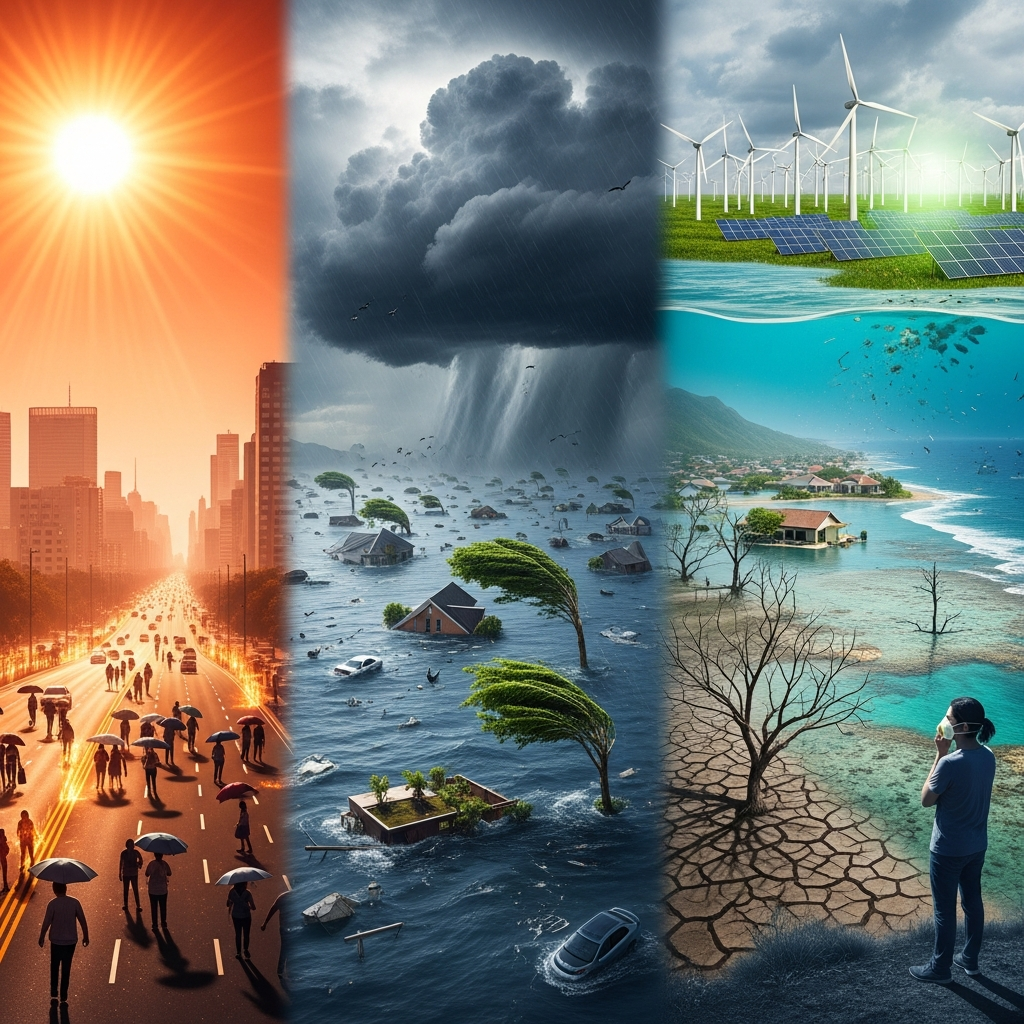
Climate Change 2026 is no longer a distant warning—it is a present reality shaping economies, ecosystems, and human health worldwide. Scientific data shows that Earth’s climate system is increasingly out of balance, with rising temperatures, extreme weather events, and shifting environmental patterns becoming more frequent and intense. As nations attempt to respond, the gap between climate commitments and real-world outcomes remains a critical concern.
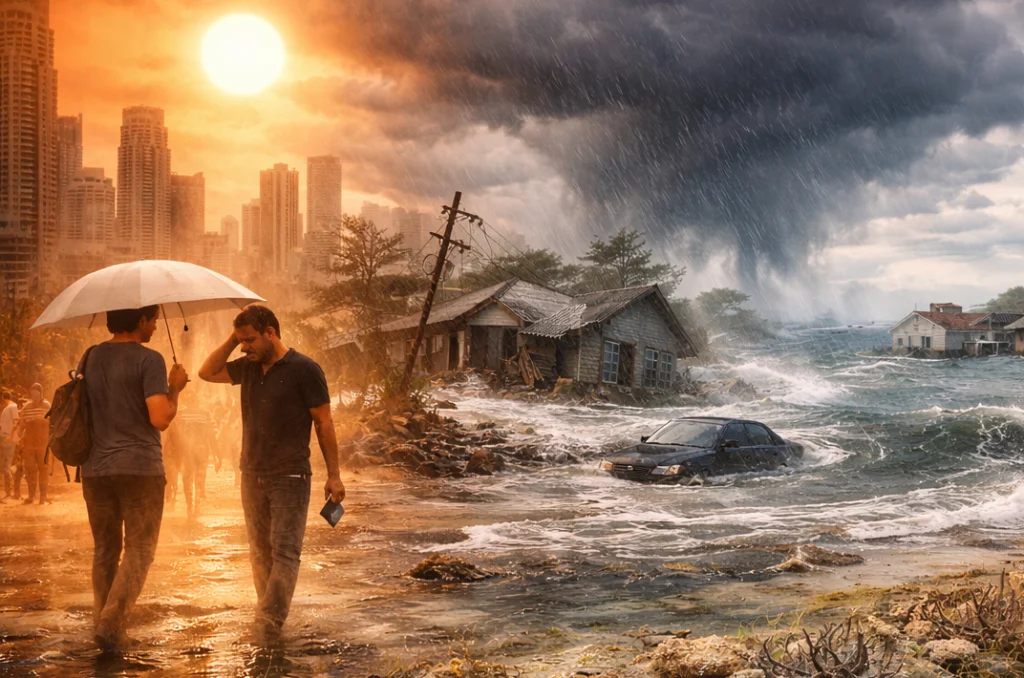
At Informosio, In 2026, climate change is not just an environmental issue but a defining global challenge affecting agriculture, public health, infrastructure, and economic stability. Understanding its impacts, the actions being taken, and the risks ahead is essential for individuals, governments, and businesses alike.
Understanding Climate Change 2026
Climate Change 2026 refers to the current phase of global warming and environmental disruption driven primarily by human activities such as fossil fuel combustion, deforestation, and industrial emissions. Scientific reports indicate that greenhouse gas concentrations are at record highs, pushing global temperatures closer to critical thresholds.
The balance between incoming solar radiation and outgoing heat energy is increasingly disrupted. This imbalance is causing accelerated warming, melting ice caps, rising sea levels, and unpredictable climate systems. The urgency of Climate Change 2026 lies in the speed at which these changes are occurring, leaving limited time for corrective action.
Key Global Impacts of Climate Change 2026
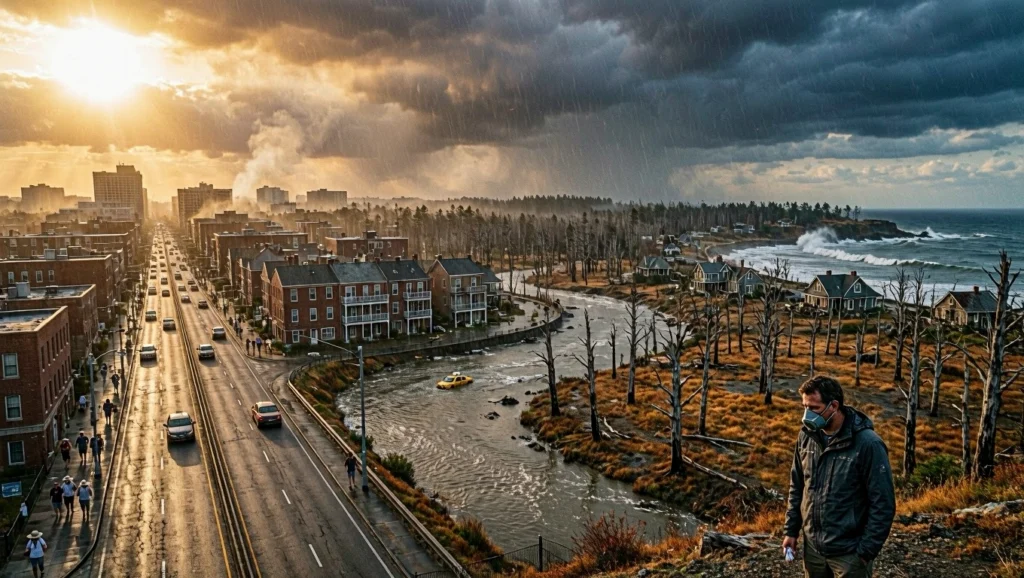
The impacts of Climate Change 2026 are visible across multiple sectors, affecting both natural ecosystems and human societies.
Rising Global Temperatures
Global temperatures have continued to rise steadily, with recent years ranking among the hottest on record. Heatwaves are becoming longer and more intense, affecting millions of people worldwide. Urban areas, in particular, are experiencing extreme heat due to the “heat island” effect.
Extreme Weather Events
Climate Change 2026 has intensified extreme weather patterns. Floods, cyclones, droughts, and wildfires are occurring with greater frequency and severity. These events disrupt livelihoods, damage infrastructure, and lead to significant economic losses.
Sea-Level Rise
Melting glaciers and polar ice caps are contributing to rising sea levels. Coastal regions face increasing risks of flooding, erosion, and displacement. Small island nations are among the most vulnerable, with some facing existential threats.
Impact on Biodiversity
Ecosystems are under severe stress due to changing temperatures and weather patterns. Species are migrating, adapting, or facing extinction. Coral reefs, forests, and wetlands are particularly vulnerable in Climate Change 2026.
Human Health Risks
Climate change is directly impacting public health. Increased heat exposure, air pollution, and the spread of infectious diseases are major concerns. Vulnerable populations, including children and the elderly, are at higher risk.
Climate Change 2026 and Economic Consequences
Climate Change 2026 is emerging as a defining economic variable, especially in developing countries like India. The economic impact is multifaceted, affecting agriculture, energy systems, and infrastructure.
Agriculture is particularly sensitive to climate variability. Changing rainfall patterns and temperature extremes are reducing crop yields and increasing food insecurity. Farmers face uncertainty, leading to economic instability in rural areas.
Energy demand is also shifting. Rising temperatures increase the need for cooling, putting pressure on electricity systems. At the same time, renewable energy investments are growing as countries attempt to transition away from fossil fuels.
Infrastructure damage caused by extreme weather events is another major economic burden. Governments are required to invest heavily in rebuilding and climate-resilient infrastructure, diverting resources from other development priorities.
Global Actions Against Climate Change 2026
Efforts to combat Climate Change 2026 are ongoing at international, national, and local levels. Governments, organizations, and individuals are working toward reducing emissions and adapting to changing conditions.
International Climate Agreements
Global cooperation remains essential in addressing climate change. Agreements like the Paris Accord continue to guide emission reduction targets and climate policies. Countries are updating their commitments to limit global warming.
Transition to Renewable Energy
Renewable energy sources such as solar, wind, and hydro are becoming central to climate action strategies. Investments in clean energy technologies are increasing, reducing reliance on fossil fuels.
Climate Adaptation Strategies
Adaptation measures are being implemented to reduce vulnerability. These include building resilient infrastructure, improving water management systems, and developing climate-resistant crops.
Corporate and Technological Innovations
Businesses are playing a crucial role in Climate Change 2026. Companies are adopting sustainable practices, reducing carbon footprints, and investing in green technologies. Innovations such as carbon capture and energy-efficient systems are gaining importance.
Future Risks of Climate Change 2026
Despite ongoing efforts, the future risks associated with Climate Change 2026 remain significant. If current trends continue, the consequences could be severe and irreversible.
One major risk is crossing critical climate tipping points. These include the melting of major ice sheets, collapse of ecosystems, and disruption of ocean currents. Such changes could accelerate global warming beyond control.
Food and water security are also at risk. Climate variability may lead to shortages, increasing the likelihood of conflicts and migration. Regions already facing resource scarcity will be particularly affected.
Another concern is the widening inequality gap. Developing nations, which contribute less to global emissions, are often the most impacted by climate change. This creates challenges in achieving global climate justice.
Climate Change 2026: A Data Snapshot
| Indicator | Current Trend (2026) | Impact Level |
|---|---|---|
| Global Temperature | Rising steadily | High |
| Sea Levels | Increasing annually | High |
| Extreme Weather Events | More frequent & intense | Severe |
| Carbon Emissions | Near record levels | Critical |
| Renewable Energy Adoption | Rapid growth | Positive |
The Path Forward
Addressing Climate Change 2026 requires urgent and collective action. Governments must strengthen policies, industries must innovate sustainably, and individuals must adopt environmentally responsible behaviors.
Reducing carbon emissions remains the most critical step. Transitioning to clean energy, improving energy efficiency, and protecting natural ecosystems are essential strategies. Public awareness and education also play a key role in driving change.
Climate Change 2026 is a global challenge, but it also presents an opportunity to build a more sustainable and resilient future. The choices made today will determine the trajectory of the planet for generations to come.
Conclusion
Climate Change 2026 highlights a critical turning point for humanity. The evidence is clear, the impacts are visible, and the risks are escalating. While global actions are underway, they must accelerate to match the scale of the crisis. Governments, businesses, and individuals all have a role to play in shaping a sustainable future.
The challenge of Climate Change 2026 is immense, but so is the opportunity to transform our world. With informed decisions, innovative solutions, and collective effort, it is still possible to mitigate risks and build a resilient planet for future generations.
You can also visit our Environment Category.
Frequently Asked Questions (FAQs)
What is Climate Change 2026?
Climate Change 2026 refers to the current state of global climate disruption, including rising temperatures, extreme weather events, and environmental imbalances caused by human activities.
Why is Climate Change 2026 important?
It is important because it affects ecosystems, economies, and human health globally, making it one of the most pressing challenges of our time.
What are the main causes of Climate Change 2026?
The primary causes include greenhouse gas emissions from fossil fuels, deforestation, industrial activities, and unsustainable land use.
How does Climate Change 2026 impact human health?
It increases risks such as heat-related illnesses, respiratory problems, and the spread of infectious diseases.
What actions are being taken globally?
Countries are adopting renewable energy, implementing climate policies, and participating in international agreements to reduce emissions.
What are the future risks of Climate Change 2026?
Future risks include food and water shortages, economic instability, ecosystem collapse, and increased global inequality.
Can Climate Change 2026 be reversed?
While it cannot be completely reversed, its impacts can be significantly reduced through strong global action and sustainable practices.
🌐 Connect With Us
👉 Informosio Official – General updates, current affairs, and informative content