Biotechnology
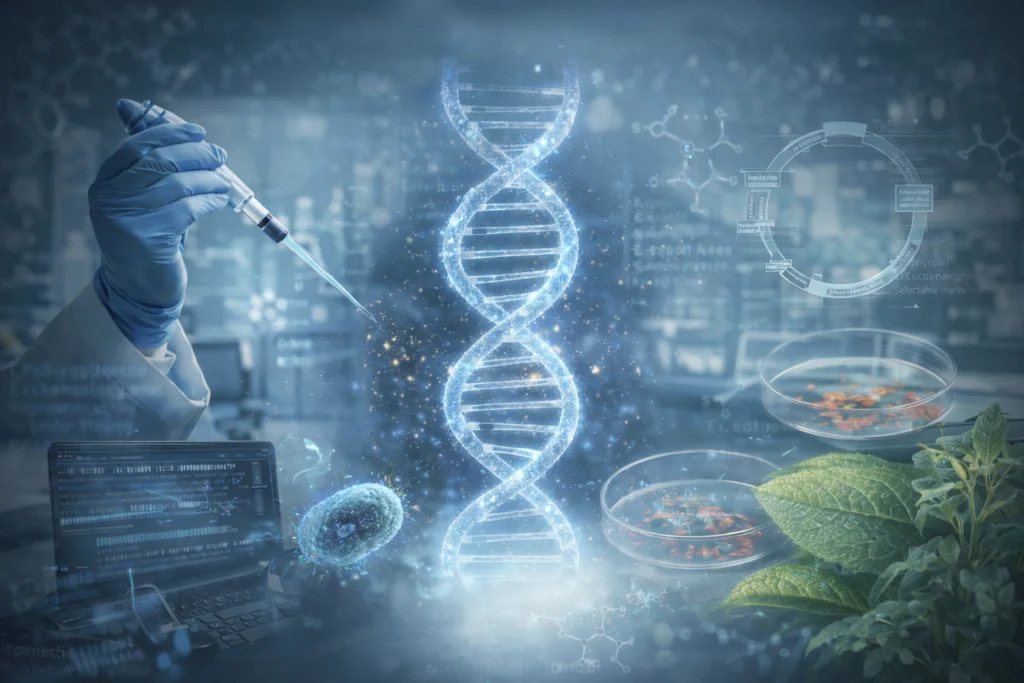
Biotechnology is one of the most dynamic and transformative fields of modern science. It represents the fusion of biology with technology to create products and processes that improve human life and the health of the planet. At its core, biotechnology involves the use of living organisms, cells, cellular components, or biological systems to develop technologies in areas such as medicine, agriculture, industry, and environmental management. Because of its vast scope and practical impact, biotechnology has become a central subject in biological education and scientific research worldwide.
Although biotechnology appears to be a recent scientific breakthrough, its roots extend back thousands of years. Early humans unknowingly practiced primitive biotechnology when they used microorganisms for fermentation. The production of bread, curd, cheese, wine, and beer are classic examples. Farmers also used selective breeding to enhance desirable traits in plants and animals. These traditional practices laid the foundation for modern biotechnology, even though the underlying genetic mechanisms were not understood at that time.
What is the definition of Biotechnology?
Biotechnology is a broad and multidisciplinary branch of biological science that involves the application of living organisms, biological processes, or cellular components to develop technologies and products useful to human society. It integrates knowledge from genetics, molecular biology, microbiology, biochemistry, cell biology, and engineering to manipulate biological systems in a controlled and purposeful way. The main objective of biotechnology is to harness biological mechanisms for improving the quality of life, enhancing agricultural productivity, advancing medical treatments, and promoting environmental sustainability.
Biotechnology is the use of living organisms, cells, enzymes, or biological systems to develop products and technologies that benefit humans.
In simple terms, biotechnology means using life forms or their biological machinery to make useful goods. These life forms may include microorganisms such as bacteria and fungi, plant cells, animal cells, or even isolated enzymes and genes. Scientists study how these biological agents function and then modify or optimize them to perform specific tasks more efficiently.
Biotechnology operates at multiple biological levels. At the molecular level, it involves manipulating DNA and genes through techniques such as recombinant DNA technology and gene editing. At the cellular level, it includes tissue culture, hybridoma technology, and stem cell research. At the organism level, it includes genetic modification, cloning, and selective breeding. This multi-level approach makes biotechnology one of the most powerful tools in modern science.
Historically, biotechnology began with simple practices such as fermentation used in bread, yogurt, and alcohol production. However, modern biotechnology has advanced far beyond these traditional methods. Today, scientists can transfer genes between unrelated species, create genetically modified crops, produce synthetic vaccines, and even explore gene therapy for inherited diseases. These advancements are possible because all living organisms share a common genetic code, allowing genes to function across species barriers.
Biotechnology has widespread applications. In medicine, it enables the production of insulin, antibiotics, vaccines, monoclonal antibodies, and diagnostic kits. In agriculture, it supports the development of pest-resistant and nutrient-enriched crops. In industry, it contributes to enzyme technology, biofuels, and biodegradable materials. In environmental science, it aids in waste treatment and bioremediation of polluted ecosystems.
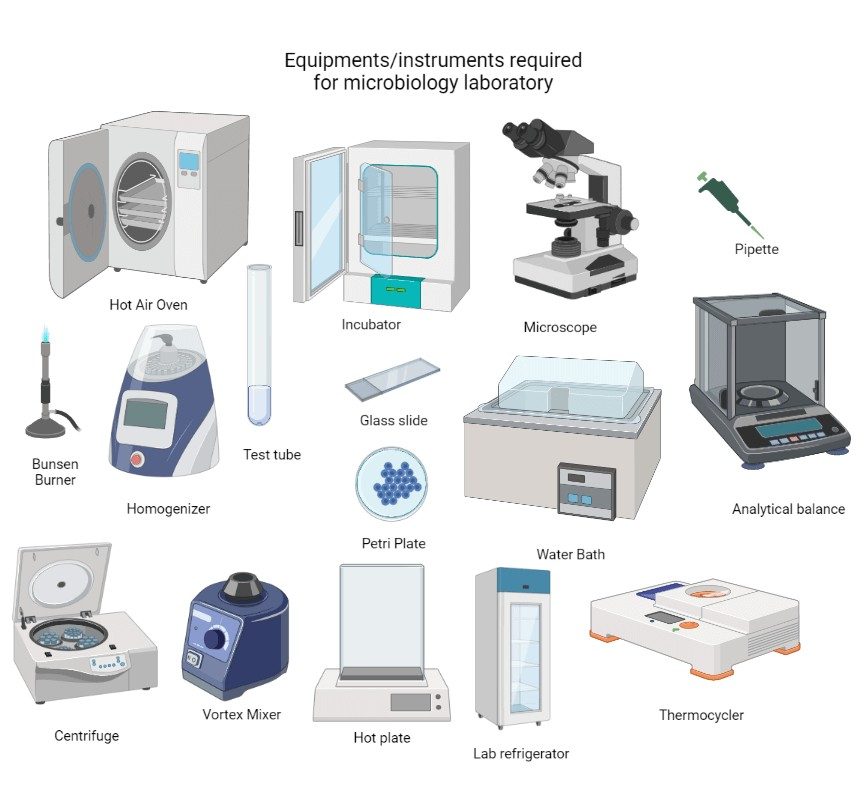
Another defining feature of biotechnology is its reliance on specialized tools and techniques. Instruments such as bioreactors, fermenters, gene sequencers, and PCR machines allow scientists to culture cells, amplify DNA, and manufacture biological products on a large scale. These technologies bridge laboratory research with real-world industrial production.
Biotechnology is also guided by ethical and safety considerations. Because it involves genetic manipulation and living systems, strict regulations and bioethical frameworks are necessary to prevent misuse and protect ecological balance. Issues such as genetic privacy, biosafety, and environmental impact are integral to biotechnology governance.
In academic education, biotechnology is studied not only for its theoretical concepts but also for its practical implications. Students learn how biological knowledge is translated into technological innovation. This makes biotechnology a career-oriented discipline with opportunities in pharmaceuticals, agriculture, research, environmental management, and industrial production.
In conclusion, biotechnology represents the scientific utilization of life processes to serve human needs. By combining biological understanding with technological innovation, it continues to revolutionize healthcare, food systems, industry, and environmental conservation, making it one of the most significant scientific fields of the 21st century.
Simple Definition
Biotechnology means using life to make useful things.
It is a field of science that uses living organisms, cells, or natural biological processes to create helpful products such as medicines, improved crops, and eco-friendly industrial materials. It combines biological knowledge with modern technology to solve problems related to health, agriculture, industry, and the environment.
In simple words, it is the practical use of living systems to improve human life.
Scientific Definition
It is a multidisciplinary scientific field that integrates molecular biology, genetics, microbiology, and biochemistry to manipulate living systems for practical purposes. It focuses on applying biological knowledge and techniques to develop useful products, processes, and technologies that improve human life and environmental sustainability.
It is the controlled use of biological agents such as microorganisms or cellular components for industrial, medical, and agricultural applications.
At the scientific level, it involves genetic modification, enzyme technology, cell culture techniques, and recombinant DNA methods to enhance or alter biological functions in a precise and regulated manner.
Historical Background of Biotechnology
The development of this field has evolved gradually over thousands of years, moving from simple traditional practices to highly advanced genetic techniques. Its history can be divided into ancient practices and modern scientific advancements.
Biotechnology is not entirely new. Humans have used basic forms of biotechnology for thousands of years.
Ancient Biotechnology
Early civilizations unknowingly applied biological principles in daily life. Some important examples include:
- Fermentation to make bread, beer, and wine
- Curd and cheese production
- Selective breeding of crops and animals
In these practices, people relied on natural microorganisms and heredity, even though they did not understand genes or DNA. Farmers selected plants and animals with desirable traits such as higher yield, better taste, or disease resistance, gradually improving species over generations.
Transition to Modern Era
The scientific foundation began to strengthen in the 19th century with the work of scientists like Louis Pasteur, who explained the role of microorganisms in fermentation. Later, Gregor Mendel’s experiments on pea plants revealed the basic laws of inheritance.
The discovery of DNA as the genetic material and the understanding of its structure in the 20th century transformed this field completely. Recombinant DNA technology developed in the 1970s allowed scientists to cut and join genetic material, leading to modern genetic engineering.
Today, what began as simple fermentation and breeding practices has advanced into precise gene editing, cloning, and molecular research, marking a remarkable journey from traditional methods to sophisticated scientific innovation.
Modern Biotechnology
Modern biotechnology refers to the advanced application of molecular biology and genetic engineering techniques to manipulate DNA, cells, and biological systems in a precise and controlled manner. It involves direct modification of genetic material to develop improved medicines, crops, industrial products, and diagnostic tools.
Unlike traditional practices such as fermentation and selective breeding, modern approaches focus on understanding and altering genes at the molecular level. Scientists can now isolate, modify, and transfer specific genes between organisms to achieve desired traits.
Modern biotechnology began with discoveries such as:
- DNA structure (Watson and Crick, 1953)
- Recombinant DNA technology (1970s)
- Human Genome Project
- CRISPR gene editing
These breakthroughs transformed biological science. The discovery of DNA structure revealed how genetic information is stored and transmitted. Recombinant DNA technology enabled scientists to cut and join genetic material from different sources. The Human Genome Project mapped the entire human genetic sequence, providing valuable insights into genes and diseases. CRISPR gene editing introduced a highly accurate method for modifying genes, making genetic manipulation faster and more efficient.
Today, modern techniques are widely used in medical research, agriculture, industry, and environmental management, making this field one of the most powerful tools in contemporary science.
Biotechnology Principles
Biotechnology is based on certain fundamental principles that make genetic manipulation possible.
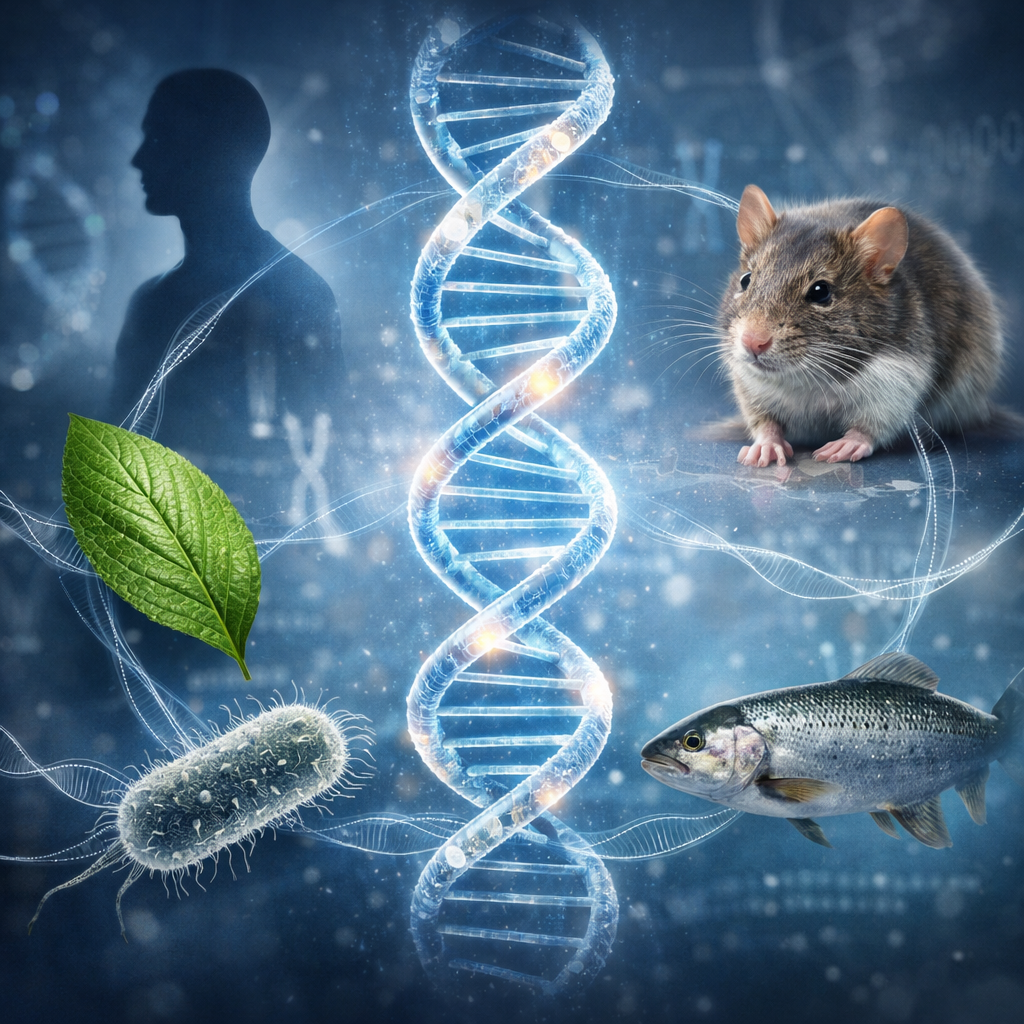
1. Genetic Material is Universal
One of the fundamental principles of modern biological technology is the universality of genetic material.
All living organisms use DNA as genetic material. Because of this universality:
- Genes from one organism can function in another.
- Example: Human insulin gene inserted into bacteria.
This means that the genetic code is common to almost all life forms. Because the same code is shared, a gene taken from one species can be read and expressed correctly in a completely different species. This principle makes genetic engineering and recombinantDNA techniques possible, allowing scientists to produce useful proteins and medicines using microorganisms.
2. Restriction Enzymes
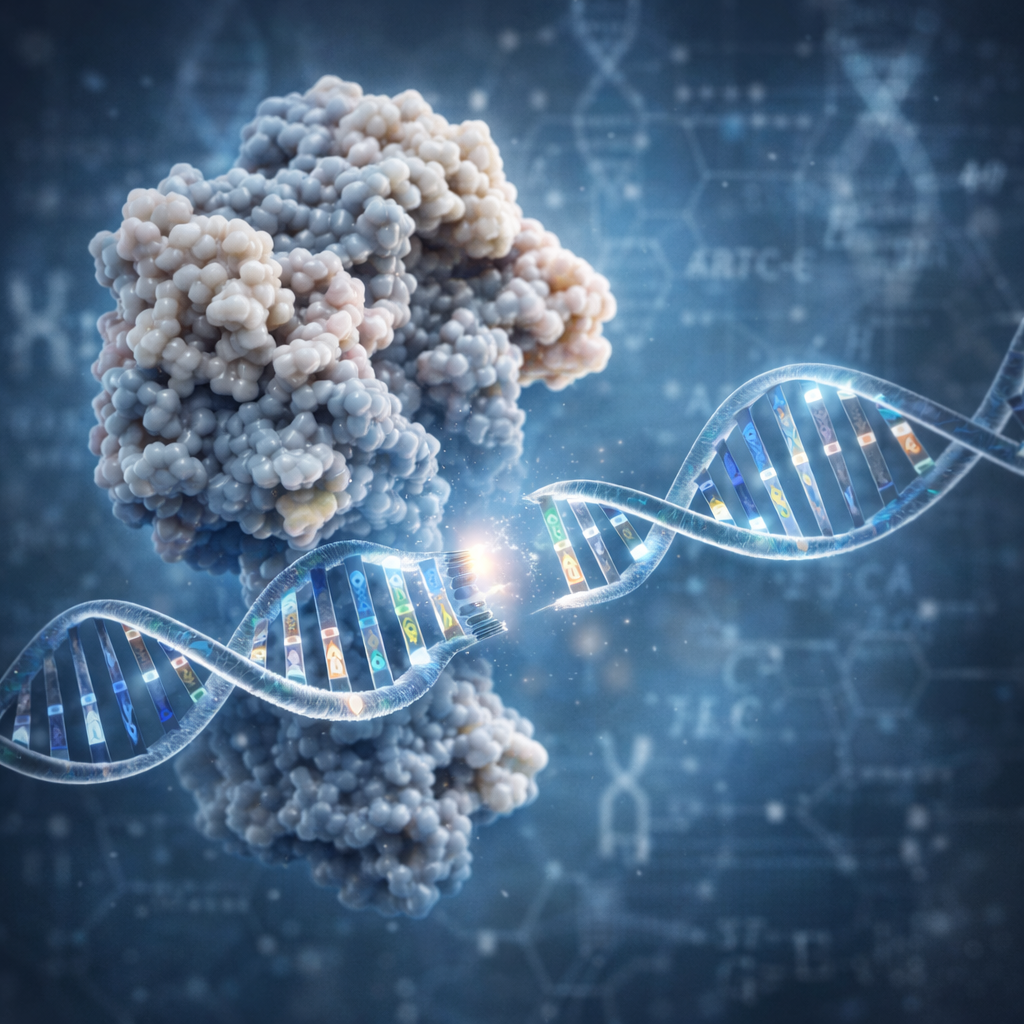
Restriction enzymes are special proteins used in genetic engineering to cut DNA at precise locations. They play a key role in modifying genetic material for research and industrial purposes.
Restriction enzymes act as molecular scissors.
Functions
- Cut DNA at specific sequences.
- Produce sticky or blunt ends.
- Allow gene insertion.
By cutting DNA at defined recognition sites, these enzymes create fragments that can be joined with other DNA pieces. This makes it possible to insert desired genes into vectors or host cells for further study or production of useful biological products.
3. DNA Ligase
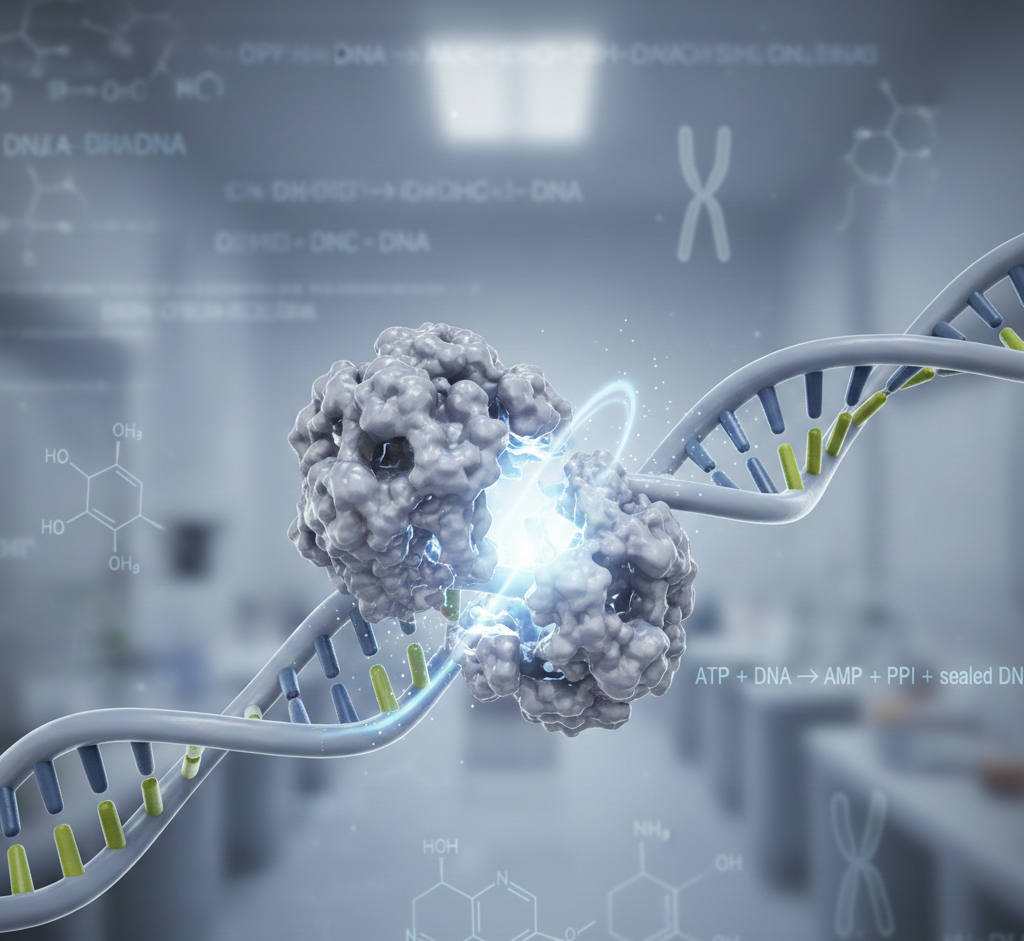
DNA ligase is an important enzyme used in genetic engineering to join pieces of DNA together. It plays a crucial role after DNA has been cut by restriction enzymes.
DNA ligase acts as molecular glue.
Functions
- Joins DNA fragments.
- Forms recombinant DNA.
By sealing breaks in the sugar-phosphate backbone of DNA, this enzyme connects separate DNA fragments into a continuous strand. This process allows scientists to create recombinant DNA molecules that can be inserted into host cells for further study or production of useful proteins.
4. Cloning Vectors
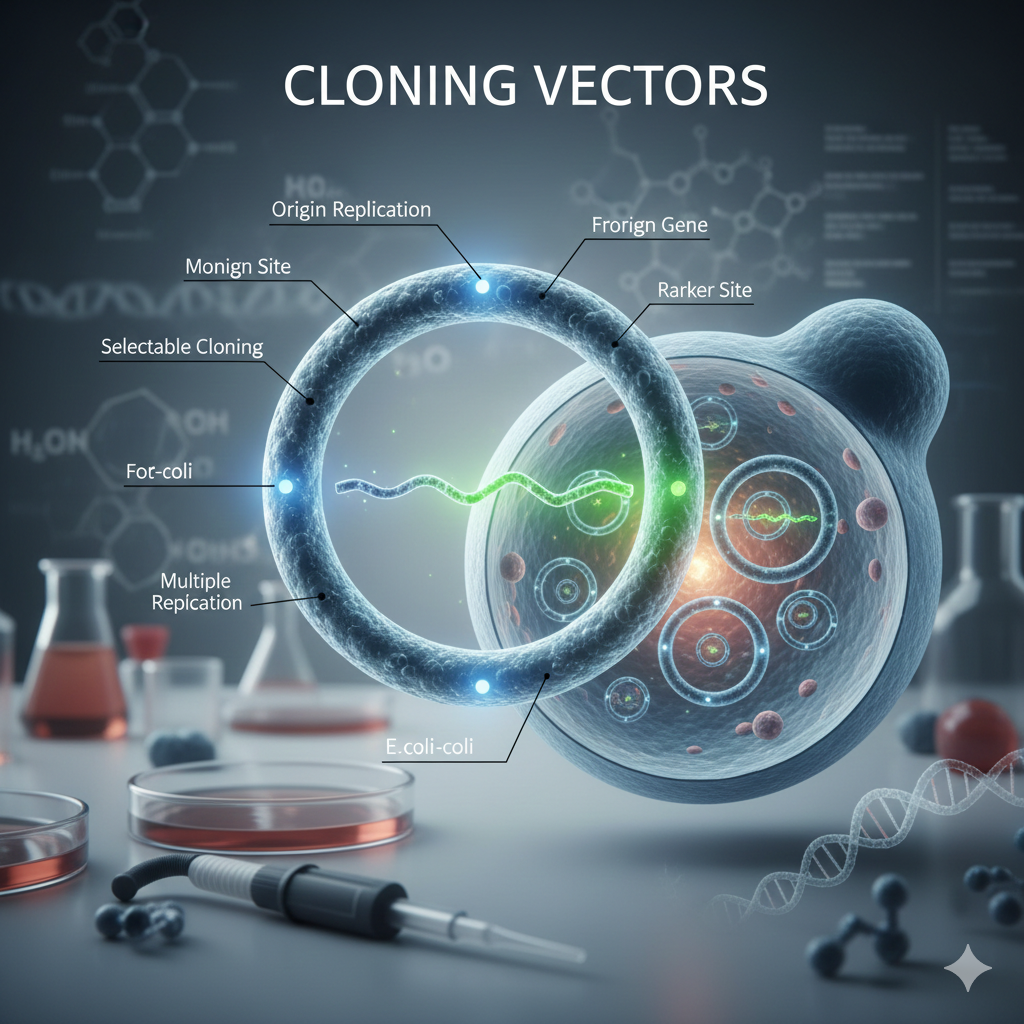
Cloning vectors are DNA molecules used to transfer a desired gene into a host cell for replication and expression. They act as carriers that help introduce foreign genetic material into microorganisms or other cells for research and production purposes.
Vectors carry foreign genes into host cells.
Examples:
- Plasmids
- Bacteriophages
- Cosmids
These vectors contain important features such as an origin of replication, selectable marker genes, and restriction sites. Once the foreign gene is inserted into the vector, it can multiply inside the host cell, producing multiple copies for further study or protein production.
5. Host Organisms
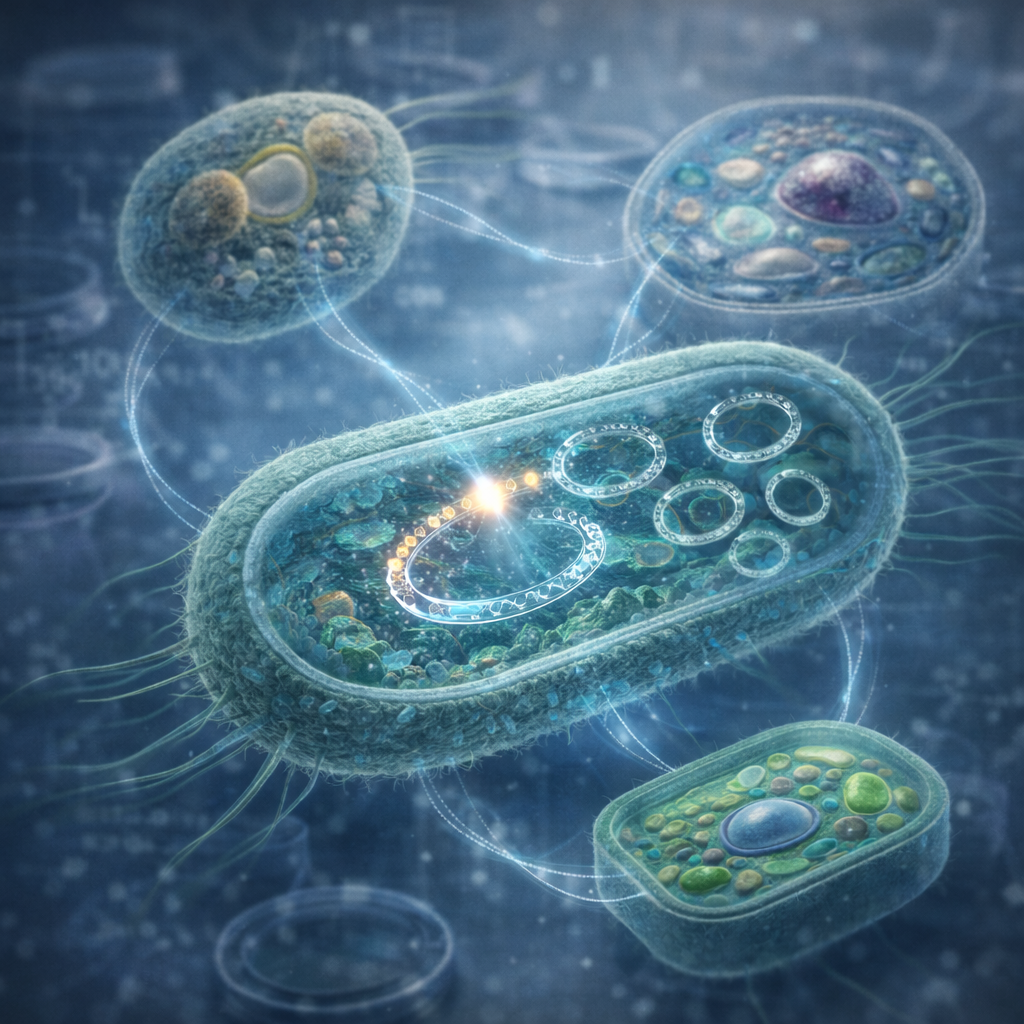
Host organisms are living cells used to receive and express foreign DNA during genetic engineering processes. After a desired gene is inserted into a suitable vector, it is introduced into a host cell where it can multiply and produce the required protein.
Host cells replicate inserted DNA.
Common hosts:
- Bacteria (E. coli)
- Yeast
- Plant cells
- Animal cells
These hosts are chosen based on the type of product required. For example, bacteria grow rapidly and are commonly used for producing simple proteins, while yeast and animal cells are used when more complex protein processing is needed.
Genetic Engineering
Definition
Genetic engineering is a modern scientific technique used to directly alter the genetic material of an organism. It allows scientists to add, remove, or modify specific genes to achieve desired characteristics.
Genetic engineering is the deliberate modification of an organism’s DNA to obtain desired traits.
It is a core technique in biotechnology.
Through this method, new traits such as disease resistance, improved yield, or production of useful proteins can be introduced into plants, animals, or microorganisms in a precise and controlled manner.
Steps in Genetic Engineering
Step 1: Identification of Gene
Scientists identify the gene responsible for a desired trait.
Example: Insulin gene in humans.
Step 2: Isolation of DNA
DNA is extracted from donor cells.
Step 3: Cutting DNA
Restriction enzymes cut the gene and vector DNA.
Step 4: Formation of Recombinant DNA
DNA ligase joins donor gene with vector.
Step 5: Gene Transfer
Recombinant DNA is introduced into host cells.
Methods include:
- Transformation
- Microinjection
- Gene gun
Step 6: Selection and Expression
Modified cells are selected and cultured to express the gene.
Diagram Description in Words
A typical genetic engineering diagram shows:
- Donor DNA with target gene
- Restriction enzyme cutting DNA
- Plasmid vector opened
- Gene insertion into plasmid
- Recombinant plasmid introduced into bacteria
- Bacteria multiplying and producing protein
Applications of Genetic Engineering
- Insulin production
- Growth hormone synthesis
- Gene therapy
- Vaccine development
Cloning
Definition
Cloning is an advanced genetic technique used to create exact copies of biological material. It can involve copying a single gene, a cell, or even an entire organism for research, medical, or agricultural purposes.
Cloning is the process of producing genetically identical copies of a gene, cell, or organism.
The resulting clones have the same genetic makeup as the original source. This method is widely used in scientific research, medicine, and breeding programs to study genes, produce proteins, and preserve valuable traits.
Types of Cloning
1. Gene Cloning
Gene cloning is a technique used to make multiple identical copies of a specific gene. It involves inserting the desired gene into a suitable vector and introducing it into a host cell, where it can replicate along with the host’s DNA.
Copies specific genes.
Used in:
- Protein production
- Research
This method allows scientists to produce large amounts of important proteins, such as insulin or enzymes, and to study gene structure and function in detail.
2. Reproductive Cloning
Reproductive cloning is a technique used to create a complete, living organism that is genetically identical to another organism. It involves transferring the nucleus of a body cell into an egg cell whose nucleus has been removed, followed by implantation into a surrogate mother.
Produces whole organisms.
Example: Dolly the sheep.
This method demonstrates that the genetic material from a mature cell can direct the development of an entire organism. It is mainly used for research and understanding developmental biology.
3. Therapeutic Cloning
Therapeutic cloning is a scientific technique used to produce embryonic stem cells that can develop into different types of body tissues. Unlike reproductive cloning, it does not aim to create a whole organism.
Produces stem cells for medical treatment.
These stem cells can potentially be used to repair damaged tissues, treat degenerative diseases, and study genetic disorders. It plays an important role in regenerative medicine and medical research.
Reproductive Cloning Procedure – Dolly Experiment
- Nucleus removed from egg cell.
- Donor nucleus inserted.
- Electric shock stimulates division.
- Embryo implanted into surrogate mother.
- Clone born genetically identical to donor.
Importance of Cloning
- Preservation of endangered species
- Infertility treatment research
- Organ regeneration studies
Genetically Modified Agricultural Plants
Definition
GM crops are plants developed through genetic engineering to improve specific characteristics that benefit agriculture and human health.
GM crops are plants whose DNA has been genetically modified using biotechnology to introduce desirable traits.
Traits Introduced in GM Crops
- Pest resistance
- Herbicide tolerance
- Disease resistance
- Drought tolerance
- Improved nutrition
These modifications help increase crop productivity, reduce chemical pesticide use, enhance food quality, and support farming in challenging environmental conditions.
Examples of GM Crops
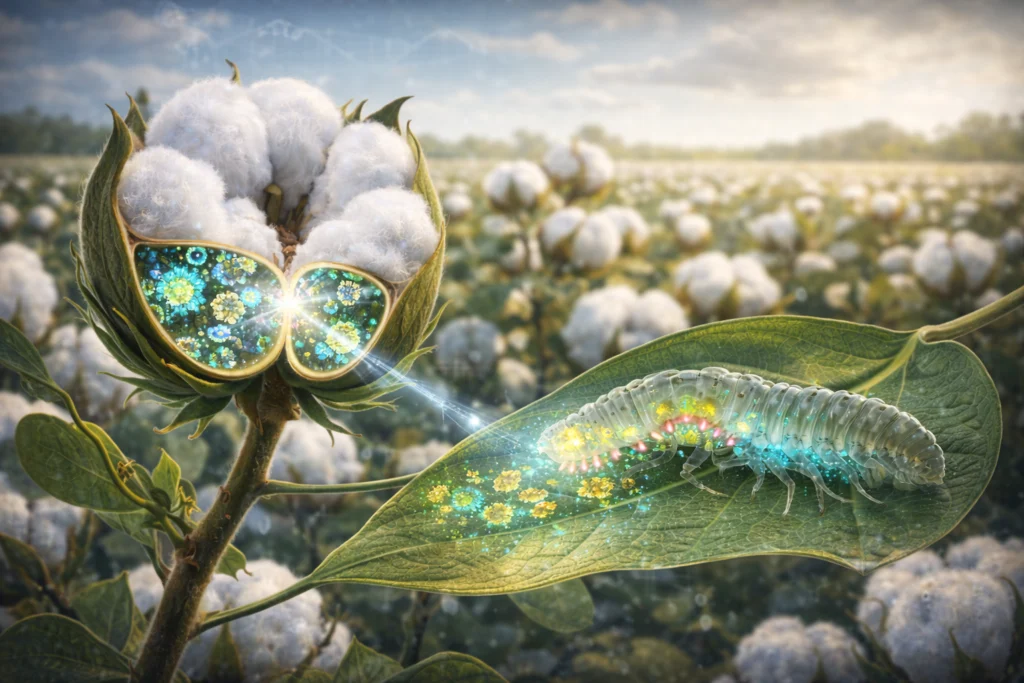
1. Bt Cotton
Bt cotton is a genetically modified crop developed to protect plants from insect pests. It has been engineered to produce a protein that is toxic to certain harmful insects but safe for humans and most beneficial organisms.
Contains gene from Bacillus thuringiensis.
Function:
- Produces toxin harmful to pests.
- Reduces pesticide use.
By producing its own insect-resistant protein, this crop decreases the need for chemical insecticides, lowers farming costs, and improves yield.
2. Golden Rice
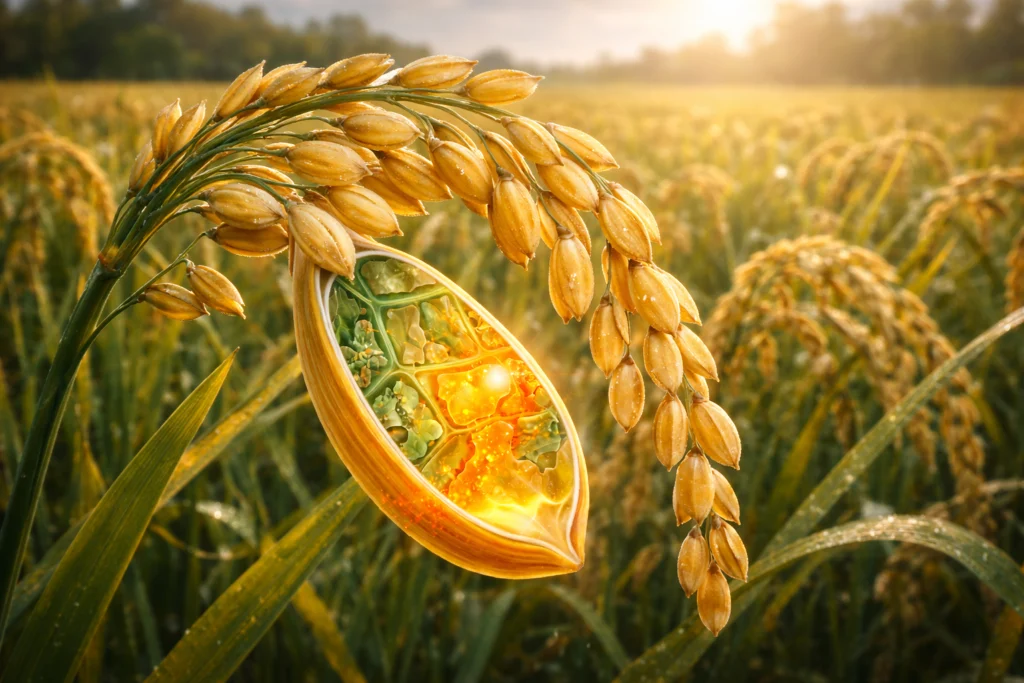
Golden Rice is a genetically modified rice variety developed to improve nutritional value. It has been engineered to produce beta-carotene, a precursor of Vitamin A, in the edible part of the grain.
Enriched with Vitamin A.
Prevents:
- Night blindness
- Vitamin A deficiency
This rice variety aims to reduce malnutrition, especially in regions where rice is a staple food and Vitamin A deficiency is common.
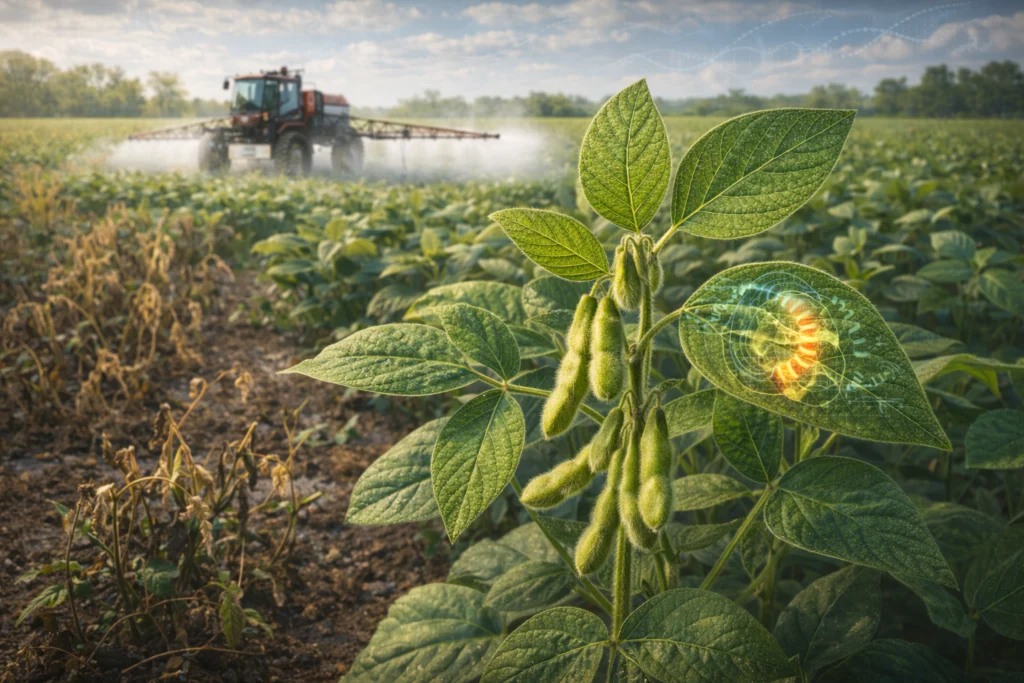
3. Herbicide-Resistant Soybean
Survives weed killers, improving yield.
Advantages of GM Crops
- Higher productivity
- Reduced chemical pesticides
- Improved nutritional value
- Climate resilience
Concerns About GM Crops
Ethical debates
Biodiversity loss
Allergenicity risks
Gene transfer to wild plants
Applications of Biotechnology
Biotechnology has wide applications across multiple sectors.
1. Medical Biotechnology
a. Production of Medicines
- Insulin
- Vaccines
- Antibiotics
b. Gene Therapy
Treats genetic disorders by replacing defective genes.
c. Diagnostic Tools
- PCR
- ELISA
- DNA fingerprinting
2. Agricultural Biotechnology
- GM crops
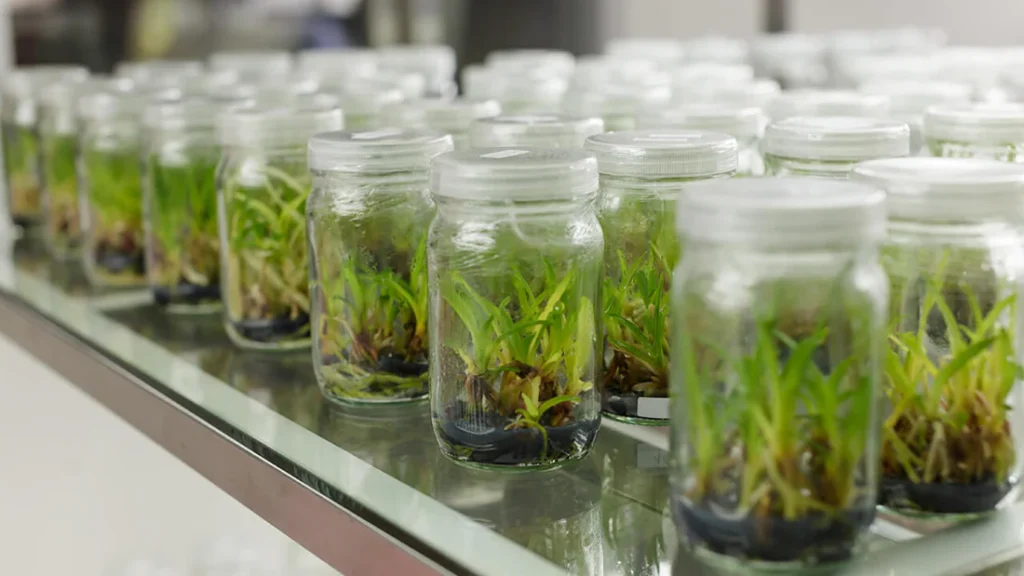
- Tissue culture
- Biofertilizers
- Biopesticides
3. Industrial Biotechnology
Also called White Biotechnology.
Applications:
- Enzyme production
- Fermentation industries
- Biofuels (ethanol, biodiesel)
4. Environmental Biotechnology
Also called Green Biotechnology.
Uses:
- Bioremediation
- Sewage treatment
- Oil spill cleanup
5. Forensic Biotechnology
- DNA fingerprinting
- Crime investigation
- Paternity testing
Bioethics in Biotechnology
Definition
Bioethics refers to ethical issues arising from biotechnology and genetic manipulation.
Major Bioethical Concerns
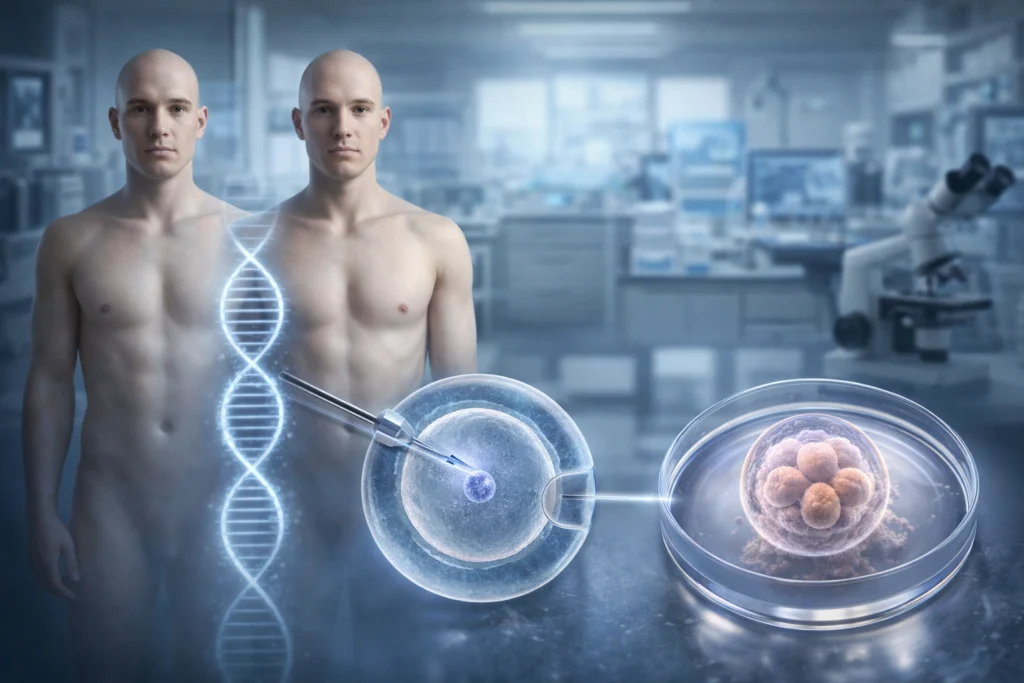
1. Human Cloning
Human cloning refers to the creation of a genetically identical copy of a human being using advanced genetic techniques. It involves transferring the nucleus of a body cell into an egg cell whose nucleus has been removed, followed by stimulation for development.
Raises questions about identity and individuality.
This concept is highly controversial and is widely restricted or prohibited in many countries due to ethical, social, and legal concerns. Discussions focus on human dignity, personal rights, and the potential misuse of genetic technology.
2. Designer Babies
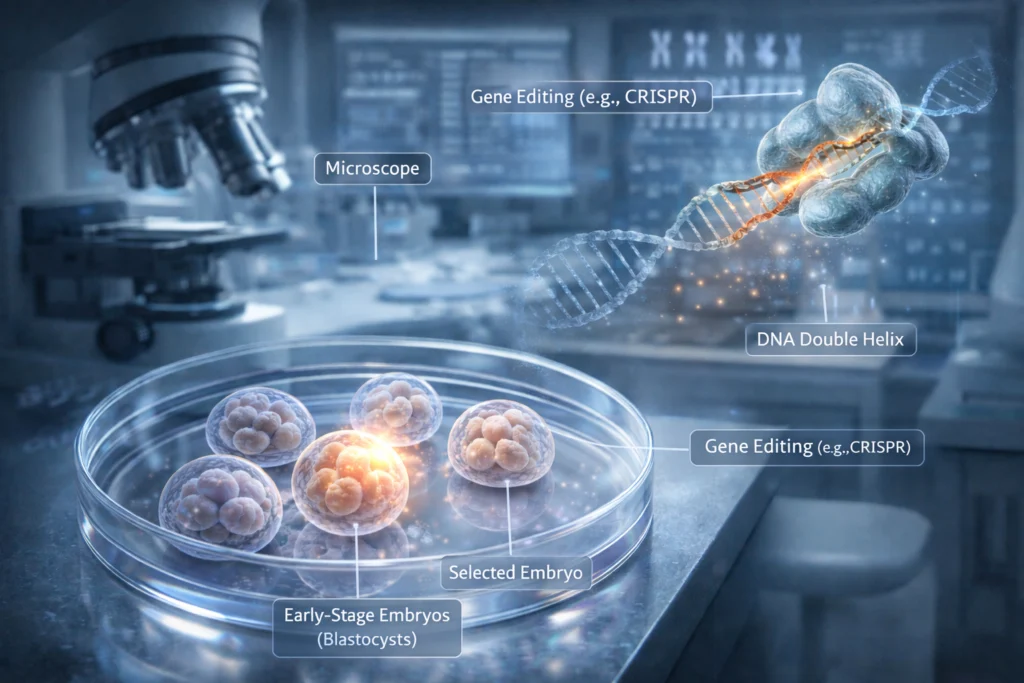
Designer babies refer to the concept of selecting or modifying an embryo’s genes to obtain specific desired characteristics before birth. This idea is linked to advanced genetic technologies that allow screening or alteration of certain traits.
Genetic selection for traits like intelligence or appearance.
This concept is highly controversial because it raises serious ethical concerns about equality, human rights, and the possible misuse of genetic science. Many countries have strict regulations to prevent non-medical genetic modification in humans.
3. Genetic Privacy
Genetic privacy refers to the protection of an individual’s genetic information from unauthorized access, use, or disclosure. With advances in DNA testing and genome analysis, personal genetic data has become more accessible and valuable.
Misuse of genetic data by companies or insurers.
There are concerns that such information could be used for discrimination in employment, insurance coverage, or social opportunities. Therefore, strict laws and ethical guidelines are necessary to ensure confidentiality and responsible use of genetic information.

4. Animal Rights
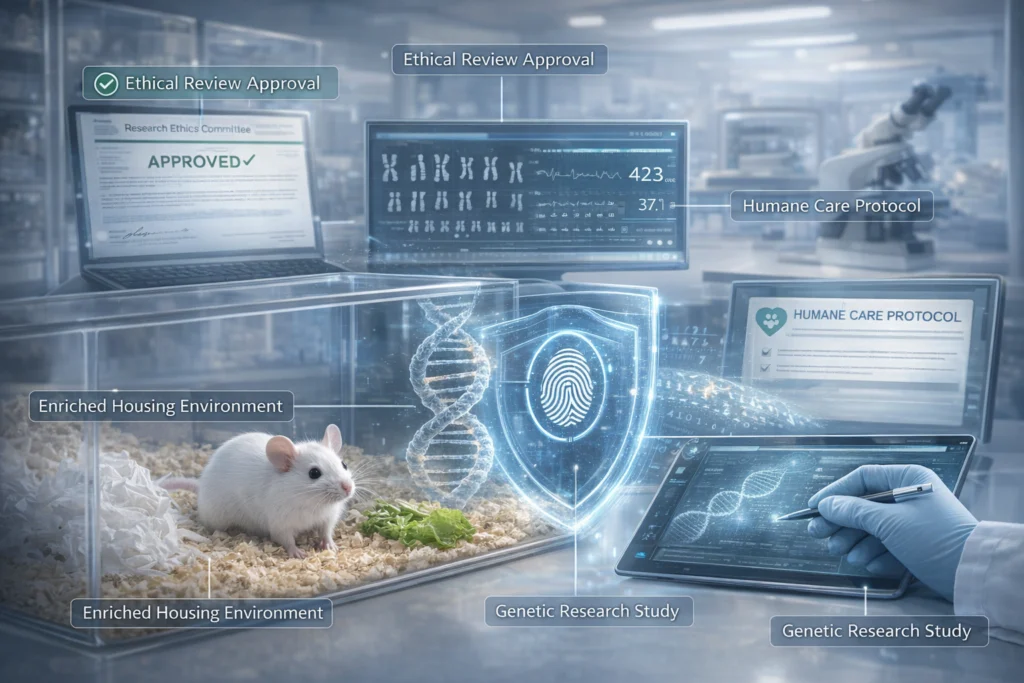
Animal rights in the context of genetic research focus on the moral responsibility to treat animals humanely during scientific experiments and genetic modification procedures.
Ethical treatment of genetically modified animals.
Concerns include minimizing pain, ensuring proper living conditions, and avoiding unnecessary experimentation. Strict ethical guidelines and regulatory frameworks are established in many countries to protect animal welfare while allowing scientific progress.
5. Environmental Risks
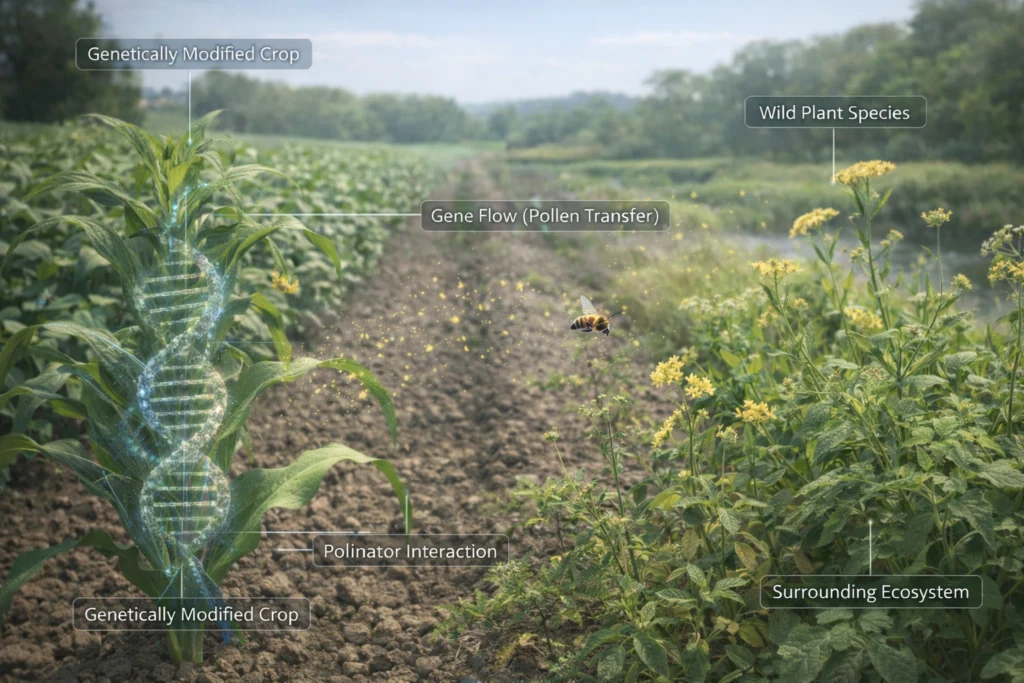
Environmental risks refer to the possible negative effects that genetically modified organisms may have on natural ecosystems. When modified plants or microorganisms are released into the environment, they may interact with other species in unpredictable ways.
Impact of GM organisms on ecosystems.
Concerns include gene transfer to wild species, loss of biodiversity, development of resistant pests, and disruption of ecological balance. Therefore, careful environmental assessment and strict regulatory control are necessary before releasing genetically modified organisms into nature.
Need for Bioethical Regulations
- Protect human dignity
- Ensure biosafety
- Prevent misuse of technology
- Promote responsible research
Functions and Importance of Biotechnology
1. Healthcare Improvement
- Disease treatment
- Vaccine development
- Personalized medicine
2. Food Security
- High-yield crops
- Nutrient-rich foods
3. Environmental Protection
- Pollution control
- Waste management
4. Economic Development
- Biotech industries
- Job creation
Real-Life Examples of Biotechnology
- COVID-19 mRNA vaccines
- IVF (test-tube babies)
- Insulin from recombinant bacteria
- Tissue culture bananas
- DNA fingerprinting in crime cases
Common Mistakes and Misconceptions
Misconception 1: Biotechnology is only genetic engineering
Reality: Genetic engineering is just one part of biotechnology.
Misconception 2: GM foods are always harmful
Reality: Approved GM foods undergo safety testing.
Misconception 3: Clones are exact copies in behavior
Reality: Environment influences personality and traits.
Misconception 4: Biotechnology is a modern invention
Reality: Fermentation is an ancient biotech practice.
Exam-Oriented Notes
- Father of Genetic Engineering: Paul Berg
- First cloned mammal: Dolly (1996)
- Bt toxin gene source: Bacillus thuringiensis
- Vector commonly used: Plasmid
- Molecular scissors: Restriction enzymes
- Molecular glue: DNA ligase
Step-by-Step Process Summary
Recombinant DNA Technology Steps
- Identify gene of interest
- Isolate DNA
- Cut DNA with restriction enzymes
- Insert gene into vector
- Transfer into host cell
- Select transformed cells
- Produce desired product
Self-Assessment Questions with Solutions
Section A: Very Short Answer
1. Define biotechnology.
Use of living organisms to develop useful products.
2. What is a vector?
DNA molecule carrying foreign genes into host cells.
3. Name the first cloned animal.
Dolly the sheep.
Section B: Short Answer
4. What are GM crops?
Crops genetically modified to express beneficial traits like pest resistance.
5. Write one application of genetic engineering.
Production of human insulin.
Section C: Long Answer
6. Explain steps of recombinant DNA technology.
(Students should write isolation → cutting → ligation → transfer → selection → expression.)
Summary for Revision
- Biotechnology uses living systems for human benefit.
- It is based on DNA manipulation principles.
- Genetic engineering modifies genes directly.
- Cloning produces identical copies.
- GM crops improve agriculture.
- Applications include medicine, farming, industry, and environment.
- Bioethics ensures responsible use.
Conclusion
Biotechnology is a transformative field that integrates biology with technology to solve real-world problems. From genetic engineering and cloning to GM crops and medical innovations, biotechnology continues to reshape healthcare, agriculture, and environmental management.
Understanding its principles, processes, applications, and ethical implications is essential for students, researchers, and global citizens. As biotechnology advances, responsible use guided by bioethics will determine its role in building a sustainable and healthy future.
You can visit also Core Sciences
Frequently Asked Questions (FAQs)
1. What is biotechnology in simple words?
Biotechnology means using living organisms or their parts to make useful products like medicines, vaccines, and improved crops.
2. Is genetic engineering the same as biotechnology?
No. Genetic engineering is a technique within biotechnology focused on DNA modification.
3. Are GM foods safe?
Most approved GM foods are tested for safety, nutrition, and environmental impact before release.
4. What is the importance of cloning?
Cloning helps in research, species conservation, and therapeutic applications like stem cell therapy.
5. What are restriction enzymes?
They are enzymes that cut DNA at specific sequences, enabling gene manipulation.
6. What is BT cotton?
A genetically modified crop that produces pest-killing toxin from Bacillus thuringiensis.
7. Why is bioethics important in biotechnology?
It regulates genetic research, protects rights, and prevents misuse of biological technology.