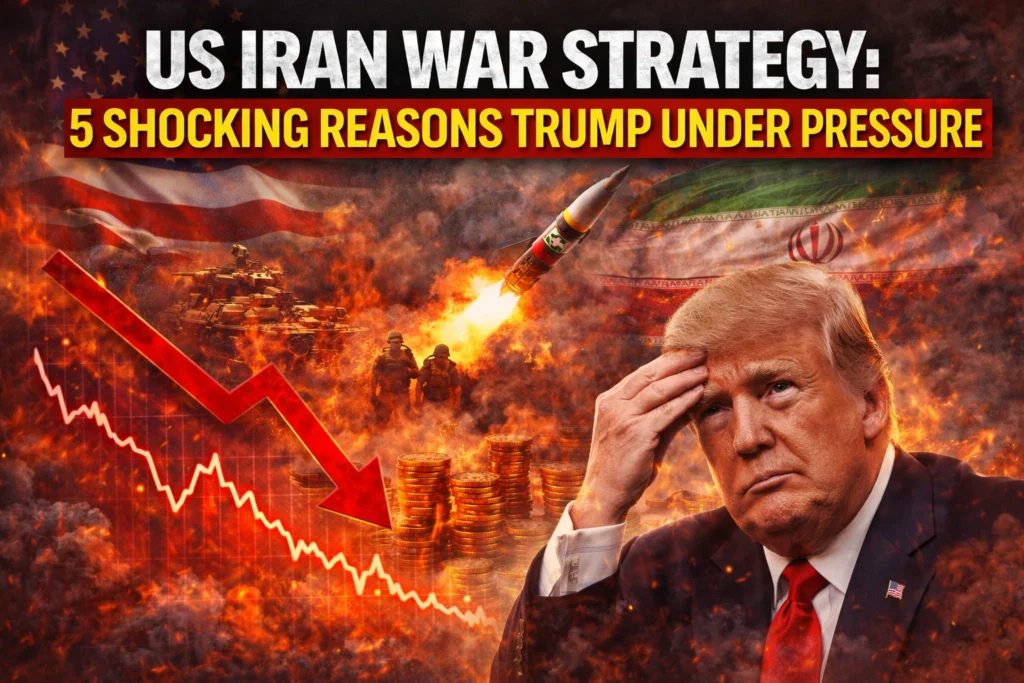
The political climate in the United States is rapidly intensifying as new developments in the Middle East continue to unfold. What initially appeared to be a calculated and strategic approach is now being questioned at multiple levels, bringing the US Iran war strategy under serious scrutiny. As tensions remain unstable despite ceasefire attempts, the situation is no longer just about foreign policy—it has evolved into a major domestic political issue.
At the center of this growing controversy is former President Donald Trump, whose decisions and approach are now facing sharp criticism from both political opponents and sections of his own support base. At Informosio, we take a closer look at how this strategy is being challenged, why pressure is mounting, and what it could mean for the future of US leadership.
What Triggered the Political Backlash
The backlash against the US Iran war strategy did not emerge overnight—it built gradually as the situation on the ground failed to stabilize. While initial efforts aimed to control escalation and bring temporary relief, the lack of long-term resolution has raised serious concerns among policymakers and analysts. Instead of reducing tensions, the region continues to remain volatile, creating doubts about whether the strategy addressed the root causes of the conflict.
Critics argue that the approach may have been too reactive rather than proactive, focusing on short-term outcomes without a clear roadmap for sustained peace. Meanwhile, supporters insist that the complexity of the situation makes any strategy difficult to execute perfectly. This divide has intensified political debate, turning foreign policy decisions into a central issue in domestic discourse.
Trump Under Growing Pressure
As the debate continues to escalate, the US Iran war strategy has placed Donald Trump under significant political pressure. His leadership decisions are now being examined in detail, with opponents highlighting perceived weaknesses while allies call for stronger clarification and justification. This scrutiny is not limited to policy experts—it is also shaping public opinion across the country.
What makes this situation particularly critical is its timing. Political narratives are heavily influenced by global events, and the ongoing conflict has provided a focal point for broader discussions about leadership, accountability, and decision-making. As a result, the pressure on Trump is not just about the past—it is directly influencing current political dynamics.
Global Reactions Add to the Pressure
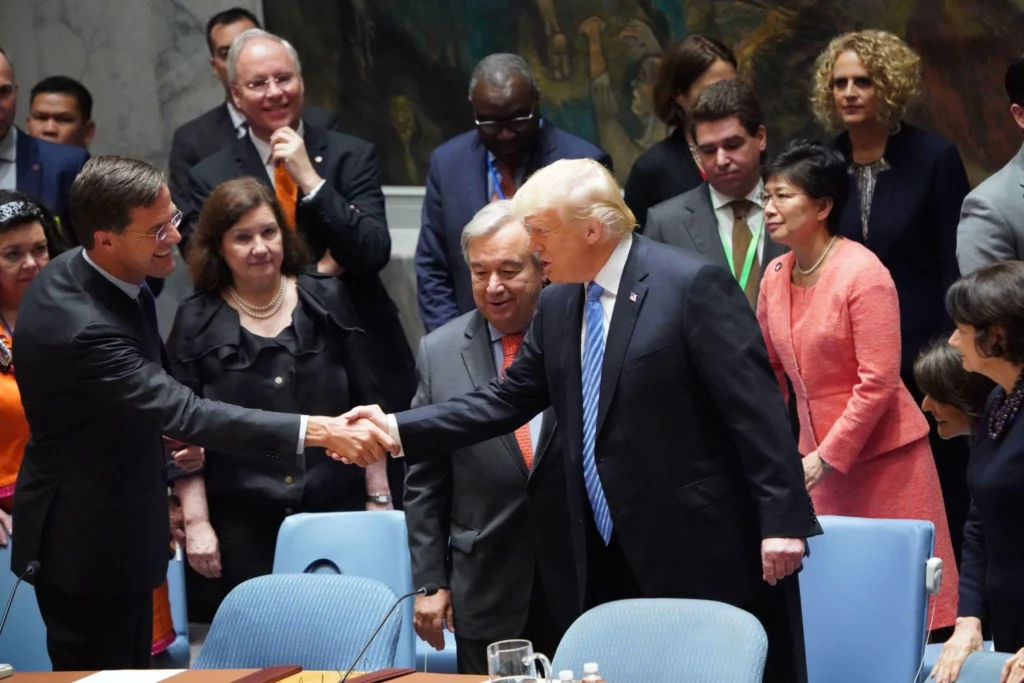
The implications of the US Iran war strategy extend far beyond American borders, drawing reactions from governments and observers around the world. Allies are closely monitoring how the United States navigates this situation, while other global powers are assessing its impact on international stability. Some nations have expressed concerns over the lack of a clear resolution, while others are advocating for stronger diplomatic engagement.
This global attention adds another layer of complexity, as US decisions are no longer evaluated in isolation. Instead, they are viewed as part of a broader geopolitical landscape where every move carries significant consequences. This external pressure further intensifies the domestic political challenge.
Political Divide Deepens
The ongoing controversy surrounding the US Iran war strategy is also deepening political divisions within the United States. Different factions are presenting sharply contrasting views on how the situation should be handled, reflecting broader ideological differences about America’s role on the global stage. While some leaders argue for a more assertive stance, others emphasize the importance of diplomacy and de-escalation.
This divide is not just theoretical—it has real implications for policymaking and governance. As debates grow more intense, reaching consensus becomes increasingly difficult, complicating efforts to respond effectively to the crisis.
Economic and Strategic Concerns
Beyond politics, the US Iran war strategy carries significant economic and strategic implications. Rising tensions in the Middle East can directly influence global oil prices, disrupt trade routes, and create uncertainty in financial markets. These factors make the situation more complex, as policymakers must balance geopolitical considerations with economic stability.
The interconnected nature of modern economies means that decisions made in response to the conflict can have far-reaching consequences. This adds pressure on leadership to adopt strategies that are both effective and sustainable.
What Experts Are Saying
Experts remain divided in their assessment of the US Iran war strategy, with some viewing it as a necessary response to a complex situation and others criticizing its execution. Many analysts agree that managing such conflicts requires a delicate balance between military readiness and diplomatic engagement, and any misstep can have significant consequences.
At the same time, there is a growing recognition that traditional approaches to conflict management may need to evolve in response to changing global dynamics. This debate highlights the challenges faced by policymakers in navigating an increasingly unpredictable world.
⚠️ Could This Impact Future Elections?
The controversy surrounding the US Iran war strategy is likely to have long-term political implications, particularly in the context of future elections. Foreign policy decisions often play a crucial role in shaping voter perceptions, and the current situation is no exception. As public awareness grows, the issue may become a defining factor in political campaigns.
This possibility underscores the importance of how the situation is managed in the coming months. The outcome could influence not only international relations but also the direction of domestic politics.
What Happens Next
Looking ahead, the future of the US Iran war strategy remains uncertain. The next steps will depend on a combination of diplomatic efforts, strategic decisions, and developments on the ground. While there is still an opportunity to stabilize the situation, the risk of further escalation cannot be ignored.
This uncertainty keeps the issue at the forefront of political and global discussions, making it one of the most closely watched developments in recent times.
Global Outlook
The evolving US Iran war strategy reflects the complexity of modern geopolitics, where domestic politics and international relations are deeply interconnected. At Informosio, we see this as a critical moment that could shape the future of global leadership and conflict management.
As the situation continues to develop, one thing is clear—the decisions made now will have lasting consequences far beyond the immediate crisis.
FAQs
1. What is the US Iran war strategy?
The US Iran war strategy refers to America’s approach to managing the conflict and maintaining stability.
2. Why is Trump under pressure?
The US Iran war strategy is being criticized for its effectiveness and long-term impact.
3. How does this affect global politics?
The US Iran war strategy influences international relations and alliances.
4. Could this impact elections?
Yes, the US Iran war strategy may shape public opinion and future elections.
5. What happens next?
The outcome depends on diplomatic efforts and global developments.
🔗 Explore More on Informosio
Stay updated with the latest developments across global affairs, India, technology, and trending insights.
👉 Global News – Breaking world news, geopolitics, and international updates
👉 India News – Latest national updates, economy, policy, and breaking stories
👉 Informosio Tech – AI, innovation, and future technologies
👉 Daily Insights – Global trends and in-depth analysis