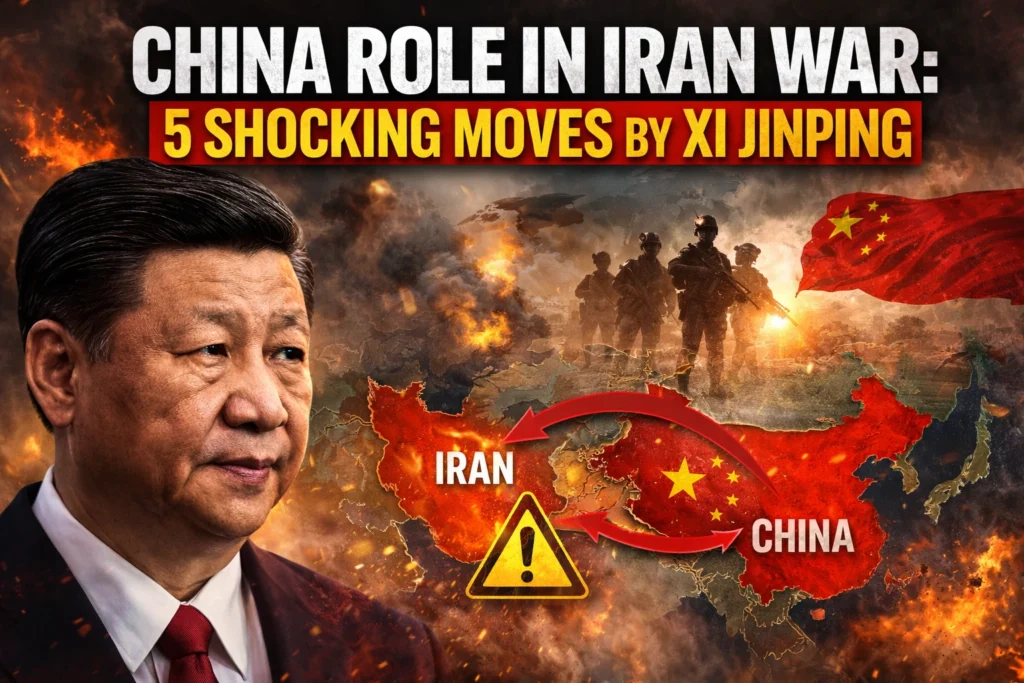
As tensions in the Middle East pushed the world closer to a major conflict, a surprising player emerged behind the scenes. The latest developments reveal that China played a quiet but crucial role in preventing further escalation. The China role in Iran war is now becoming one of the most talked-about geopolitical stories, as reports suggest that diplomatic pressure from Beijing helped stabilize the situation at a critical moment.
At Informosio, we break down what really happened—and why China’s involvement could reshape global power dynamics.
What Happened Behind Closed Doors
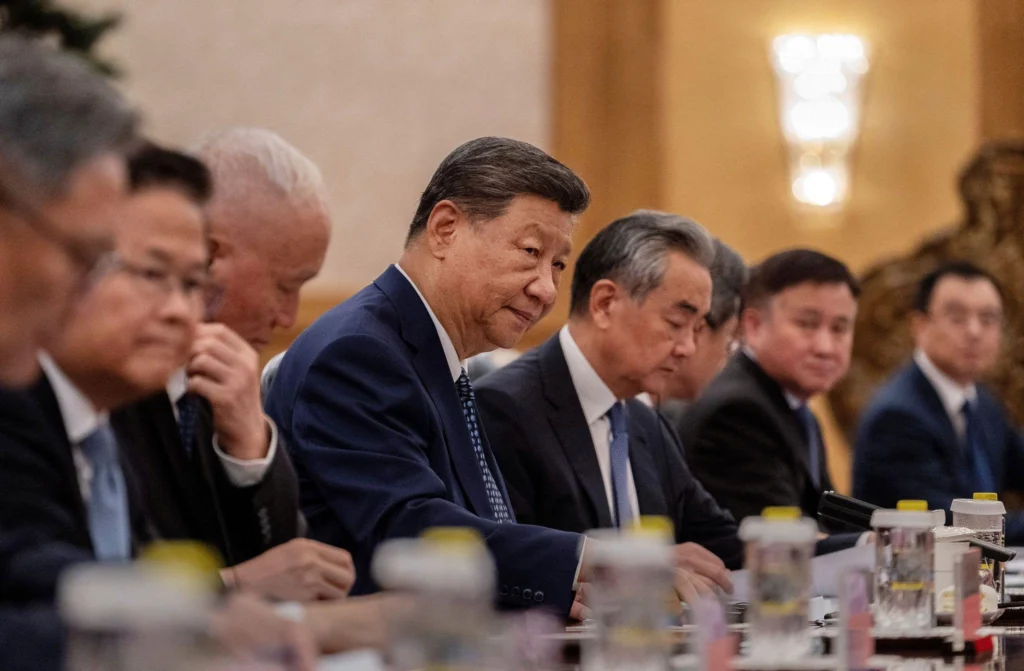
While public attention remained focused on military actions and ceasefire announcements, the China role in Iran war unfolded largely through backchannel diplomacy. Sources indicate that Chinese leadership engaged in urgent discussions with key stakeholders, encouraging restraint and pushing for a temporary ceasefire. These efforts were aimed at preventing a wider regional conflict that could have spiraled out of control.
Unlike traditional Western intervention, China’s approach was subtle, strategic, and largely behind the scenes.
Why China Stepped In
The China role in Iran war is not just about diplomacy—it’s about strategic interest. China has deep economic and political ties in the Middle East, particularly in energy and infrastructure. Any large-scale conflict in the region would directly threaten China’s access to critical resources and disrupt global trade routes that are vital to its economy.
By stepping in early, China aimed to protect not only regional stability but also its long-term global interests.
A Shift in Global Power Dynamics
This situation highlights a major shift in global geopolitics. The growing China role in Iran war signals that Beijing is no longer just an economic powerhouse—it is now actively shaping international conflict resolution. Traditionally, the United States and its allies dominated diplomatic efforts in global crises. However, China’s involvement suggests a move toward a more multipolar world, where influence is shared among several major powers.
This shift could redefine how future conflicts are managed.
How the US and Allies Are Responding
The expanding China role in Iran war has not gone unnoticed by Western nations. The United States and its allies are closely monitoring Beijing’s actions, aware that increased Chinese influence could alter global alliances. While some view China’s involvement as a positive step toward stability, others see it as a strategic move to gain geopolitical leverage.
This mixed reaction reflects the complex nature of modern international relations.
Impact on Global Trade and Energy
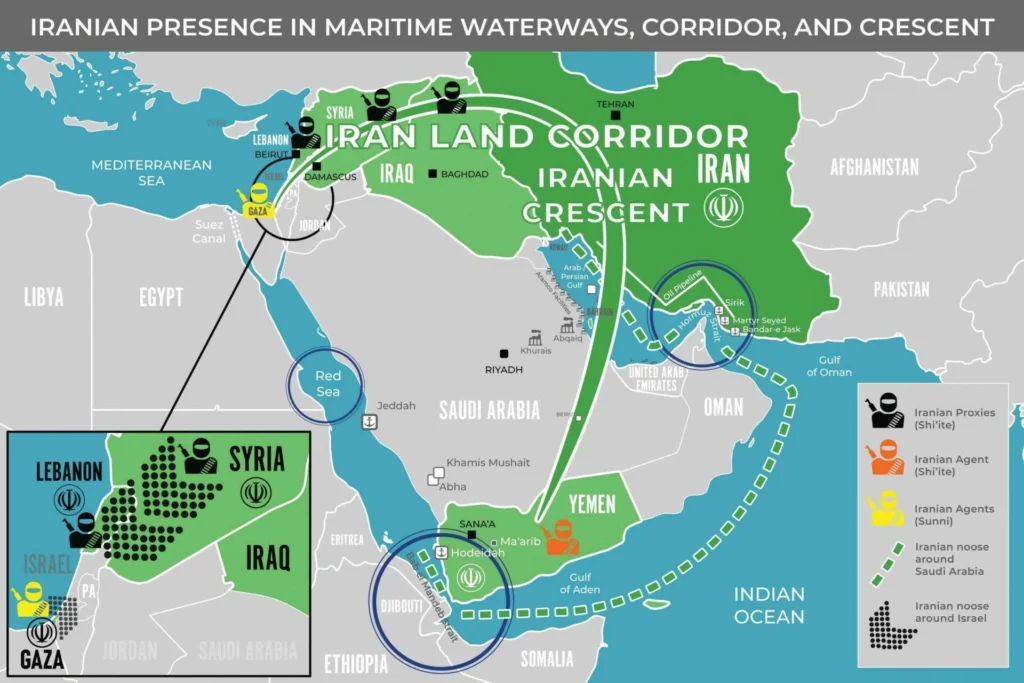
Another critical aspect of the China role in Iran war is its impact on global trade and energy markets. The Middle East remains a key hub for oil exports, and any disruption can have worldwide consequences. China’s intervention helped reduce immediate risks to major shipping routes, including those vital for global energy supply.
This move not only stabilized the region temporarily but also reassured markets that a full-scale disruption might be avoided—for now.
What Experts Are Saying
Analysts describe the China role in Iran war as a “strategic balancing act.” By positioning itself as a mediator, China strengthens its global image while advancing its interests. Some experts believe this marks the beginning of a new era where China takes a more active role in resolving international conflicts.
However, others caution that long-term stability will depend on whether deeper issues in the region are addressed.
⚠️ Could This Change Future Conflicts?
The growing China role in Iran war raises important questions about the future of global diplomacy. Will China continue to intervene in major conflicts? And if so, how will other global powers respond? If Beijing successfully positions itself as a reliable mediator, it could significantly reshape international relations and conflict resolution strategies in the years ahead.
What Happens Next
The situation remains fluid, and the China role in Iran war is still evolving. Diplomatic efforts continue, and global powers remain actively engaged. The coming days will determine whether this intervention leads to lasting stability or simply delays further escalation.
For now, China’s involvement has bought time—but whether that time is used effectively remains to be seen.
Global Outlook
The China role in Iran war reflects a changing world order where influence is no longer concentrated in one region. Instead, multiple powers are shaping global events simultaneously.
At Informosio, we see this as a defining moment in modern geopolitics—one that could influence how future crises are managed across the globe.
FAQs
1. What is China’s role in the Iran war?
The China role in Iran war involves diplomatic efforts to reduce tensions and prevent escalation.
2. Why did China intervene?
China acted to protect its economic and strategic interests in the region.
3. Is China replacing the US in global diplomacy?
The China role in Iran war suggests growing influence, but not complete replacement.
4. Did China help achieve the ceasefire?
Reports indicate that China played a role in encouraging restraint and dialogue.
5. What does this mean for the future?
The China role in Iran war could signal a shift toward a multipolar global system.
🔗 Explore More on Informosio
Stay updated with the latest developments across global affairs, India, technology, and trending insights.
👉 Global News – Breaking world news, geopolitics, and international updates
👉 India News – Latest national updates, economy, policy, and breaking stories
👉 Informosio Tech – AI, innovation, and future technologies
👉 Daily Insights – Global trends and in-depth analysis