Introduction to Mitochondria
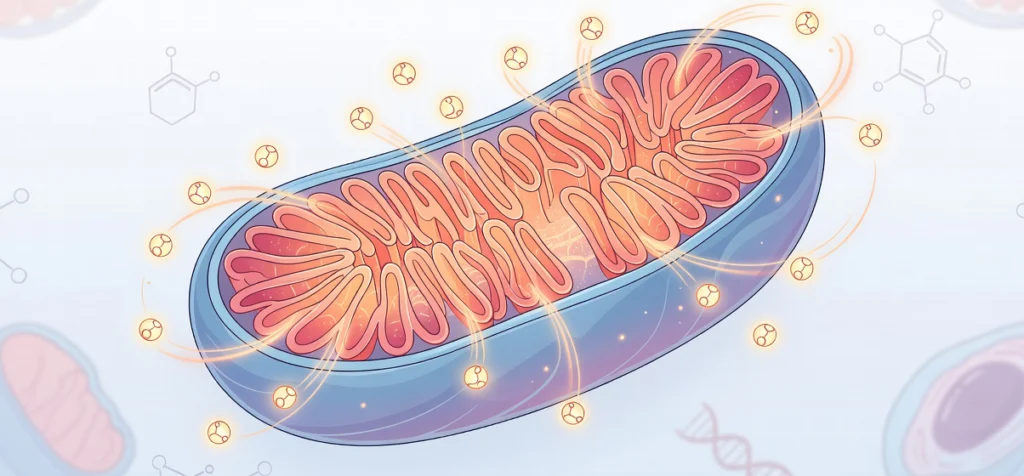
Mitochondria are one of the most essential structures inside living cells. Often called the “powerhouse of the cell,” mitochondria play a central role in producing energy required for survival. Without this organelle, cells would not be able to perform vital functions such as growth, repair, and reproduction.
At Informosio, Understanding mitochondria is important not only for biology students but also for anyone interested in how life works at the cellular level. This article explains this organelle in a simple yet professional way, covering structure, function, and key facts that are highly relevant in modern biology.
What Are Mitochondria?
Mitochondria are membrane-bound organelles found in most eukaryotic cells. Their main function is to generate energy in the form of ATP (adenosine triphosphate), which powers cellular activities.
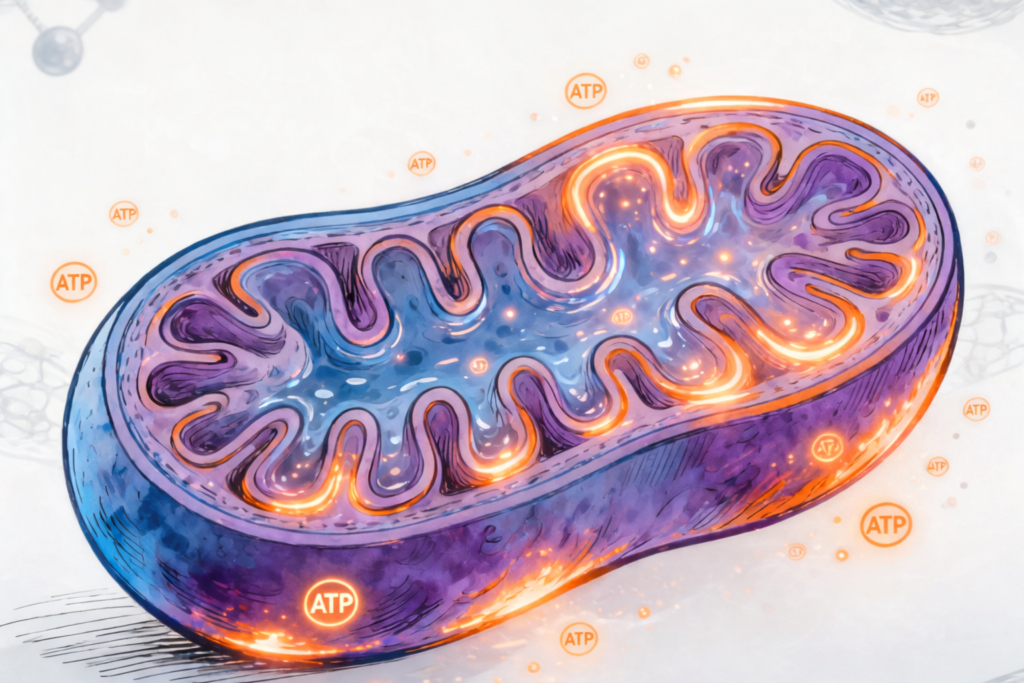
They are unique compared to other organelles because they contain their own DNA and can reproduce independently within the cell. This feature supports the theory that energy-producing organelle originated from ancient bacteria. Mitochondria are present in large numbers in cells that require more energy, such as muscle cells and nerve cells.
Structure of Mitochondria
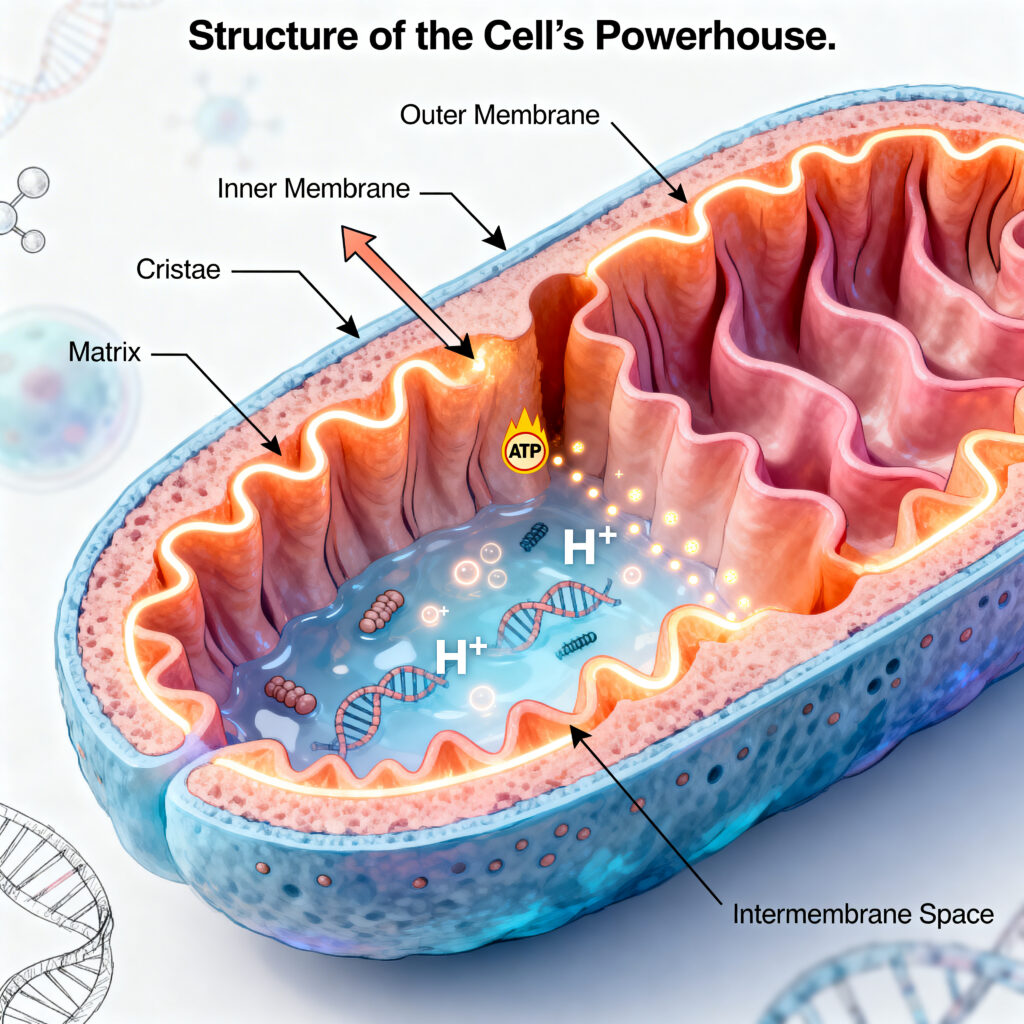
The structure of mitochondria is complex and highly specialized to support energy production. Each mitochondrion has two membranes and several internal components that work together efficiently.
Outer Membrane
The outer membrane is the smooth, protective boundary of the organelle. It is made of a lipid bilayer and contains special proteins called porins that allow small molecules and ions to pass through easily.
This membrane acts as a barrier between the organelle and the rest of the cell, helping maintain proper internal conditions. At the same time, it remains semi-permeable, so essential substances can move in and out without much restriction.
Inner Membrane
The inner membrane is a highly specialized layer found inside the organelle. It is folded into structures called cristae, which increase the surface area for important chemical reactions.
This membrane is selectively permeable, meaning it tightly controls what enters and leaves. It contains enzymes and proteins that are essential for energy production processes within the cell.
Matrix
The matrix is the inner fluid-filled space of the organelle enclosed by the inner membrane. It contains enzymes, ribosomes, and genetic material needed for important cellular reactions.
Many key metabolic processes occur in this region, especially those involved in energy production. It also helps in the synthesis of certain proteins required for proper functioning of the organelle.
Intermembrane Space
The intermembrane space is the narrow region between the outer and inner membranes of the organelle. It acts as a compartment where important ions, especially protons, are stored.
This space plays a key role in energy production by helping create a concentration gradient. The movement of these ions back across the inner membrane helps generate ATP, which is the cell’s main energy source.
Functions of Mitochondria
Mitochondria are involved in several critical cellular processes. Their primary function is energy production, but they also contribute to other essential activities:
Energy Production
Energy production is the process by which cells generate ATP, the main energy currency needed for all activities. It involves breaking down nutrients like glucose using oxygen.
This process occurs in multiple steps, including the Krebs cycle and the electron transport chain. These steps release energy, which is used to form ATP for cellular functions.
Regulation of Cell Death
Regulation of cell death is the controlled process called apoptosis, where a cell safely destroys itself when it is damaged or no longer needed. Special signals inside the cell activate proteins that break down cell components in an organized way. This prevents harm to nearby cells. This process is important for growth, development, and maintaining healthy tissues by removing harmful or unnecessary cells.
Metabolism
Metabolism refers to all the chemical reactions that take place inside a cell to maintain life. These reactions help in breaking down nutrients and releasing energy.
It includes processes like the breakdown of fats, proteins, and carbohydrates, as well as the building of important molecules. Metabolism is essential for growth, repair, and providing energy needed for all cellular activities.
Heat Production
Heat production is the process by which cells generate heat as a by-product of energy-related activities. Instead of storing all energy as ATP, some energy is released as heat.
Specialized cells, such as brown fat cells, are adapted to produce more heat when needed. This helps maintain body temperature, especially in cold conditions. Heat production is important for keeping the body warm and ensuring proper functioning of enzymes and metabolic processes.
How Mitochondria Produce Energy
Energy production in mitochondria occurs through a process called cellular respiration. This process can be divided into three main stages.
First, glycolysis occurs in the cytoplasm, breaking glucose into smaller molecules. Next, the Krebs cycle takes place inside the mitochondrial matrix, producing high-energy molecules. Finally, the electron transport chain occurs in the inner membrane, where most ATP is generated.
This multi-step process ensures efficient energy production, making mitochondria essential for life.
Importance of Mitochondria in Cells
These organelles are essential for providing energy to the cell by producing ATP, which powers all cellular activities. Without this energy supply, cells cannot perform basic functions like growth, repair, and movement. They also play an important role in controlling programmed cell death, helping remove damaged or unwanted cells and maintaining overall tissue health.
In addition, they are involved in various metabolic processes such as breaking down nutrients and synthesizing important molecules needed for cell survival. These structures help regulate cellular balance by participating in signaling pathways and maintaining proper internal conditions. Their proper functioning is crucial, as any defect can lead to serious health problems and reduced efficiency of the cell.
Unique Features of Mitochondria
These organelles have their own genetic material, which is separate from the nucleus and helps in producing some of their proteins. This makes them partly independent within the cell. They can grow and divide on their own, increasing in number according to the energy needs of the cell. They have a double membrane structure, with a smooth outer layer and a highly folded inner layer that increases efficiency. They are involved in energy production, making them essential for cell survival and activity. Their origin is believed to be from ancient bacteria, which explains their unique structure and independent features.
Comparison of Mitochondria Functions
| Feature | Description |
|---|---|
| Energy Production | Produces ATP through cellular respiration |
| DNA Presence | Contains its own genetic material |
| Membrane Structure | Double membrane with folded inner layer |
| Cell Death Control | Regulates apoptosis |
| Metabolic Role | Involved in various biochemical pathways |
Common Misconceptions About Mitochondria
Many people think these organelles only produce energy, but they also help in processes like cell signaling, metabolism, and control of cell death.
Another common misconception is that all cells contain the same number of these structures, while in reality the number varies depending on the cell’s energy needs.
Some also believe they are fully independent, but they still depend on the cell for many functions despite having their own DNA.
Conclusion
Mitochondria are essential organelles that play a central role in energy production and overall cellular function. From generating ATP to regulating cell death, their contributions are critical for life.
Understanding energy-producing organelle helps us appreciate how cells function and how energy is managed within the body. With ongoing research, mitochondria continue to reveal new insights into health, disease, and evolution, making them one of the most important topics in modern biology.
You may also visit the Biology section.
FAQs About Mitochondria
What is the main function of mitochondria?
The main function of mitochondria is to produce ATP, which provides energy for cellular activities.
Why are mitochondria called the powerhouse of the cell?
They are called the powerhouse because they generate most of the cell’s energy through ATP production.
Do mitochondria have their own DNA?
Yes, mitochondria contain their own DNA, which is separate from the cell’s nuclear DNA.
Where are mitochondria found?
Mitochondria are found in most eukaryotic cells, including plant and animal cells.
Can mitochondria reproduce?
Yes, mitochondria can replicate independently within the cell through a process similar to bacterial division.
What happens if mitochondria fail?
Mitochondrial dysfunction can lead to diseases, reduced energy production, and cell damage.
Are mitochondria present in all cells?
They are present in most eukaryotic cells but absent in prokaryotic cells.
🌐 Connect With Us
👉 Informosio Tech – Science & Technology news, AI trends, gadgets, and innovations.