Concept of Organelle
An organelle is a specialized structure within a cell that performs a specific function essential for cellular survival. Much like organs in the human body, each one contributes to the overall operation and coordination of the cell. These internal components work in an organized manner to ensure that life-sustaining processes occur efficiently and without interruption.
In biology, understanding this concept is fundamental because it explains how cells generate energy, synthesize proteins, store genetic information, and maintain internal balance. The study of these structures forms the backbone of cell biology and helps connect microscopic molecular activities with the larger processes that sustain life.
This discussion presents a clear and professional explanation of the concept, covering definition, classification, structure, and biological significance, using accurate, research-based information in a simple and easily understandable way.
What Is an Organelle?
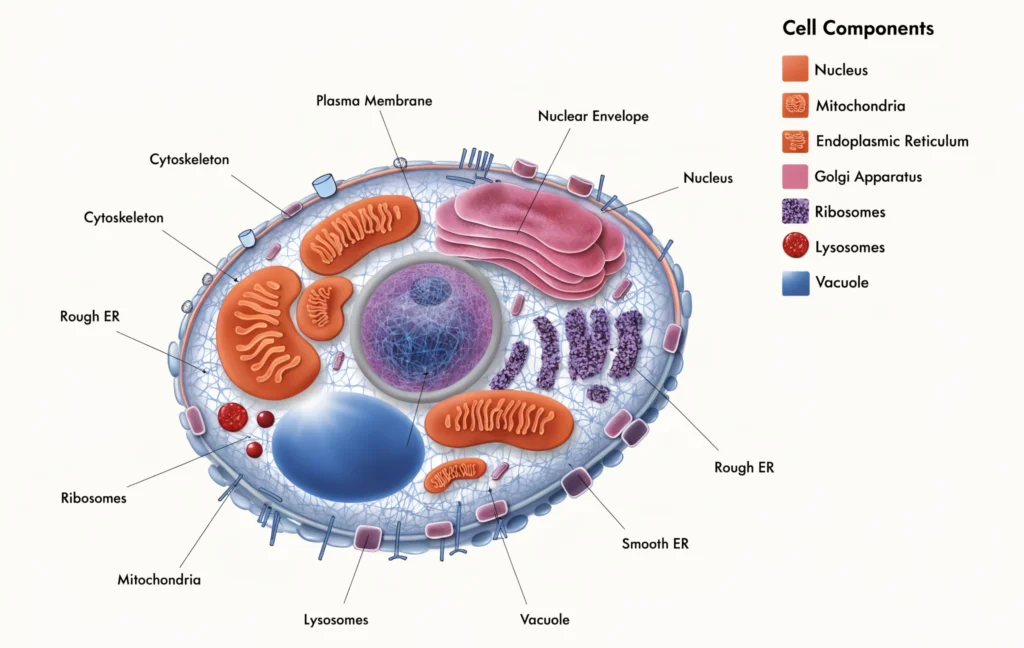
An organelle is a membrane-bound or non-membrane-bound structure found inside a cell that carries out a specific biochemical role. These internal components function collectively to keep the cell alive, organized, and responsive to its environment. Each structure is designed to perform a particular task, ensuring that cellular processes such as energy production, protein synthesis, and waste management occur efficiently. Together, they create a highly coordinated system that allows the cell to maintain stability, adapt to changes, and support the basic functions necessary for life.
Key Characteristics of an Organelle
- Performs a distinct cellular function
- Often enclosed by a lipid membrane
- Found mainly in eukaryotic cells
- Highly specialized and efficient
Not all cells contain the same organelles. The presence and number depend on the type and function of the cell.
Types of Organelles in Cells
Organelles are broadly classified based on the presence or absence of membranes. This division explains how cells organize and control different biological processes efficiently.
Membrane-Bound Organelles
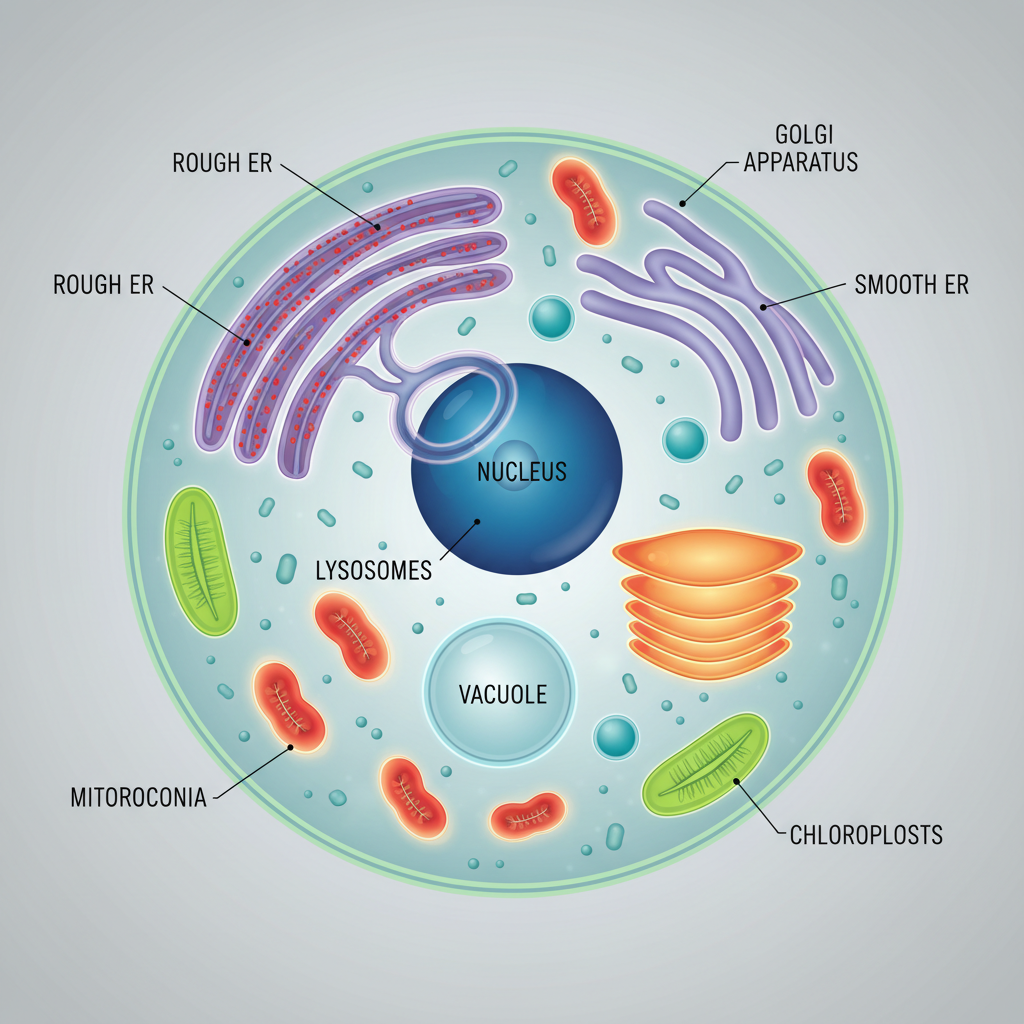
These organelles are surrounded by one or more membranes, allowing compartmentalization of cellular processes. The membranes create distinct internal spaces where specific biochemical reactions can occur without interference, improving efficiency and regulation. Such structures play a crucial role in activities like energy production, protein modification, storage, and transport, helping the cell function in a well-organized and controlled manner.
| Organelle | Primary Function |
|---|---|
| Nucleus | Stores genetic material |
| Mitochondria | Energy production |
| Endoplasmic Reticulum | Protein and lipid synthesis |
| Golgi Apparatus | Packaging and transport |
| Lysosome | Intracellular digestion |
| Vacuole | Storage and regulation |
| Chloroplast | Photosynthesis (plants only) |
Non-Membrane-Bound Organelles
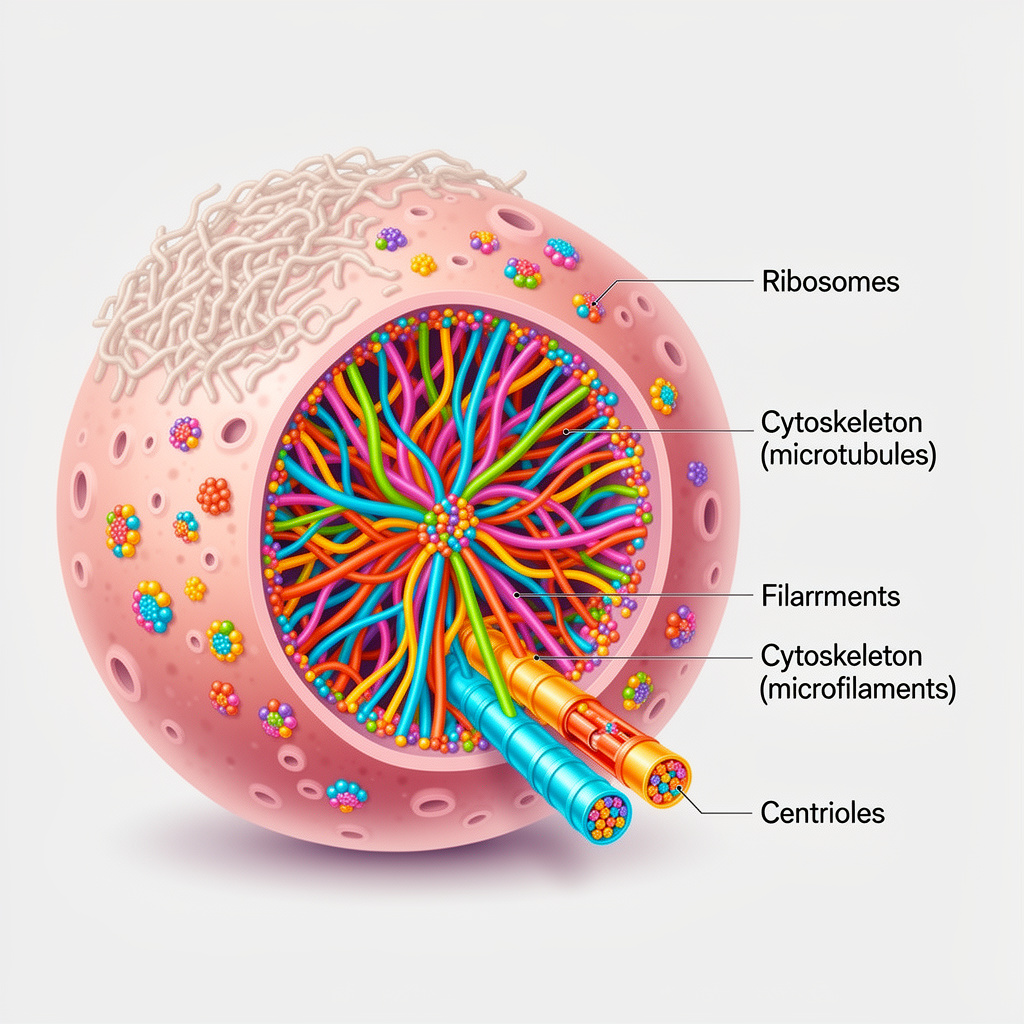
Non-membrane-bound structures are essential parts of a cell that do not have a surrounding membrane. Ribosomes are responsible for protein synthesis, helping the cell produce enzymes and structural proteins. The cytoskeleton maintains the shape of the cell, provides internal support, and assists in movement and transport within the cytoplasm. Centrioles play an important role during cell division by organizing spindle fibres. Together, these structures ensure proper coordination of cellular activities and allow biochemical processes to occur efficiently without interference.
Structural Organization of an Organelle
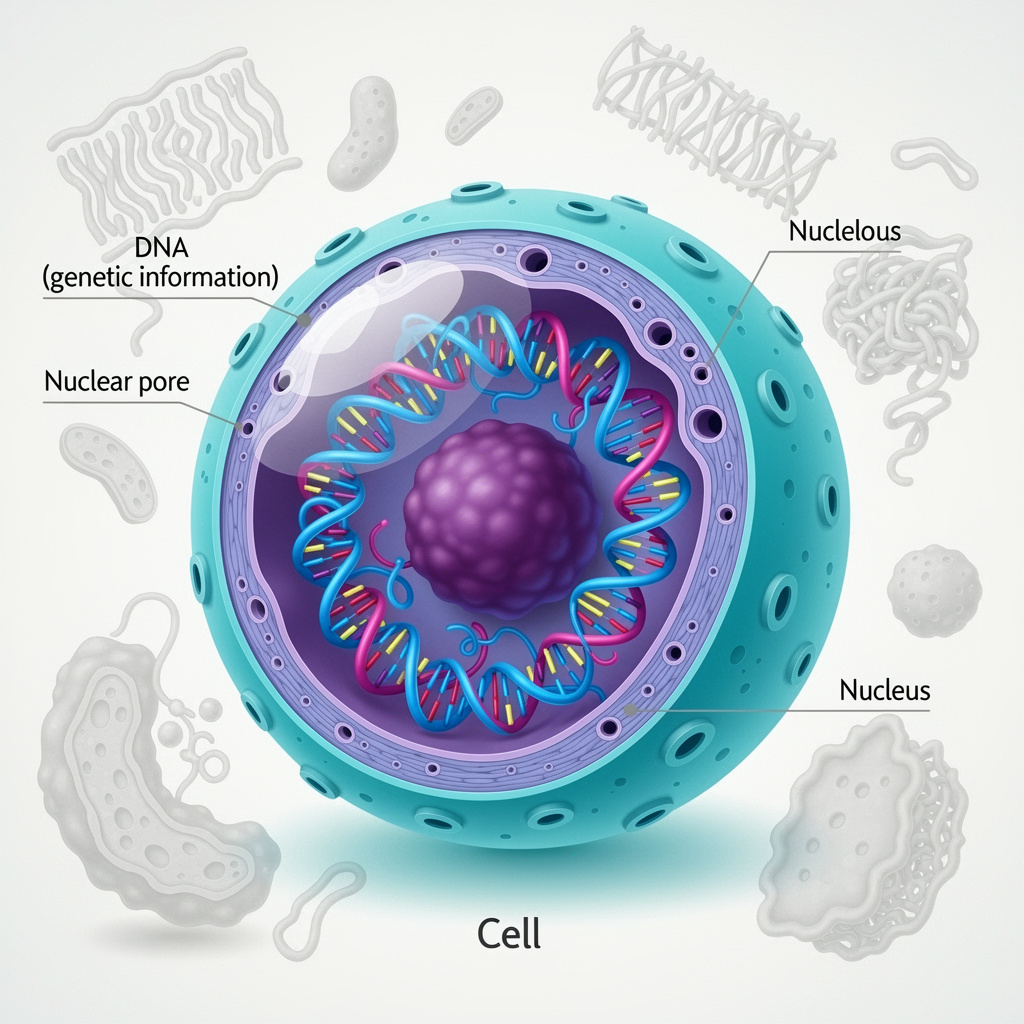
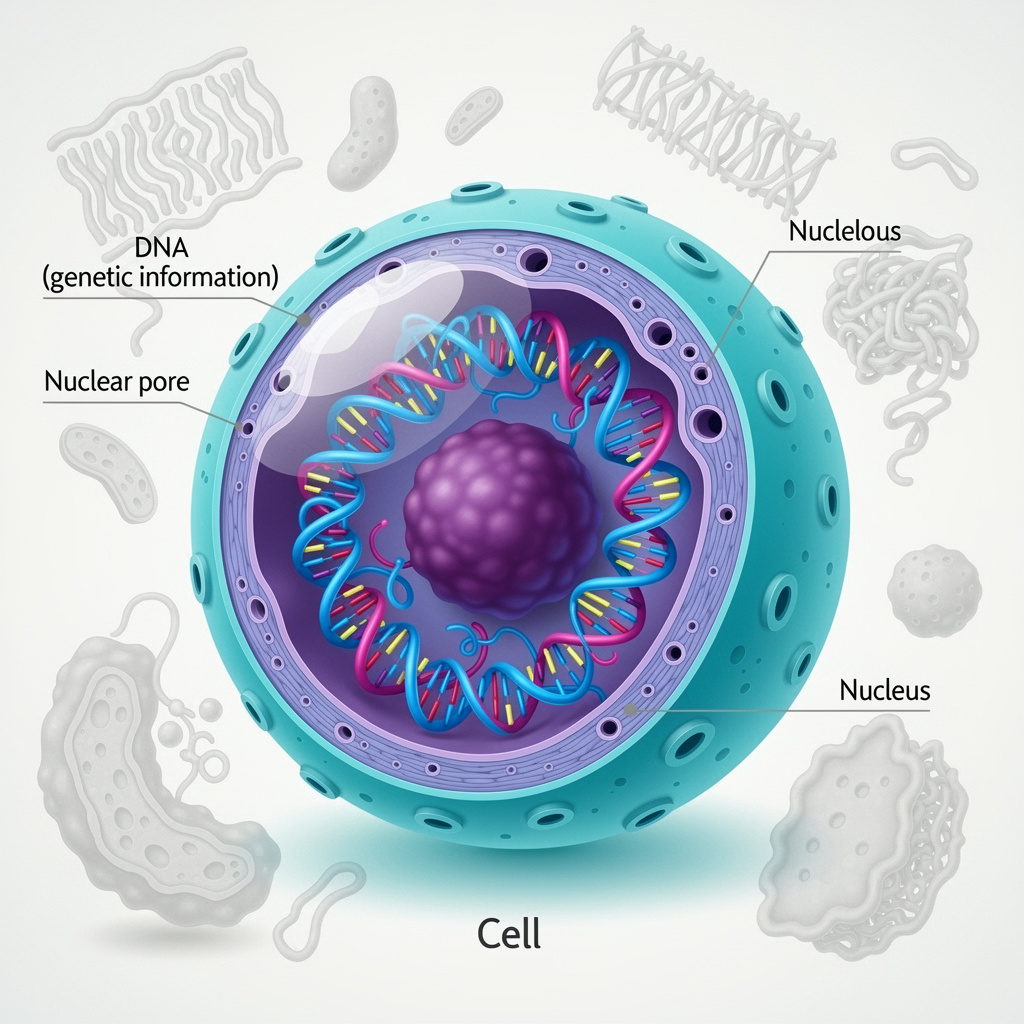
The structure of an organelle is directly related to its function, a principle known as structure–function correlation. Each cellular component is designed in a specific way to perform its role efficiently. For example, the folded inner membrane of mitochondria increases energy output by providing a larger surface area for reactions, ribosomes have compact structures that enable rapid protein synthesis, and the nucleus contains pores that allow controlled molecular exchange between the nucleus and cytoplasm. This level of structural precision ensures maximum efficiency within the cell and allows complex biological processes to occur smoothly and in an organized manner.
12 Ultimate Functions of Organelles
1. Genetic Information Storage
Genetic information storage is a vital cellular function that ensures continuity of life and proper control of cellular activities. The nucleus stores DNA and regulates gene expression, acting as the control center of the cell. By protecting genetic material and controlling when and how genes are activated, this structure directs processes such as growth, protein production, and cell division. Proper regulation of genetic information allows the cell to respond to internal and external signals while maintaining stability and accurate transmission of hereditary traits.
2. Energy Production
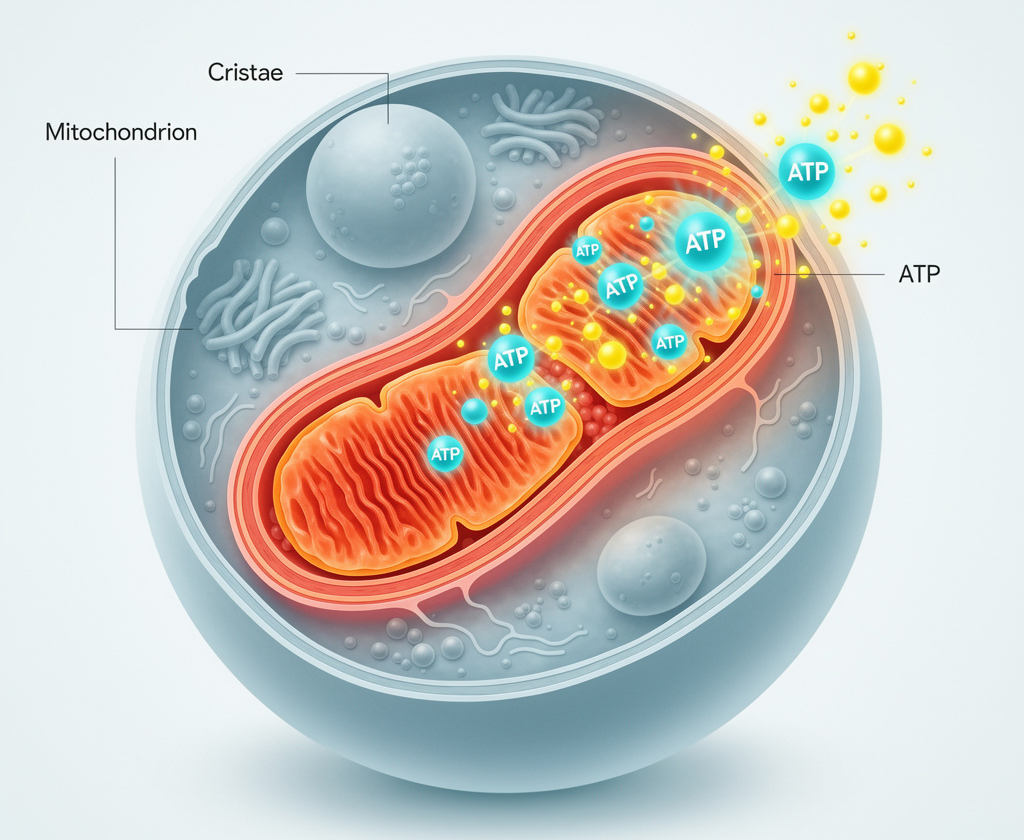
Energy production is a crucial cellular process that powers all biological activities. Mitochondria convert nutrients into ATP, the cell’s energy currency, through a series of controlled chemical reactions. This energy is used for growth, repair, movement, and metabolic functions. By efficiently releasing energy from food molecules, these structures ensure that the cell has a constant supply of power to maintain its functions and respond to changing demands.
3. Protein Synthesis
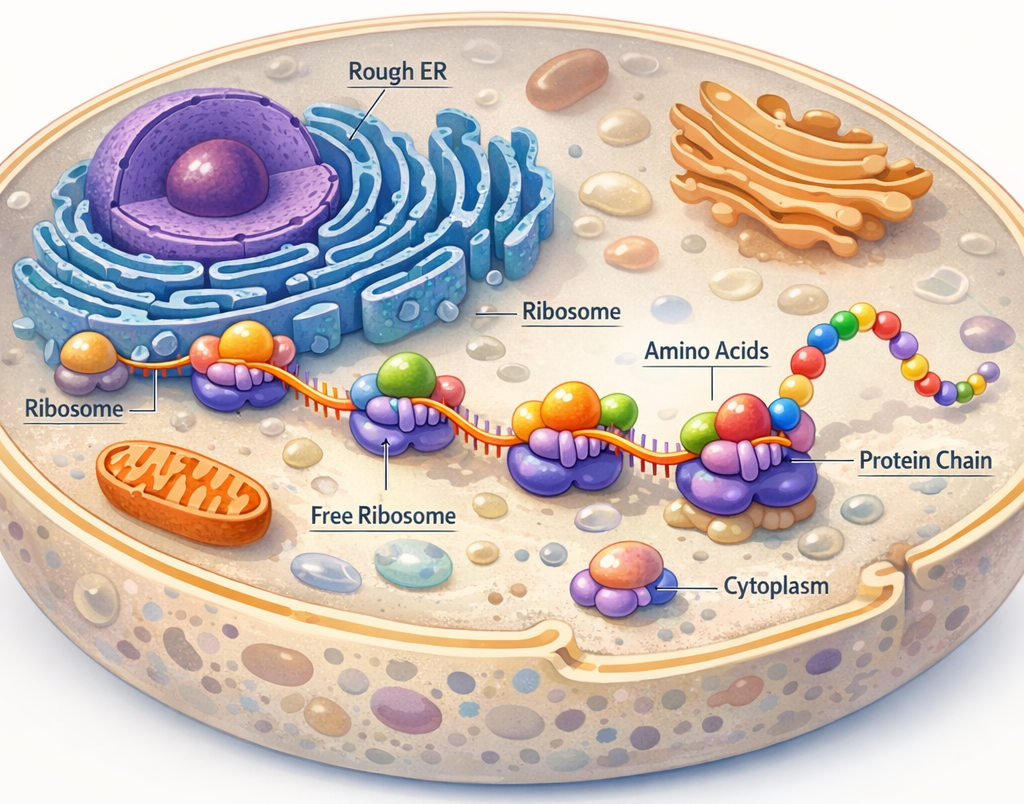
Protein synthesis is an essential cellular process responsible for building the molecules needed for structure and function. Ribosomes assemble amino acids into proteins by following genetic instructions carried by messenger RNA. These proteins act as enzymes, hormones, and structural components, supporting growth, repair, and regulation. Accurate and efficient protein formation is necessary for normal cellular activity and overall biological balance.
4. Lipid Synthesis
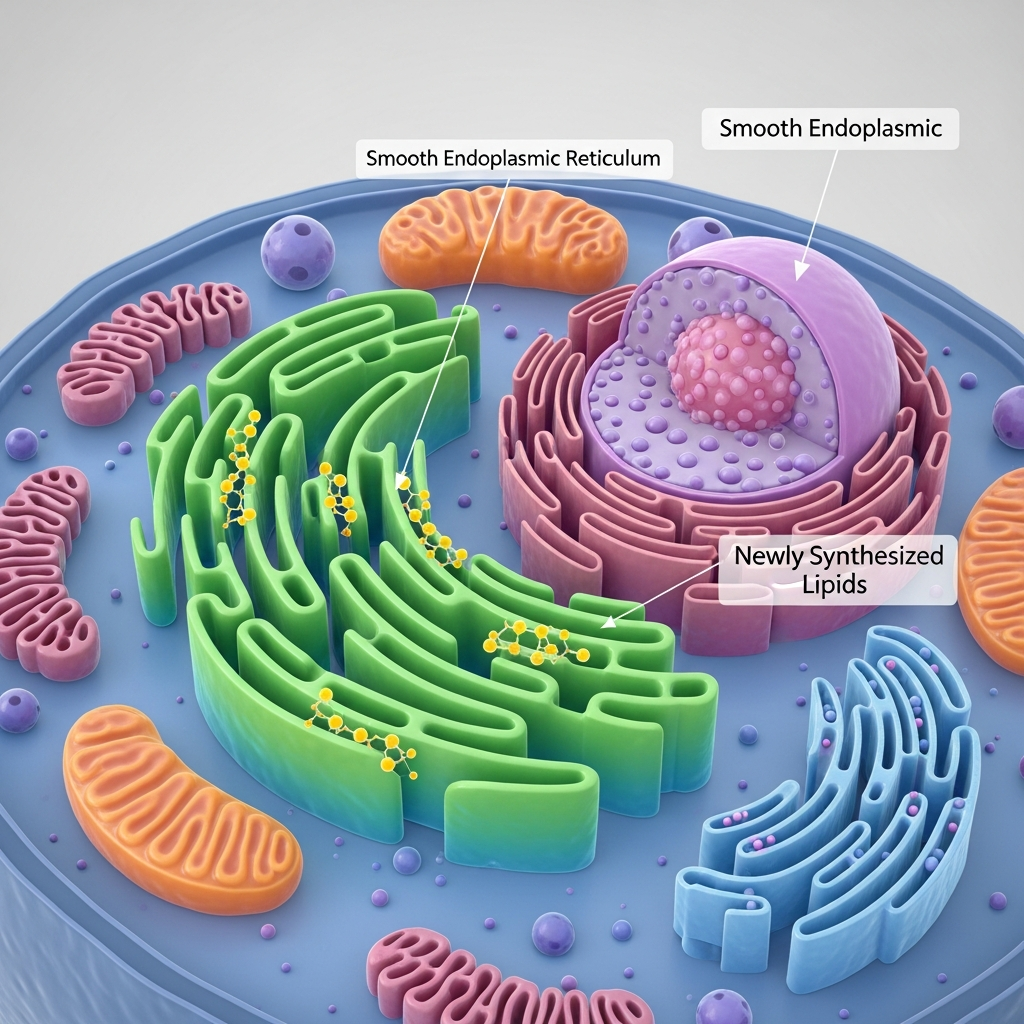
Lipid synthesis is a vital cellular process involved in the formation of fats and related molecules. Smooth endoplasmic reticulum produces lipids and steroids that are essential for building cell membranes, producing hormones, and storing energy. These substances also play an important role in cell signaling and maintaining membrane flexibility. Efficient lipid production supports proper cell structure, metabolism, and overall physiological balance.
5. Protein Modification
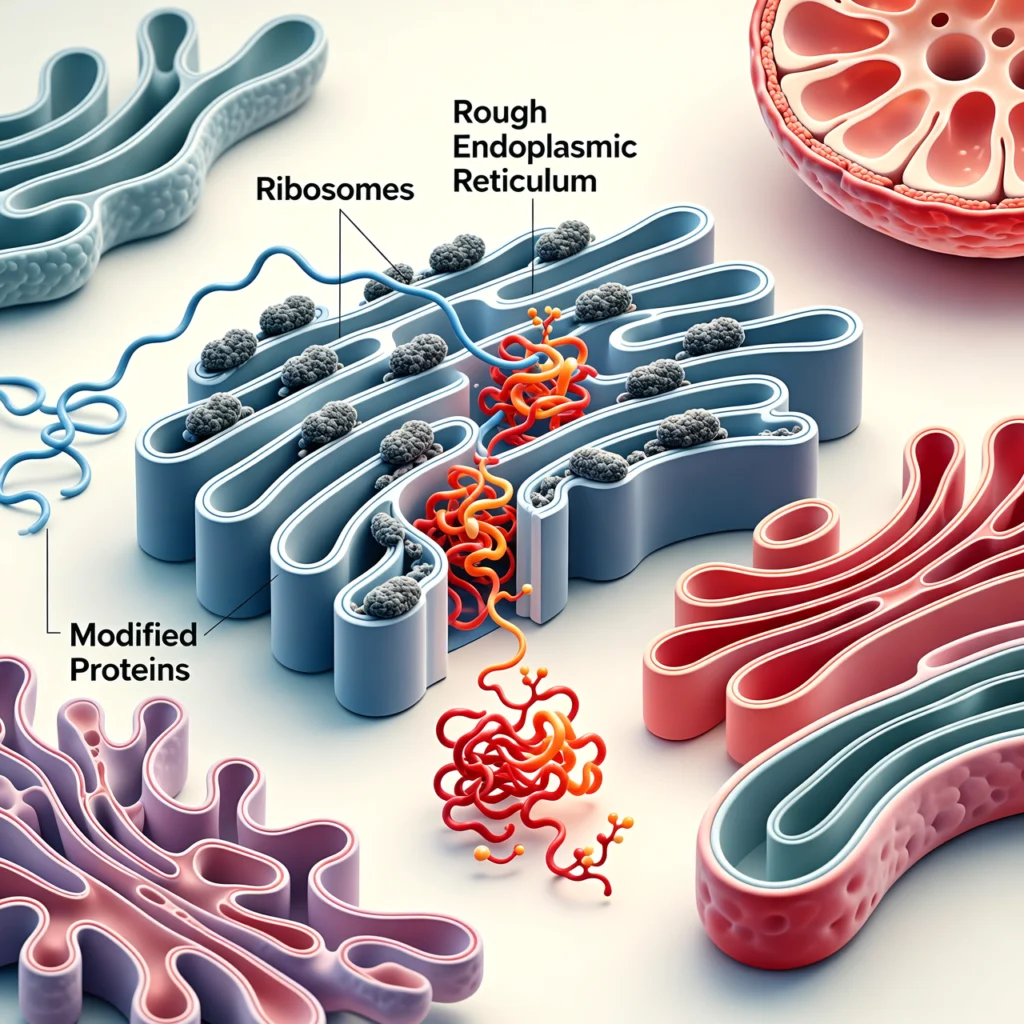
Protein modification is an important step that prepares newly formed proteins for their specific roles. Rough endoplasmic reticulum modifies newly formed proteins by folding them correctly and making initial chemical changes. This process ensures that proteins become functional and ready for transport to their target locations. Proper modification is essential for maintaining accuracy in cellular activities and preventing the accumulation of faulty proteins.
6. Packaging and Transport
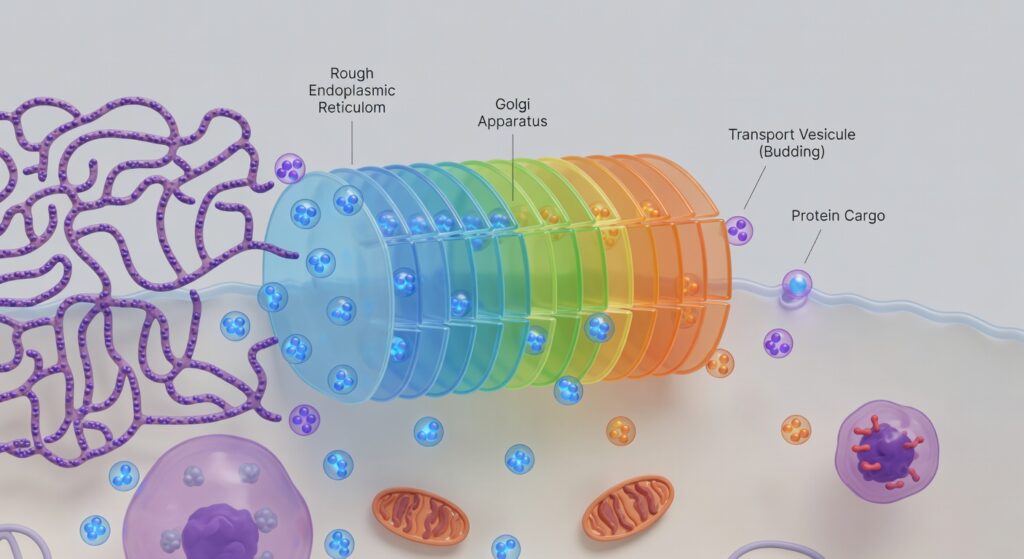
Packaging and transport are essential cellular processes that ensure materials reach their correct destinations. The Golgi apparatus sorts and ships proteins by modifying, labeling, and packing them into vesicles. These vesicles then deliver proteins to specific locations inside or outside the cell. Efficient transport maintains proper cellular organization and supports communication, secretion, and membrane renewal.
7. Waste Breakdown
Waste breakdown is a crucial cellular process that helps maintain internal cleanliness and balance. Lysosomes digest damaged organelles and waste materials by breaking them down into simpler substances. This recycling process prevents the buildup of harmful components and allows useful molecules to be reused. Efficient waste removal supports healthy cellular function and protects the cell from damage.
8. Detoxification
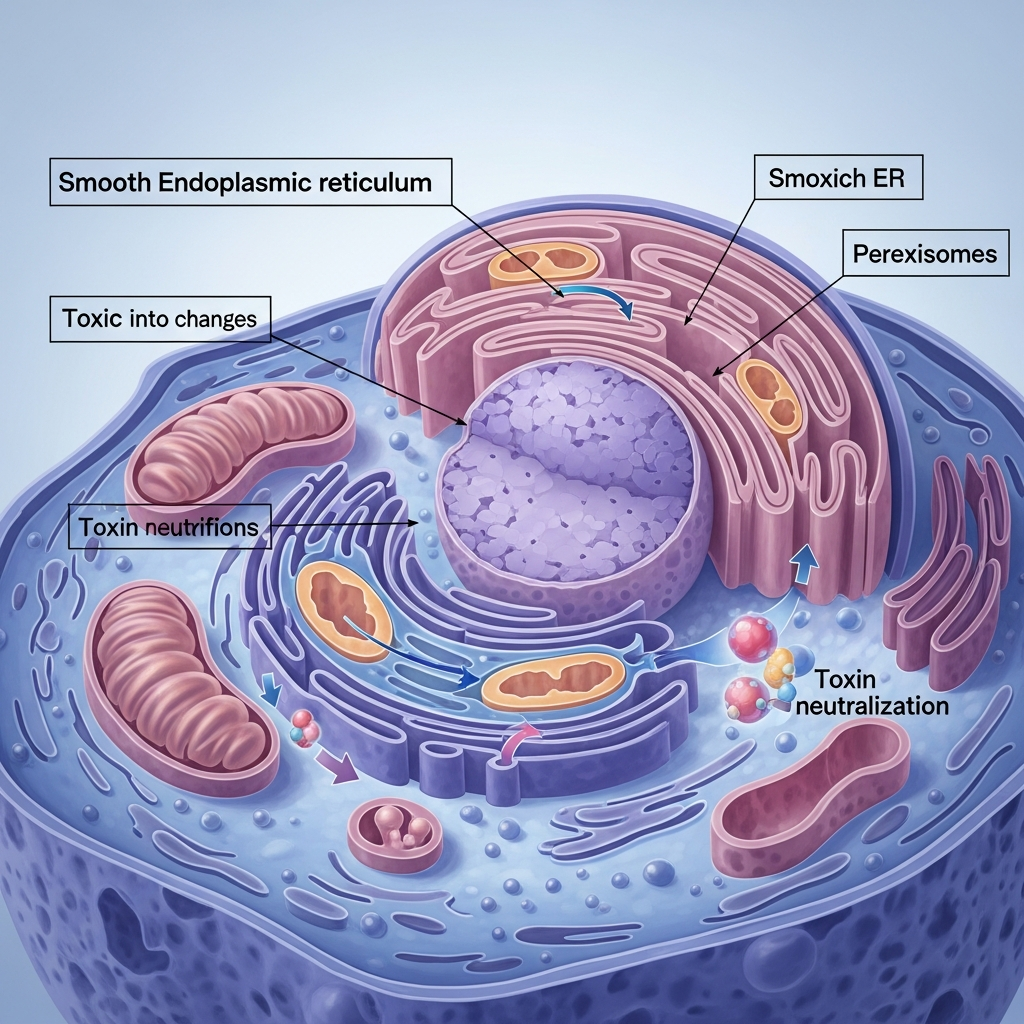
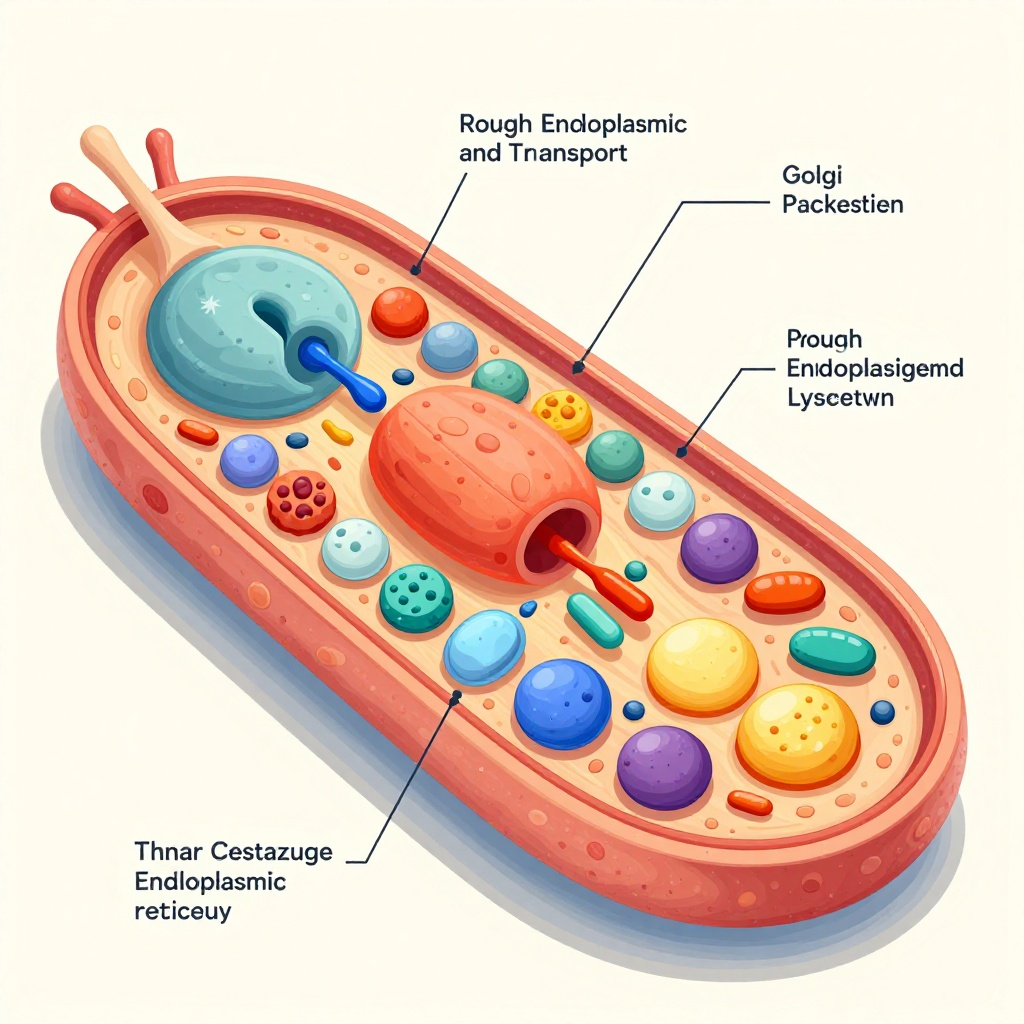
Detoxification is an important cellular process that protects the cell from harmful chemicals. Certain organelles neutralize harmful substances by converting toxins into less dangerous forms that can be safely removed. This function helps maintain internal stability and prevents damage to cellular components. Effective detoxification supports normal metabolism and enhances the cell’s ability to survive in changing environmental conditions.
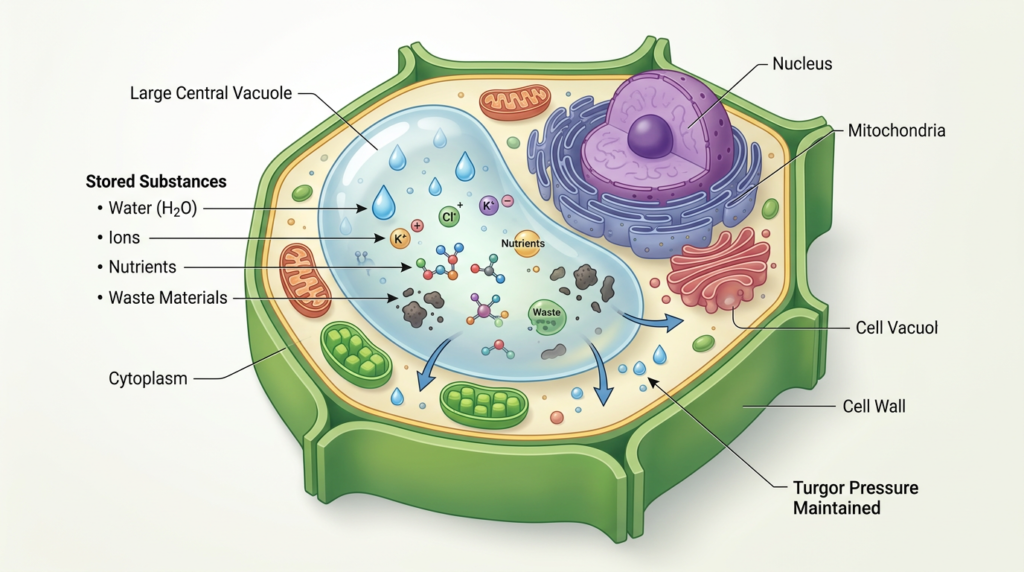
9. Storage
Storage is a vital cellular function that helps regulate internal conditions and resource availability. Vacuoles store water, ions, and nutrients, allowing the cell to maintain proper pressure and balance. These stored materials can be released when needed for metabolic activities or growth. Effective storage supports stability, survival during unfavorable conditions, and overall cellular efficiency.
10. Photosynthesis
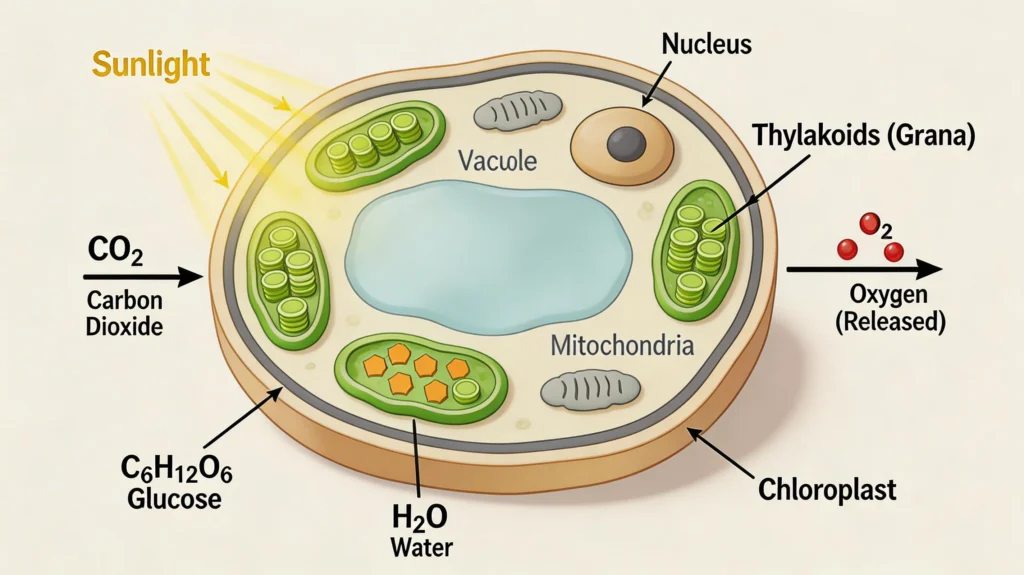
Photosynthesis is a fundamental biological process that supports life on Earth. Chloroplasts convert light energy into chemical energy, which is stored in the form of glucose. This process provides food for plants and forms the base of most food chains. By producing energy-rich compounds and releasing oxygen, photosynthesis plays a key role in maintaining ecological balance and supporting living organisms.
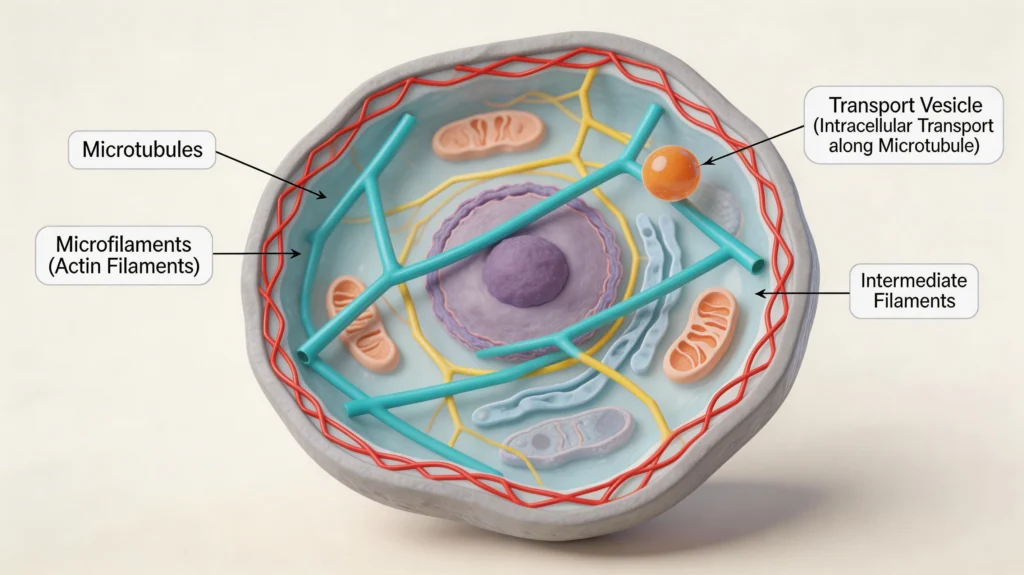
11. Structural Support
Structural support is essential for maintaining the shape and stability of the cell. The cytoskeleton maintains cell shape and movement by forming a network of protein filaments within the cytoplasm. This framework provides mechanical strength, enables intracellular transport, and allows the cell to change shape when needed. Proper structural support ensures efficient functioning and coordination of cellular activities.
12. Cell Division
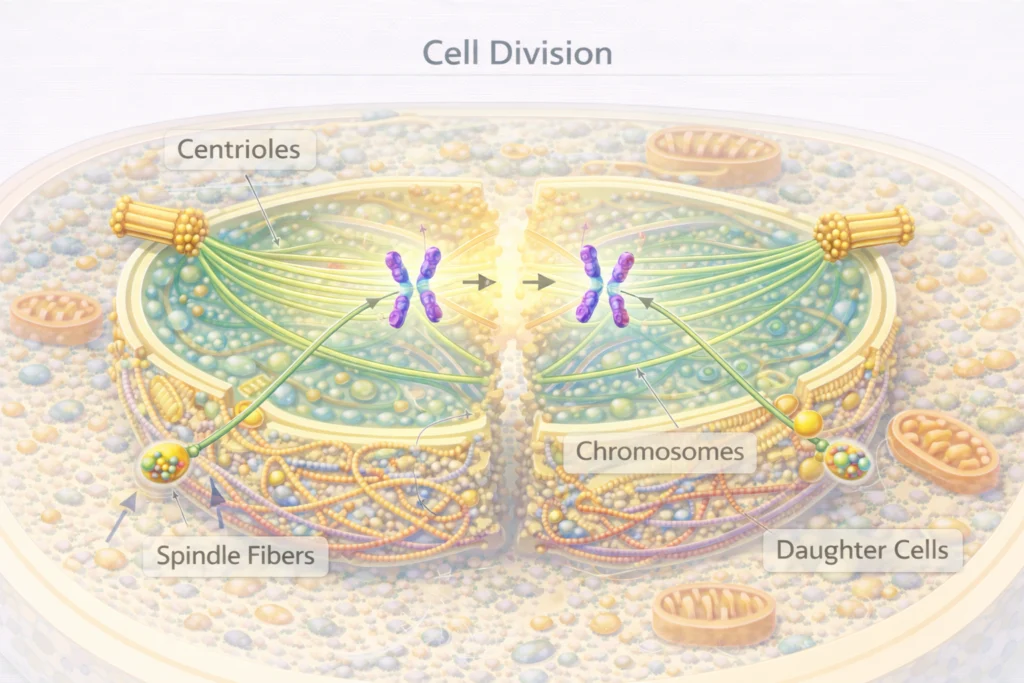
Cell division is a vital process that allows growth, repair, and reproduction. Centrioles assist in chromosome separation during mitosis by helping organize the spindle fibers that pull chromosomes apart. This ensures accurate distribution of genetic material to daughter cells. Proper coordination of this process is essential for maintaining genetic stability and normal cellular function.
Organelle Differences in Plant and Animal Cells
| Feature | Plant Cells | Animal Cells |
|---|---|---|
| Chloroplast | Present | Absent |
| Vacuole | Large central | Small or absent |
| Cell Wall | Present | Absent |
| Centrioles | Usually absent | Present |
These differences reflect the unique biological roles of plants and animals.
Why Organelles Are Essential for Life
Without an organelle system, cells would be chaotic and inefficient. Compartmentalization allows:
- Faster reactions
- Reduced errors
- Better regulation
- Higher survival efficiency
The evolution of organelles marked a major step toward complex life.
Common Misconceptions About Organelles
- All cells have the same organelles – False
- Organelles exist only in animals – False
- Organelles are independent units – False
Each organelle functions as part of an integrated cellular system.
Why Cellular Structures Are Fundamental to Life
The organelle is the foundation of cellular organization and biological efficiency. Each organelle performs a specific, essential function that collectively allows cells to grow, adapt, and survive.
By understanding organelles, we gain insight into how life operates at its most fundamental level. This knowledge is essential for students, educators, and anyone interested in biology, medicine, or life sciences.
FAQs About Organelle
What is the simplest definition of an organelle?
An organelle is a specialized structure inside a cell that performs a specific function.
Are organelles found in all cells?
Most organelles are found only in eukaryotic cells, not in prokaryotes.
Which organelle produces energy?
The mitochondrion is responsible for energy production.
Why is the nucleus important?
It controls cell activities and stores genetic material.
Can a cell survive without organelles?
Complex cells cannot survive without essential organelles.
Are ribosomes considered organelles?
Yes, ribosomes are non-membrane-bound organelles.
You may also visit the Biology section.
🌐 Connect With Us
👉 Informosio Tech – Science & Technology news, AI trends, gadgets, and innovations.