Eukaryote
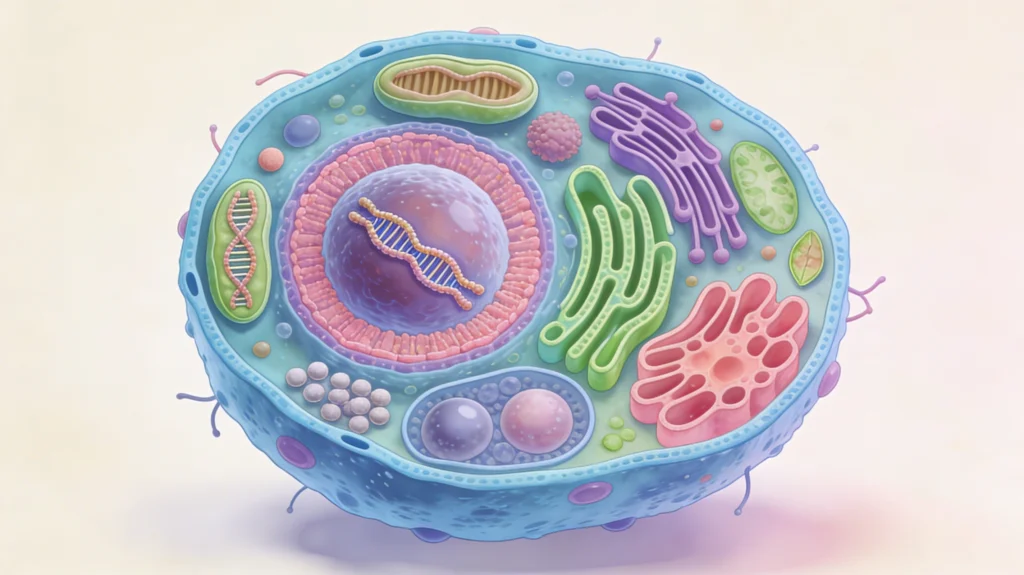
A eukaryote is an organism whose cells contain a true nucleus and membrane-bound organelles. This defining feature separates eukaryotic organisms from simpler life forms and allows greater biological complexity.
The concept of the complex cell is fundamental to biology because humans, plants, animals, fungi, and many microorganisms belong to this group. Understanding how a eukaryote functions helps explain cellular organization, evolution, and life processes at an advanced level.
This article provides a complete, clear, and scientifically accurate explanation of the nucleated cells, suitable for students, educators, and biology enthusiasts.
What Is a Eukaryote?
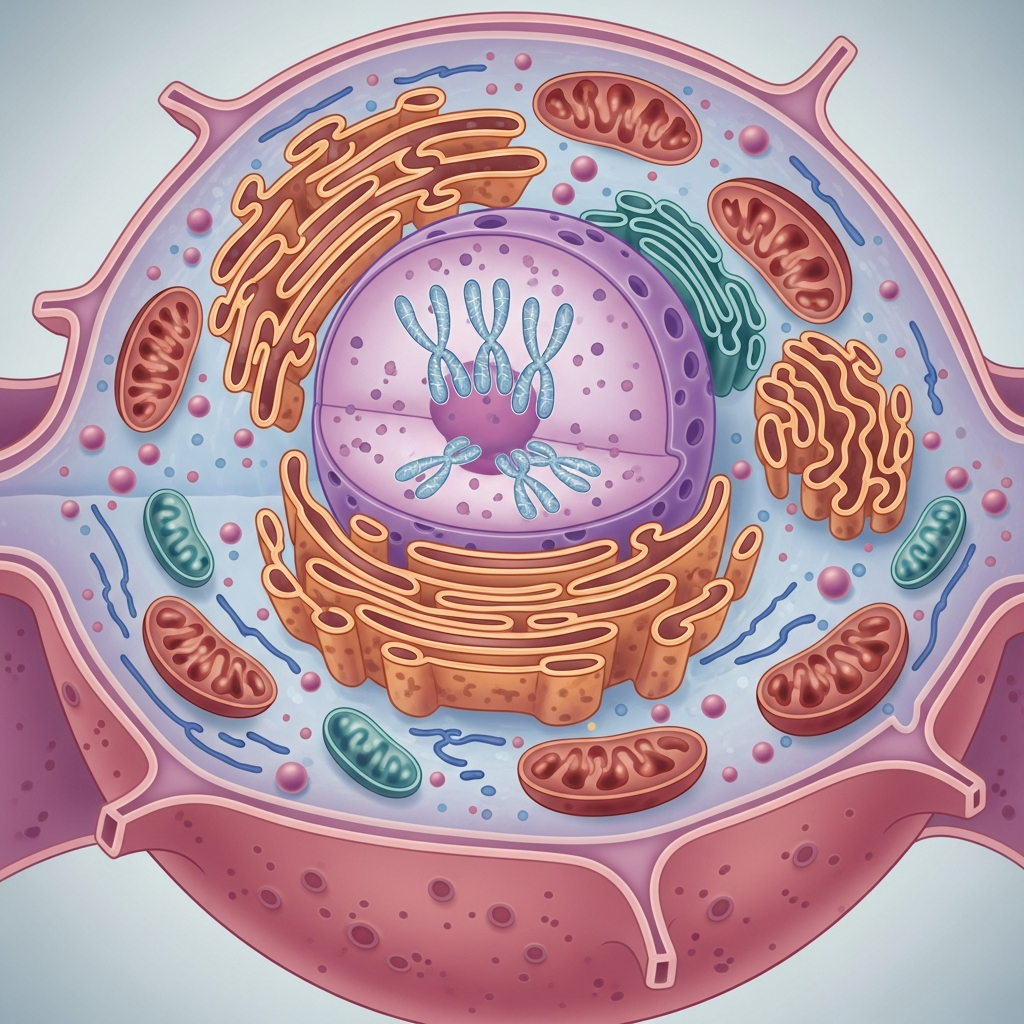
A eukaryote is a type of organism whose cells are highly organized and structurally complex compared to simpler life forms. These organisms can be unicellular or multicellular, and they include animals, plants, fungi, and many microorganisms. A eukaryote is any organism composed of one or more cells that contain a well-defined nucleus, DNA enclosed within a nuclear membrane, and specialized membrane-bound organelles. This advanced cellular organization allows eukaryotic organisms to carry out complex biological processes such as efficient energy production, regulated gene expression, and cellular specialization, which are essential for the development and maintenance of complex life.
The word eukaryote originates from Greek:
- Eu meaning “true”
- Karyon meaning “nucleus”
This structure allows eukaryotic cells to perform complex metabolic activities efficiently.
Key Characteristics of Eukaryotes
Eukaryotes share several essential characteristics that distinguish them from prokaryotic organisms.
Presence of a True Nucleus
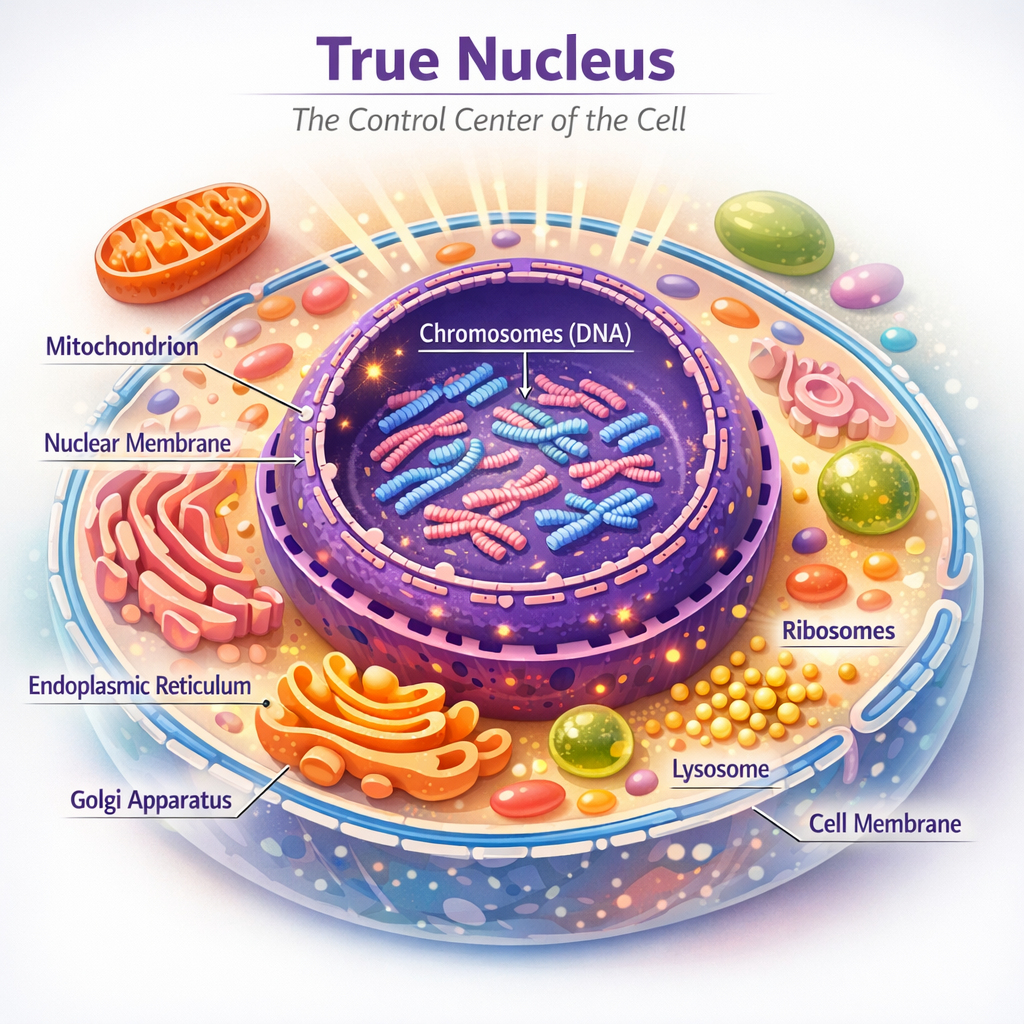
One of the most important features of advanced cells is the presence of a true nucleus, which acts as the control center of the cell. The nucleus stores genetic material in the form of linear chromosomes, ensuring that DNA is protected and organized efficiently. It controls cell growth, metabolism, and reproduction by regulating gene expression and coordinating cellular activities. The nuclear membrane separates genetic material from the cytoplasm, allowing precise control over vital processes and contributing to the overall complexity and efficiency of the cell.
Membrane-Bound Organelles
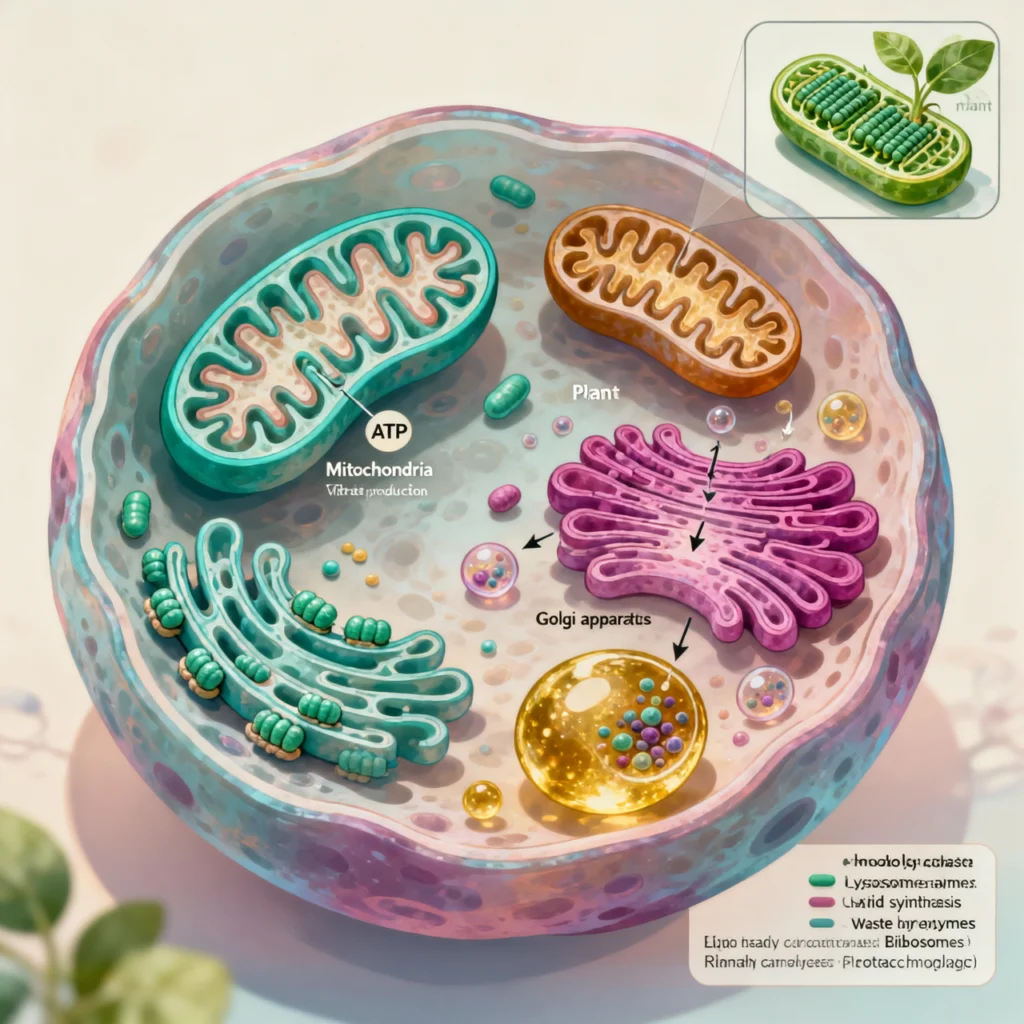
Membrane-bound organelles are specialized structures within the cell that perform specific functions essential for survival. Organelles compartmentalize cellular functions, improving efficiency and regulation by allowing different biochemical processes to occur in separate, controlled environments. Structures such as mitochondria, endoplasmic reticulum, Golgi apparatus, and lysosomes each carry out distinct roles, including energy production, protein synthesis, and waste breakdown. This internal organization enables the cell to function smoothly and respond effectively to changing conditions.
Major organelles include:
- Mitochondria
- Endoplasmic reticulum
- Golgi apparatus
- Lysosomes
- Chloroplasts (in plants)
Larger Cell Size
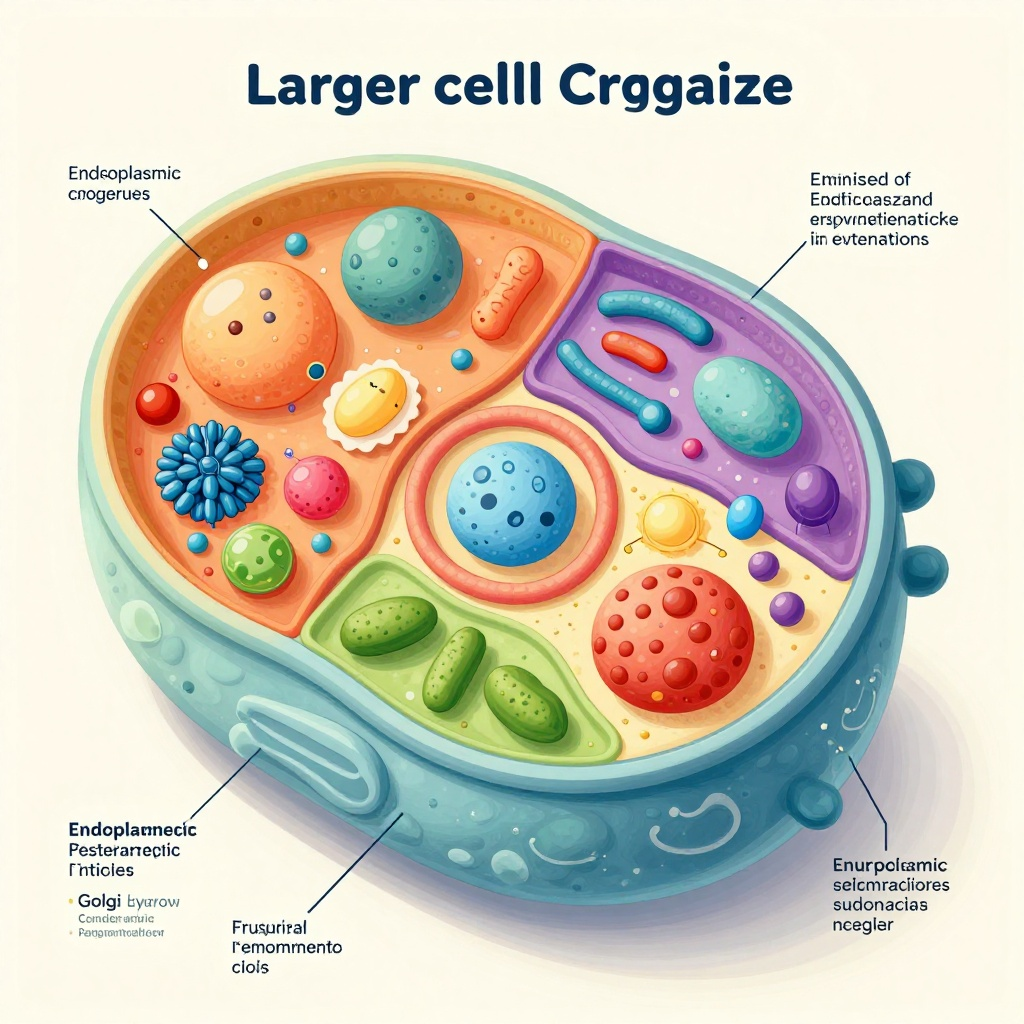
Larger cell size is a key feature of complex cells and plays an important role in their advanced functioning. A eukaryote is generally larger and more complex than prokaryotic cells, allowing specialization of structures and functions within the cell. The increased size provides space for membrane-bound organelles, enabling efficient division of labor and better regulation of metabolic activities. This structural complexity supports higher levels of organization, adaptability, and biological efficiency.
Structural Organization of a Eukaryotic Cell
The structure of a eukaryotic cell is highly organized.
| Organelle | Function |
|---|---|
| Nucleus | Stores DNA and controls cell activity |
| Mitochondria | Produces ATP through respiration |
| Ribosomes | Protein synthesis |
| Endoplasmic Reticulum | Protein and lipid transport |
| Golgi Apparatus | Packaging and secretion |
| Lysosomes | Intracellular digestion |
This internal organization enables a eukaryote to perform advanced biological processes.
Types of Eukaryotes
Living organisms with complex cellular organization are grouped into different categories to simplify their study. Eukaryotes are classified into four major groups based on structure and function. These include animals, plants, fungi, and protists, each showing distinct characteristics and modes of nutrition. Animals depend on external food sources, plants produce their own food through photosynthesis, fungi absorb nutrients from their surroundings, and protists display a wide range of traits. This classification helps in understanding diversity, evolution, and biological roles across life forms.
Animal Eukaryotes
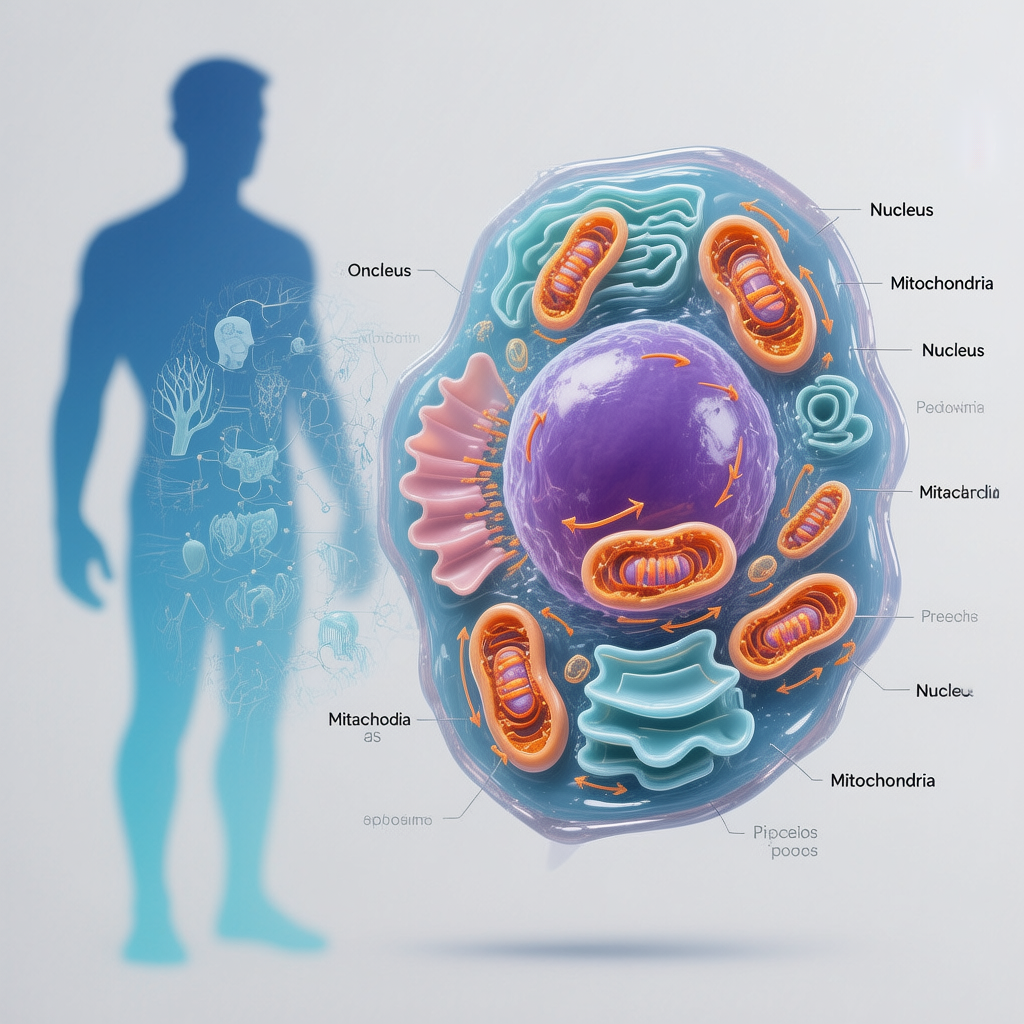
Animals are multicellular organisms with complex cellular organization and a high level of specialization. Their cells lack rigid cell walls, allowing flexibility and the formation of tissues and organs. They obtain energy by consuming organic matter and rely on advanced systems such as the nervous and muscular systems for movement and coordination. This structural and functional complexity supports active lifestyles and diverse modes of survival.
- Obtain energy by consuming organic matter
- Multicellular
- Lack cell walls
Plant Eukaryotes
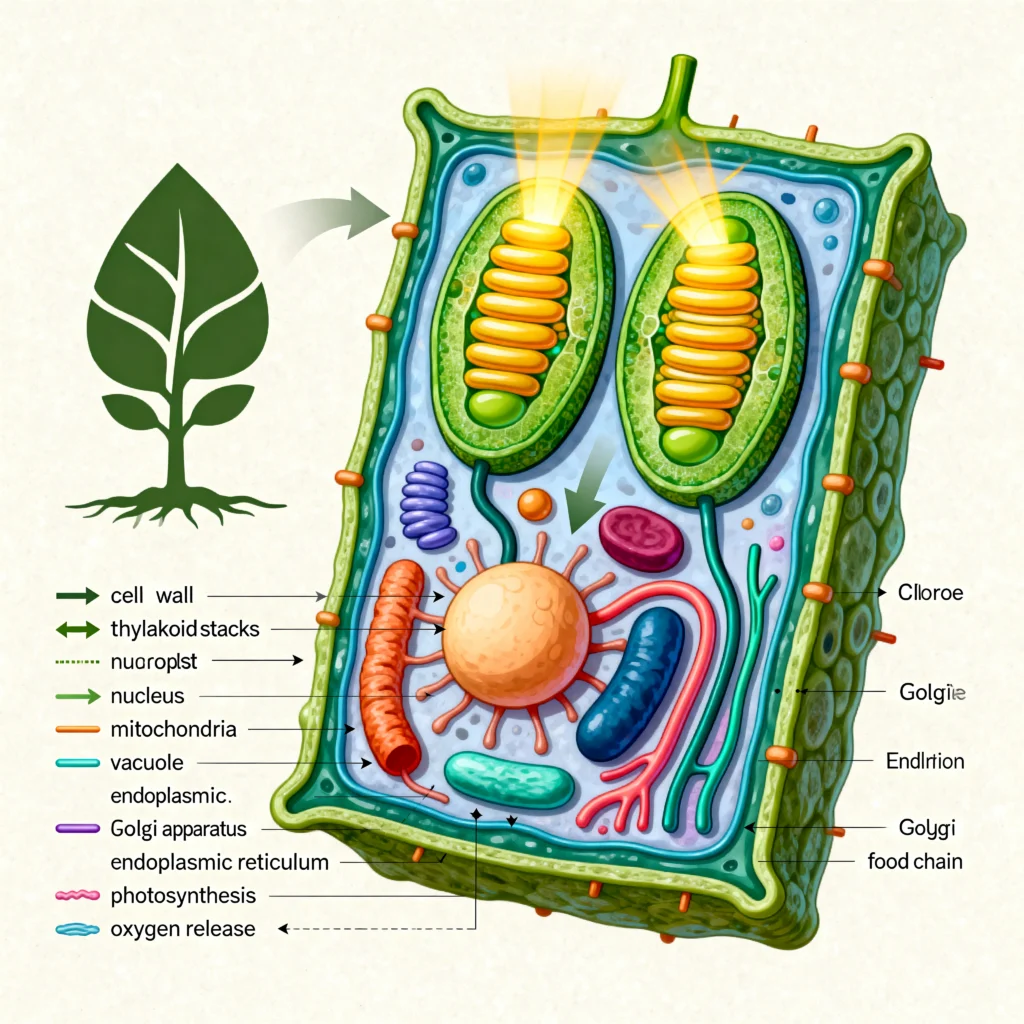
Plants are multicellular organisms with well-organized cells adapted for photosynthesis. Their cells contain chloroplasts, which capture sunlight to produce food, and rigid cell walls that provide structural support. They play a vital role in maintaining ecological balance by releasing oxygen and forming the base of most food chains. This cellular arrangement enables efficient energy production and long-term growth.
- Have rigid cell walls
- Possess chloroplasts
- Perform photosynthesis
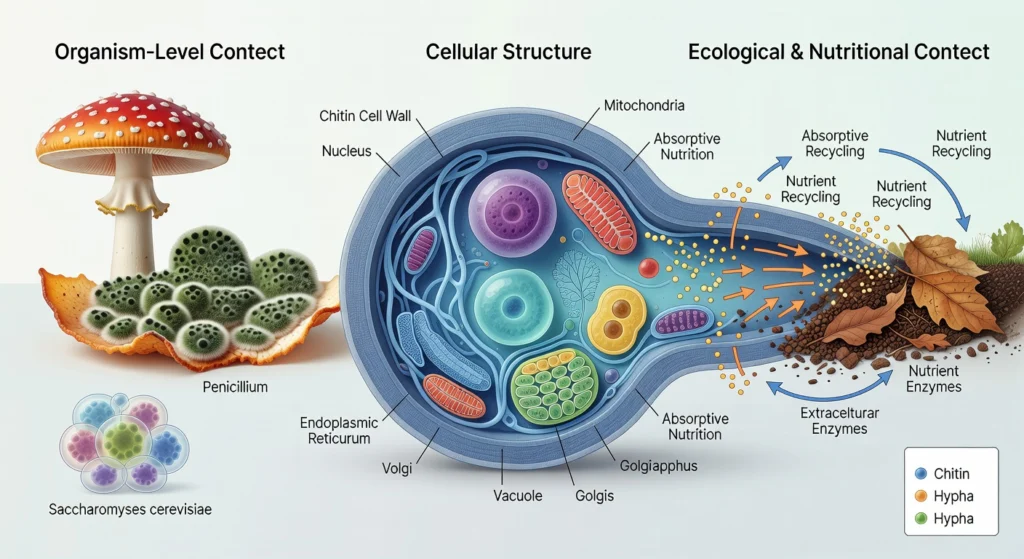
Fungal Eukaryotes
Fungi are organisms with complex cellular organization that obtain nutrients by absorbing organic matter from their surroundings. Their cells have rigid walls made of chitin, providing strength and protection. They play an essential role in ecosystems as decomposers, breaking down dead material and recycling nutrients. This group includes molds, mushrooms, and yeasts, many of which are important in food production and medicine.
- Include yeast and molds
- Absorptive nutrition
- Cell walls made of chitin
Protist Eukaryotes
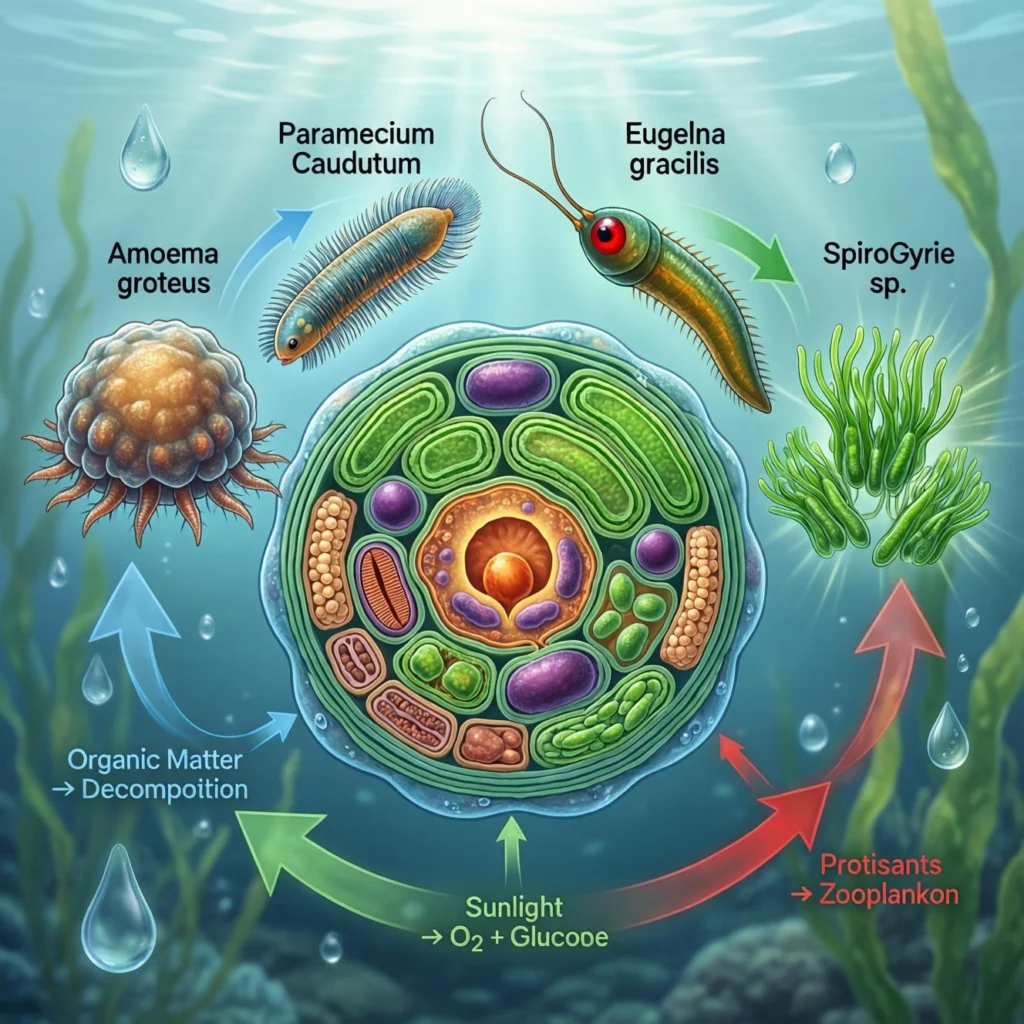
Protists are mostly single-celled organisms with a complex internal structure, though some may form simple multicellular arrangements. They display a wide variety of characteristics, with some behaving like plants, others like animals, and a few resembling fungi. Many live in aquatic environments and play important roles in food chains and nutrient cycling. This diversity makes them a key group for understanding early cellular evolution.
- Exhibit both plant-like and animal-like traits
- Mostly unicellular
Differences Between Eukaryote and Prokaryote
Understanding how a eukaryote differs from a prokaryote clarifies cellular evolution.
| Feature | Eukaryote | Prokaryote |
|---|---|---|
| Nucleus | Present | Absent |
| Organelles | Membrane-bound | Absent |
| DNA | Linear | Circular |
| Cell Size | Larger | Smaller |
| Complexity | High | Low |
This distinction explains why eukaryotic organisms can develop tissues and organs.
Origin and Evolution of Eukaryotes
The development of complex cells marks a major step in the history of life on Earth. The origin of the eukaryote is explained by the endosymbiotic theory, which states that early simple cells formed stable partnerships with other microorganisms. Over time, these internal partners evolved into essential structures such as mitochondria and chloroplasts. This long-term symbiosis increased energy efficiency and cellular complexity, allowing the evolution of advanced life forms with specialized functions.
According to this theory:
- Early prokaryotic cells engulfed other cells
- These internalized cells evolved into mitochondria and chloroplasts
- A symbiotic relationship enhanced survival
This evolutionary step allowed increased energy production and cellular specialization, leading to complex life forms.
Importance of Eukaryotes in Biology
Complex cellular life forms are central to understanding biological processes and systems. The role of eukaryotes in life sciences is immense, as they include humans, plants, animals, and many microorganisms essential for life on Earth. They form the basis of medical research, genetics, agriculture, and environmental studies. Their structured cells allow detailed study of growth, development, disease mechanisms, and evolution, making them indispensable to modern biology.
- Humans are eukaryotic organisms
- All plants responsible for oxygen production are eukaryotes
- Medical research focuses heavily on eukaryotic cells
- Agriculture depends on plant eukaryotes
Without eukaryotes, multicellular life would not exist.
Eukaryote Reproduction and Life Cycle
Reproduction in complex cellular organisms occurs through well-regulated processes that ensure growth, repair, and continuity of life. Cells divide by mitosis to produce identical daughter cells for growth and tissue maintenance, while meiosis leads to the formation of gametes for sexual reproduction. These processes allow genetic stability as well as variation, supporting adaptation and long-term survival across generations.
A eukaryote can reproduce in two main ways:
Asexual Reproduction
Asexual Reproduction is a mode of reproduction in which new individuals are produced from a single parent without the formation of gametes. It occurs through processes such as mitosis and results in offspring that are genetically identical to the parent, ensuring rapid population growth.
- Occurs through mitosis
- Produces genetically identical offspring
Sexual Reproduction
Sexual Reproduction is a process in which two parent cells contribute genetic material to form a new individual. It involves meiosis and fertilization, leading to genetic variation that helps populations adapt and evolve over time.-
- Involves meiosis
- Generates genetic variation
- Essential for evolution
This reproductive flexibility contributes to adaptability and survival.
Real-Life Examples of Eukaryotes
Real-Life Examples of Eukaryotes include humans, animals, plants, fungi, and many microscopic organisms such as amoeba and algae. These living forms show complex cell structures and perform advanced life processes like growth, respiration, and reproduction in everyday environments.
Common examples of eukaryotes include:
- Humans
- Trees
- Mushrooms
- Amoeba
- Algae
These examples demonstrate the diversity and adaptability of eukaryotic life.
Academic Sources Consulted
- Wikipedia – Eukaryote
- Britannica – Eukaryotic Cells
- Nature Scitable – Eukaryote Definition
- ScienceDirect – Eukaryote Overview
- BYJU’S Biology
- NHS Genomics Education
- Biology Online
- Georgia Tech Organismal Biology
- Visible Body – Eukaryotic Cells
Closing Remarks
A eukaryote represents one of the most advanced forms of cellular organization in biology. With a true nucleus, specialized organelles, and complex genetic control, eukaryotes form the foundation of multicellular life.
Understanding the eukaryote not only explains how organisms function but also reveals how life evolved from simple beginnings into complex systems. This knowledge is essential for biology, medicine, and environmental science.
For more details, visit Biology
🌐 Connect With Us
Informosio Tech – Science & Technology news, AI trends, gadgets, and innovations