
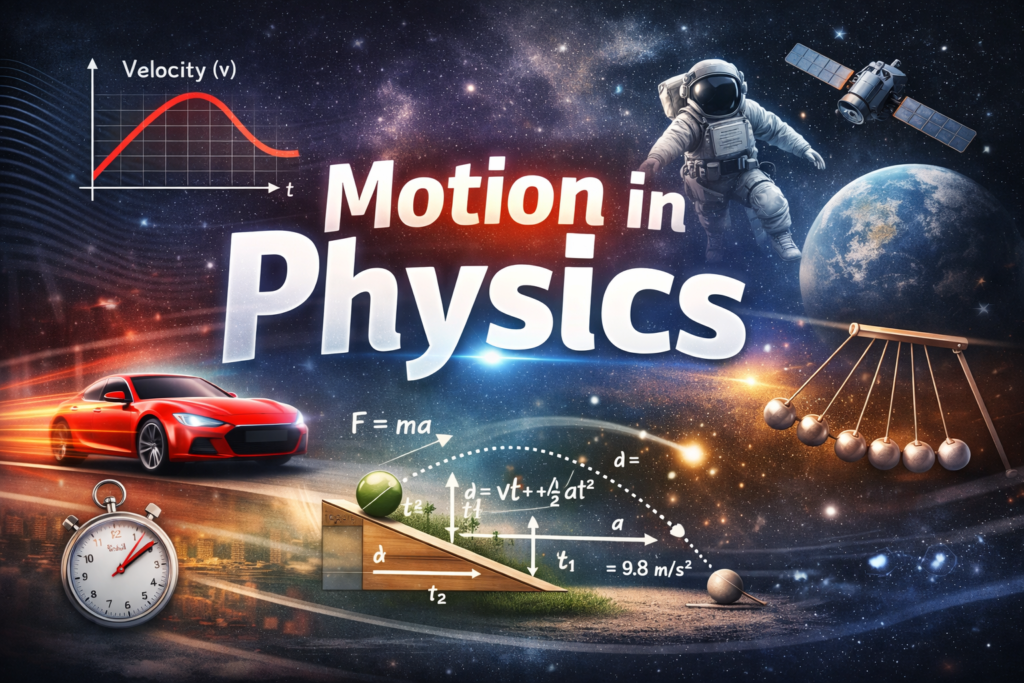
Motion in Physics is one of the most fundamental concepts in physics. Every moving car, falling leaf, orbiting planet, or running athlete demonstrates motion. Understanding movement helps students explain how objects change position over time and how forces influence movement. This article introduces physical movement in a clear, descriptive way so beginners can build a strong physics foundation. In physics, understanding how objects change their position requires careful observation of time, direction, and surroundings.
What is Motion in Physics?
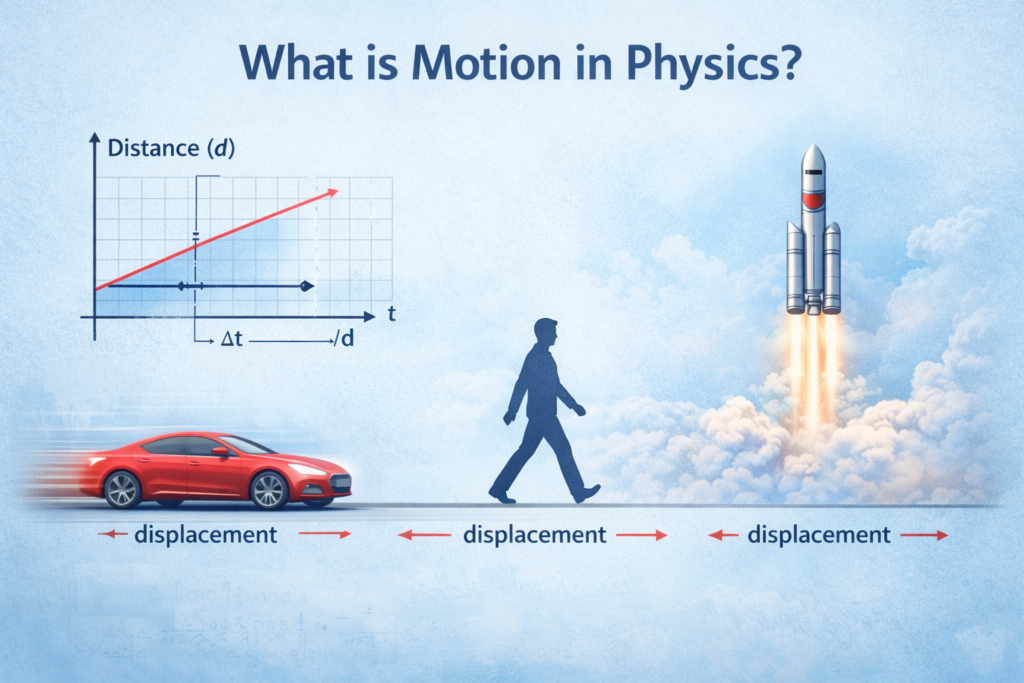
In physics, Motion is refers to the change in position of an object with respect to time and a reference point. If an object changes its location, we say that motion has occurred. Physical movement can be slow like a walking person or extremely fast like a rocket launch. Studying movement allows scientists and students to predict how objects behave in real life. In physics, distance describes the total path covered, while displacement refers to the shortest straight-line change in position.
Motion is not only about speed; it also involves direction, distance, and time. Without understanding motion, it becomes difficult to analyze real-world phenomena such as transportation, sports, engineering, and astronomy. Understanding motion in physics helps students analyse distance, speed, and acceleration more clearly.
Types of Movement in Everyday Life
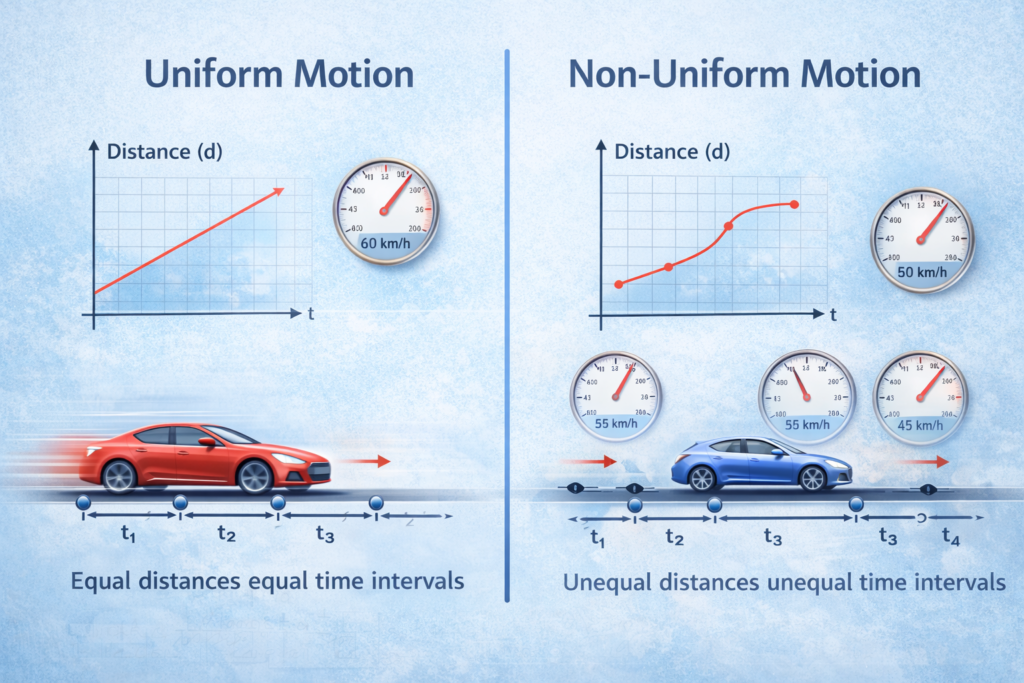
Motion appears in many forms around us. For example, a bicycle moving along a straight road shows uniform motion, while the spinning blades of a fan represent non-uniform motion. Even vibrations of a guitar string are examples of oscillatory motion.
Observing movement in daily life helps students connect theory with reality. When a bus accelerates from a stop or a ball slows down after rolling, different aspects of movement become visible. Physics uses mathematical descriptions of motion to explain these changes precisely.
Why Learning Motion is Important for Students
Understanding motion builds the base for advanced physics topics like mechanics, energy, and force. Students who master movement concepts find it easier to solve numerical problems, draw graphs, and interpret physical situations.
Movement also improves logical thinking. By analyzing speed, velocity and acceleration, learners understand relationships between time, distance, and movement. This makes physics less about memorization and more about understanding patterns. Understanding motion in physics helps students analyse distance, speed, and acceleration more clearly.
Motion and Reference Points
This concept always depends on a reference point. For example, a passenger sitting inside a moving train may appear at rest relative to another passenger, but in movement relative to the ground. This shows that movement can be relative, not absolute.
Choosing the correct reference frame is essential when studying motion. Scientists often use coordinates, graphs, and equations to describe movement accurately. Without a reference point, defining movement becomes impossible.
Real-World Examples of Motion
- A car traveling on a highway demonstrates uniform or non-uniform motion depending on speed changes.
- A football kicked into the air follows a curved path showing projectile motion.
- Earth revolving around the Sun is a large-scale example of periodic motion.
By studying such examples, students see how motion connects physics with real experiences.
Real-Life Observation and Learning
Students often understand physical concepts better by observing everyday situations. Watching vehicles on a road, people walking in a park, or objects falling from a height helps learners connect theory with reality. By relating classroom ideas to daily life, learners develop stronger analytical skills and remember concepts more effectively during exams. Understanding motion in physics helps students analyse distance, speed, and acceleration more clearly.
Key Characteristics of Object Movement
When describing motion, physicists usually consider:
- Change in position
- Time taken
- Direction of movement
- Rate of change of speed
These characteristics allow us to compare different types of movement. For instance, two runners may cover the same distance, but their motion differs if one takes less time.
Mathematical Description Using Graphs
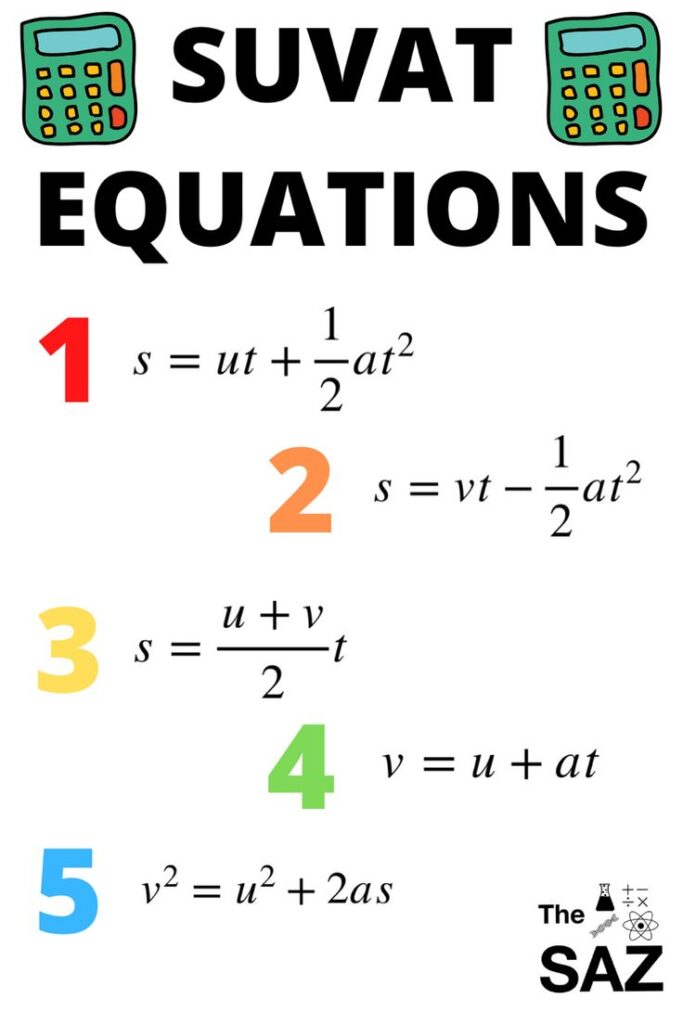
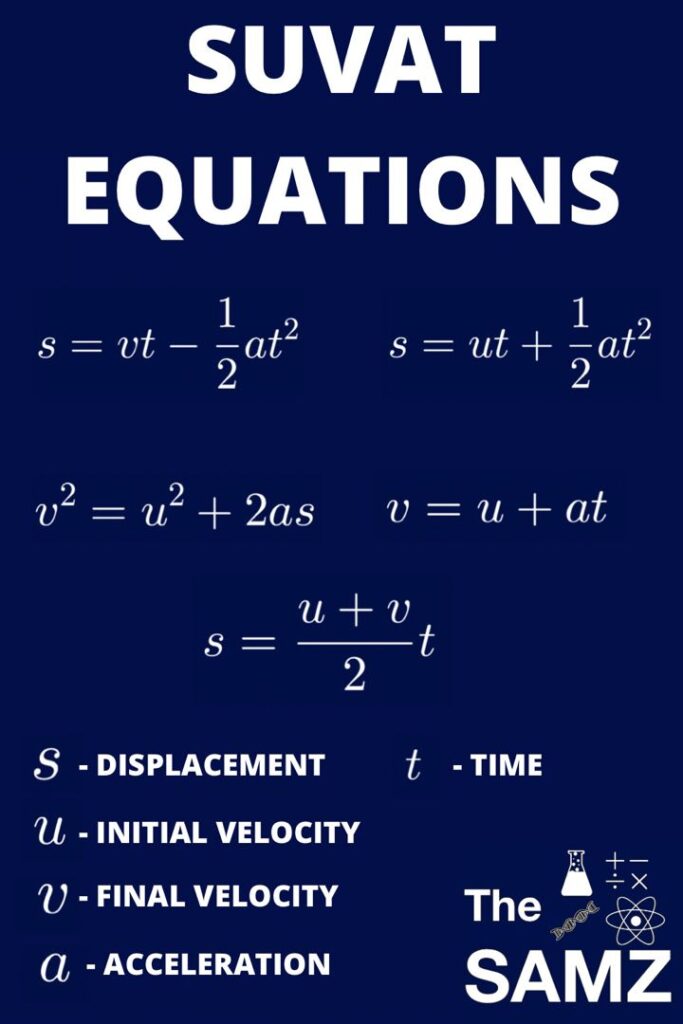
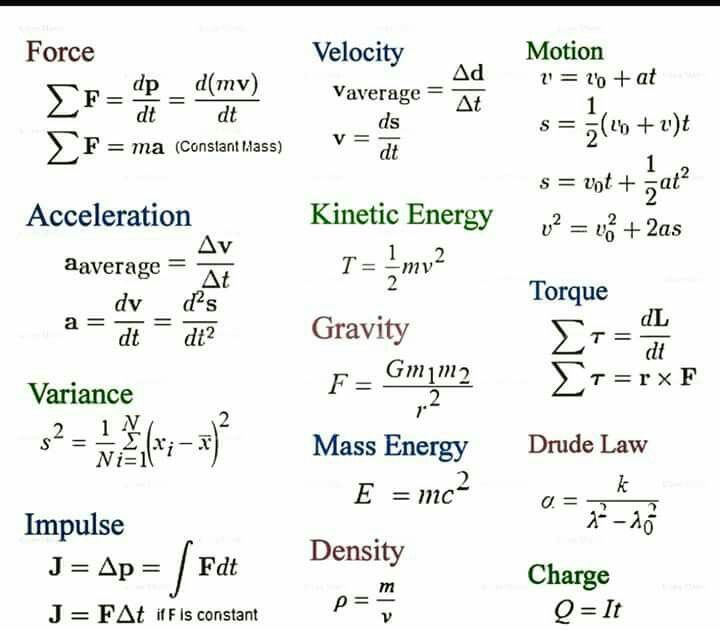
Physics uses formulas and graphs to explain motion clearly. Physical movement can be represented using equations that relate speed, velocity, and acceleration. These mathematical tools help students calculate unknown values and predict future motion. Students can learn more in the detailed guide on equations of motion.
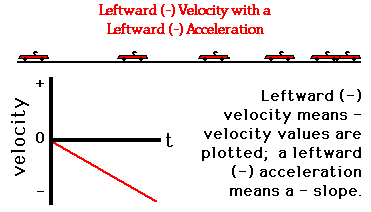
Graphical representation of motion is also important. Distance-time and velocity-time graphs visually show how physical movement changes. Such graphs make complex movement patterns easier to understand. Understanding displacement helps students interpret graphs more clearly because direction plays an important role in analysing movement.
Motion in Daily Technology and Science
Modern technology depends heavily on the study of movement. Engineers design vehicles by analyzing movement and acceleration. GPS systems calculate movement to track location. Even video games use physics engines based on movement principles to create realistic movements.
Learning physical movement is therefore not just academic; it connects directly with innovation and real-world problem solving.
Common Misconceptions About Motion
Many beginners think motion only means fast movement, but even a slowly growing plant shows movement over time. Another misconception is that movement always requires force; however, an object in uniform motion can continue moving without additional force if no resistance exists.
Clearing these misconceptions helps students develop a deeper understanding of physics concepts.
How to Study Motion Effectively
Students can master motion by:
- Observing movement around them
- Practicing numerical problems
- Drawing graphs to visualize movement
- Relating theory to real-life examples
Understanding average speed also helps students compare different types of movement more accurately.
Breaking motion into smaller subtopics also makes learning easier. Each concept builds on the previous one, creating a complete understanding of movement.
Conclusion
Motion is the foundation of physics and explains how objects move and interact in the universe. By understanding physical movement through examples, mathematical descriptions, and graphical analysis, students develop strong analytical skills. Starting with movement allows learners to explore deeper topics in mechanics with confidence and clarity. Overall, motion in physics builds the foundation for advanced mechanics and scientific understanding. Concepts such as distance, displacement, speed, and acceleration together build a strong foundation for beginners.
Frequently Asked Questions (FAQs) About Motion
1. What does motion in physics mean in physics?
Motion in physics refers to the change in position of an object with respect to time and a reference point.
2. What are the main types of motion?
The main types of motion in physics include uniform motion, non-uniform motion, circular motion, and oscillatory motion.
3. Why is physical movement important for students to learn?
Understanding physical movement helps students build a strong foundation for physics topics like speed, velocity, and acceleration.
4. What is the difference between speed and velocity in movement?
Speed measures how fast an object moves, while velocity includes both speed and direction.
5. How are graphs used to represent movement?
Distance-time and velocity-time graphs visually show how movement changes over time.
6. What is uniform motion?
Uniform motion occurs when an object moves at constant speed in a straight line.
Related Motion Topics
- Distance
- Displacement
- Speed
- Velocity
- Acceleration
- Uniform Motion
- Non-Uniform Motion
- Graphical Representation of Motion
- Equations of Motion
- Average Speed
➡️ For a deeper scientific explanation, you can also explore the concept of motion in physics on Wikipedia.
🌐 Connect With Us
👉 Informosio Official – General updates, current affairs, and informative content
👉 Continue your physics journey with our expert guides — visit our official website to explore more motion topics and student-friendly lessons.