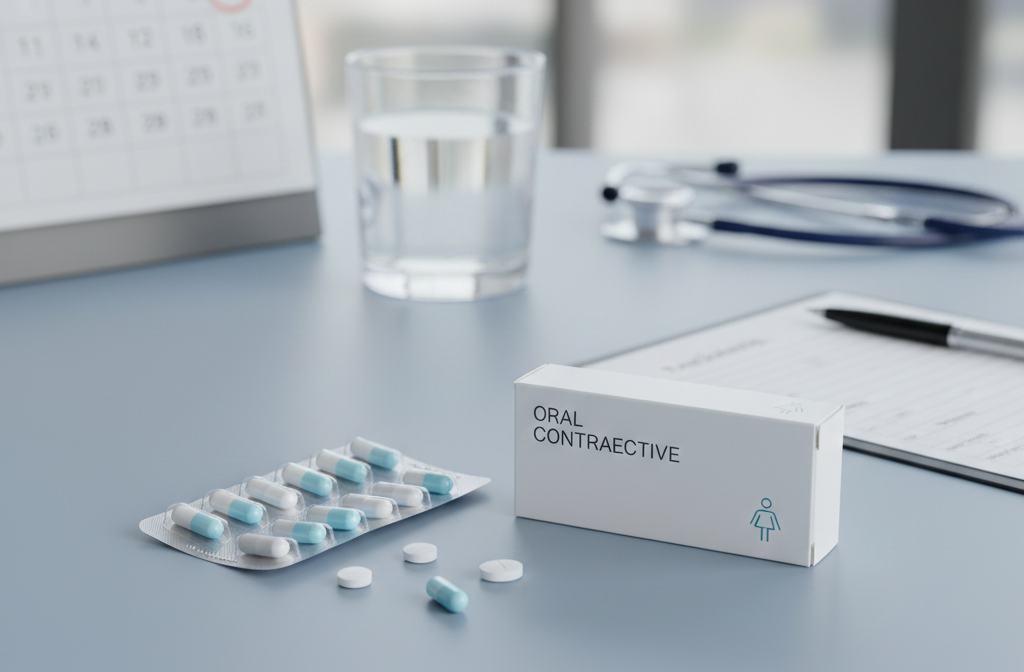
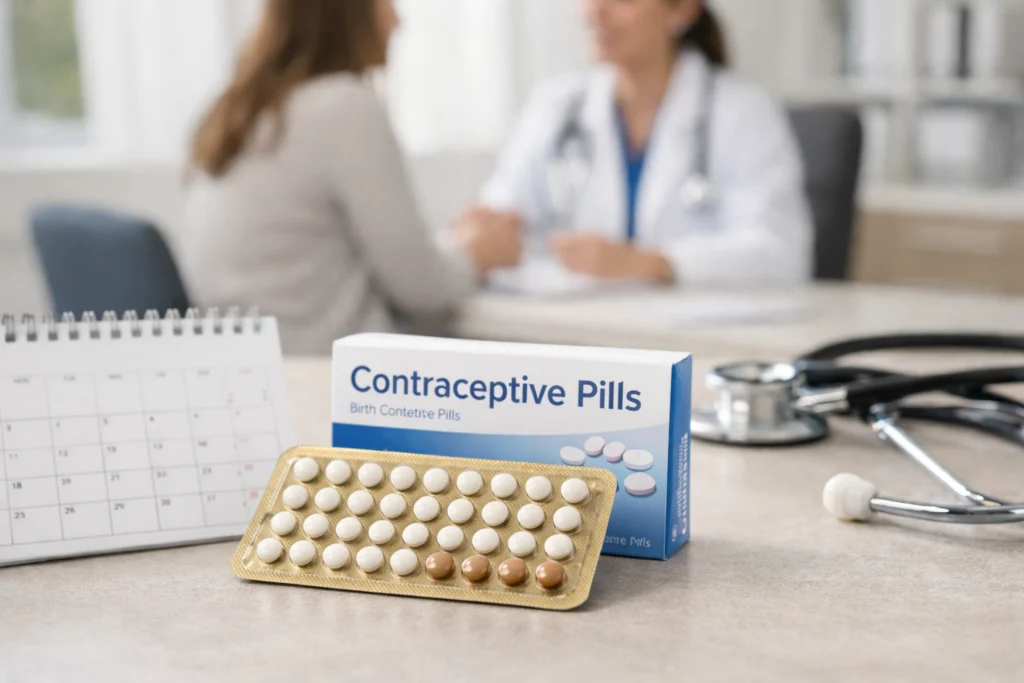
Contraceptive pills are among the most widely used and medically approved methods of birth control worldwide. For decades, healthcare providers have prescribed them as a safe, effective, and reversible option for pregnancy prevention. Their reliability and convenience have made them a preferred choice for millions seeking planned and controlled reproductive health.
Beyond preventing pregnancy, these oral medications offer several additional health benefits, including menstrual cycle regulation and improved hormonal balance. Many users also experience reduced menstrual discomfort and more predictable periods. However, understanding how they work, the different types available, potential risks, and correct usage is essential before making an informed decision.
This comprehensive guide explains everything you need to know — from how they function and who should consider using them to possible side effects and long-term safety considerations.
What Are Birth control pills?
Contraceptive pills are oral medications taken daily to prevent pregnancy. They contain synthetic versions of female hormones estrogen and progestin that regulate ovulation and reproductive functions.
These hormonal tablets work by controlling the natural reproductive cycle and preventing the release of an egg. When taken consistently and correctly they provide a reliable and reversible method of birth control for individuals seeking effective pregnancy prevention.
These pills are often referred to as:
- Birth control pills
- Oral contraceptives
- Hormonal pills
- Emergency contraceptive pills (in specific cases)
They are classified under hormonal contraceptive methods and are considered highly effective when used correctly.
Types of Contraceptive Pills
Understanding the different types of contraceptive pills helps determine the right option for individual needs.
1. Combination Contraceptive Pills
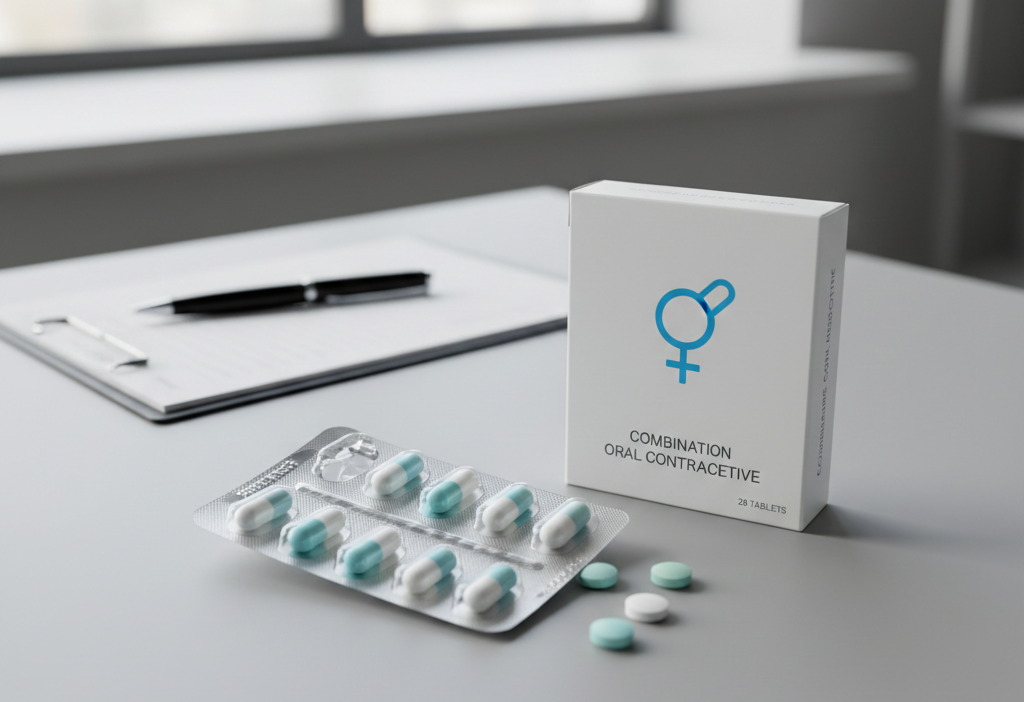
Combination contraceptive pills are oral birth control tablets that contain two hormones estrogen and progestin. These hormones work together to prevent ovulation, thicken cervical mucus, and thin the uterine lining, making pregnancy unlikely.
This method is widely used because it is effective, reversible, and also offers additional benefits such as regulated menstrual cycles and reduced period pain when taken correctly under medical guidance.
Combination pills contain two hormones:
- Estrogen
- Progestin
These are the most commonly prescribed contraceptive pills.
How They Work
Combination contraceptive pills:
- Prevent ovulation
- Thicken cervical mucus
- Thin the uterine lining
This three-layer protection makes pregnancy highly unlikely.
2. Progestin Only Birth Control Pills
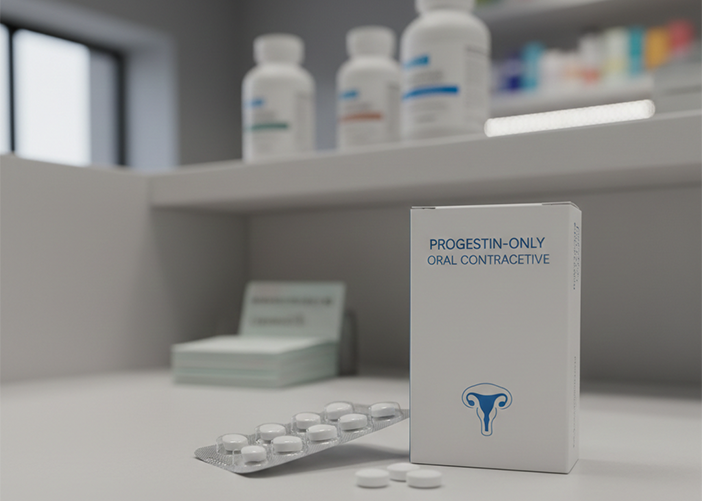
Progestin-only contraceptive pills contain only progestin and no estrogen. They are commonly chosen when estrogen-based options are not suitable.
They are often recommended for:
- Breastfeeding women
- Women sensitive to estrogen
- Individuals with certain cardiovascular risks
Mini-pills primarily thicken cervical mucus and sometimes suppress ovulation, helping to prevent pregnancy when taken correctly.
3. Emergency Contraceptive Pills
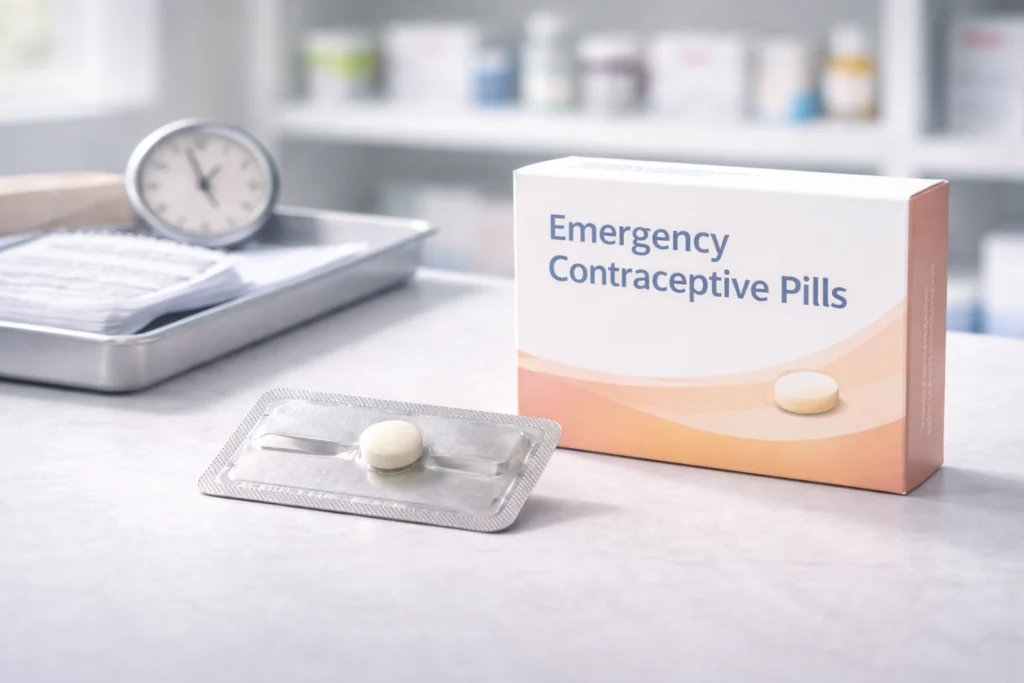
Emergency contraceptive pills are used after unprotected intercourse to reduce the chance of pregnancy. They work best when taken as soon as possible after the event and are meant for unexpected situations rather than routine use.
They are not intended for regular contraception and should only be used occasionally. These pills do not replace ongoing birth control methods and should be taken with proper awareness and guidance.
How Birth control pills Work
Contraceptive pills alter the natural hormonal cycle of the body. They primarily prevent pregnancy through three mechanisms:
| Mechanism | Explanation |
|---|---|
| Prevent Ovulation | Stops the ovary from releasing an egg |
| Thicken Cervical Mucus | Blocks sperm movement |
| Thin Endometrial Lining | Reduces chance of implantation |
When ovulation does not occur, fertilization becomes impossible.
If taken correctly, contraceptive pills are more than 99% effective.
Effectiveness of Contraceptive Pills
The effectiveness of contraceptive pills depends on consistent and correct use.
- Perfect use: Over 99% effective
- Typical use: Around 91–93% effective
Missed doses significantly reduce effectiveness. Therefore, daily adherence is critical.
7 Proven Benefits of Birth control pills
Contraceptive pills provide more than pregnancy prevention.
1. Highly Effective Birth Control

When used properly, contraceptive pills are one of the most reliable reversible contraceptive methods available. Their effectiveness is highest when taken exactly as recommended.
Taken consistently at the same time each day, this hormonal method provides strong protection against pregnancy while allowing fertility to return after discontinuation. Its effectiveness depends largely on correct and regular use.
2. Regulates Menstrual Cycles
This hormonal method helps balance the body’s natural cycle, leading to more regular and predictable periods. It is often used to manage irregular timing and reduce unexpected changes in menstrual flow.
Many users experience improved cycle control, lighter bleeding, and fewer disruptions, making monthly periods easier to track and manage.
Many women experience:
- Predictable cycles
- Reduced irregular bleeding
- Controlled timing of periods
By stabilizing hormone levels, it supports better cycle management and overall reproductive health.

3. Reduces Menstrual Pain

Contraceptive pills often decrease cramps and heavy bleeding. By regulating hormone levels, this method can reduce the intensity of uterine contractions that cause discomfort during menstruation.
Many users notice lighter periods and less severe pain, making monthly cycles more manageable and less disruptive to daily life.
4. Improves Acne
Hormonal balance achieved through contraceptive pills can reduce acne breakouts. By stabilizing hormone fluctuations, this method may lower excess oil production that often contributes to skin problems.
Many users notice clearer skin over time, making breakouts less frequent and improving overall skin appearance.

5. Lowers Risk of Ovarian and Endometrial Cancer

Long-term use is associated with reduced risk of certain cancers. By influencing hormonal activity in the reproductive system, this method may help lower the likelihood of ovarian and endometrial cancer.
Research shows that the protective effect can continue even after discontinuation, offering long-term health benefits beyond birth control.
6. Decreases PMS Symptoms
Hormonal regulation can help ease common premenstrual discomforts. Mood swings and bloating may be reduced, making the days before menstruation more manageable.
Many users experience improved emotional balance and less physical discomfort, which can positively impact daily activities and overall well-being.

7. Reversible Fertility

This birth control method offers flexibility for future family planning. Fertility typically returns quickly after discontinuation, allowing natural reproductive cycles to resume without long-term delay.
Many users are able to conceive soon after stopping, making it a suitable option for those who want reliable protection now while preserving future fertility.
Who Should Consider Birth control pills?
This birth control method may be suitable for sexually active women who want reliable pregnancy prevention and a reversible option for family planning. It is also commonly chosen by those who experience irregular periods or painful menstrual cycles.
Individuals seeking better cycle control, hormonal balance, or a medically approved contraceptive method under professional guidance may benefit from this option. Consulting a healthcare provider helps determine personal suitability and safety.
Contraceptive pills may be suitable for:
- Sexually active women seeking reliable contraception
- Women with irregular periods
- Individuals wanting reversible birth control
- Women experiencing severe menstrual cramps
However, contraceptive pills are not suitable for everyone.
Who Should Avoid Birth control pills?
This method may not be suitable for individuals with a history of blood clots, stroke, or serious heart conditions. Those with uncontrolled high blood pressure, liver disease, or certain hormone sensitive cancers are also generally advised against its use.
People who smoke heavily after the age of 35 or have medical conditions affected by hormones should seek medical advice before choosing this option. A healthcare professional can recommend safer alternatives when needed.
Certain conditions may make contraceptive pills unsafe:
- History of blood clots
- Uncontrolled hypertension
- Certain cancers
- Liver disease
- Smokers over 35 (for combination pills)
Consultation with a healthcare professional is essential before starting contraceptive pills.
Possible Side Effects of Birth control pills
Most side effects are mild and temporary.
Common Side Effects
- Nausea
- Breast tenderness
- Mild headaches
- Spotting between periods
Serious but Rare Risks
- Blood clots
- Stroke
- Heart attack
The risk remains low for most healthy non-smokers under 35.
How to Take Birth control pills Correctly
Proper usage ensures maximum effectiveness.
Daily Routine
- Take one pill at the same time each day
- Follow the pack instructions
- Do not skip doses
What If You Miss a Pill?
- Take it as soon as you remember
- Use backup contraception if needed
- Follow the specific brand instructions
Consistency is key when using contraceptive pills.
Using Time Period of Birth control pills
The using time period of contraceptive pills depends on the type of pill and your health needs. Birth control pills can be used short-term or long-term, provided they are taken under medical supervision.
Below is a clear breakdown.
1. Daily Usage Schedule
Contraceptive pills must be taken every day at the same time.
There are two common pack types:
21-Day Pack
- Take 1 pill daily for 21 days
- Stop for 7 days (withdrawal bleeding occurs)
- Start a new pack on day 8
28-Day Pack
- Take 1 pill daily for 28 days
- 21–24 active hormone pills
- 4–7 placebo pills
- Start the next pack immediately after finishing
Missing pills reduces effectiveness.
2. When Do Birth control pills Start Working?
The protection start time depends on when you begin:
| When You Start | Protection Begins |
|---|---|
| Within 5 days of period | Immediate |
| Any other time | After 7 days (use backup) |
3. How Long Can You Use Birth control pills?
There is no fixed maximum time limit for most healthy women.
You can use contraceptive pills:
- For a few months
- For several years
- Until menopause (if medically safe)
Many women safely use contraceptive pills for 5–10 years or longer, provided they:
- Have no contraindications
- Do not develop high blood pressure
- Do not smoke heavily after age 35
- Undergo regular medical check-ups
4. Emergency Birth control pills Time Period
Emergency contraceptive pills are different.
They must be taken:
- Within 24 hours (most effective)
- Up to 72 hours after unprotected intercourse
- Some types work up to 120 hours (5 days)
They are not meant for regular daily use.
5. When Should You Stop Using Birth control pills?
You should consider stopping contraceptive pills if:
- You plan to become pregnant
- You develop serious side effects
- Your doctor advises discontinuation
- You reach menopause
Fertility usually returns within weeks to months after stopping.
6. Is Long-Term Use Safe?
For most healthy, non-smoking women under 35–40, long-term use of contraceptive pills is considered safe.
However, annual health check-ups are recommended to monitor:
- Blood pressure
- Weight changes
- Hormonal response
- Risk factors
Final Summary
- Take contraceptive pills daily at the same time
- Continue as long as pregnancy prevention is needed
- No strict time limit for healthy users
- Emergency pills are for occasional use only
- Always consult a doctor for long-term planning
If you’d like, I can also explain the best age to start and stop contraceptive pills or create a medical timeline chart for you.
Advantages vs Disadvantages
| Advantages | Disadvantages |
|---|---|
| Highly effective | Must be taken daily |
| Regulates periods | Possible side effects |
| Reduces cramps | Does not protect against STIs |
| Reversible | Prescription required (in many cases) |
Myths About This method
Myth 1: They Cause Infertility
False. Fertility returns after stopping contraceptive pills.
Myth 2: They Cause Weight Gain
Modern contraceptive pills contain lower hormone doses, reducing this risk.
Myth 3: Long-Term Use Is Dangerous
Long-term use is considered safe for most healthy women under medical supervision.
Birth control pills and Safety Considerations
Before starting contraceptive pills:
- Discuss medical history
- Inform your doctor about medications
- Monitor blood pressure
Routine health check-ups improve safety.
Contraceptive Pills vs Other Birth Control Methods
| Method | Effectiveness | Reversible | Hormonal |
|---|---|---|---|
| Contraceptive Pills | High | Yes | Yes |
| IUD | Very High | Yes | Hormonal/Non-hormonal |
| Condoms | Moderate | Yes | No |
| Injection | High | Yes | Yes |
Choice depends on personal health, convenience, and long-term goals.
Are Contraceptive Pills Right for You?
Contraceptive pills remain one of the most effective, convenient, and researched methods of birth control available today. They offer multiple health benefits beyond pregnancy prevention, including menstrual regulation and hormonal balance.
However, choosing contraceptive pills should involve careful evaluation of your health history and consultation with a healthcare provider.
When used correctly, contraceptive pills provide reliable, reversible, and safe contraception for millions worldwide. Understanding their benefits, risks, and correct usage empowers individuals to make informed reproductive health decisions.
If you are considering contraceptive pills, speak with a qualified medical professional to determine the safest and most appropriate option for your needs.
You can vicit also Health & Medicine.
Frequently Asked Questions (FAQs)
1. How long does it take for contraceptive pills to start working?
If started within five days of your period, protection begins immediately. Otherwise, use backup protection for seven days.
2. Can I get pregnant after stopping contraceptive pills?
Yes. Fertility usually returns quickly after stopping contraceptive pills.
3. Do contraceptive pills protect against STIs?
No. Contraceptive pills do not protect against sexually transmitted infections.
4. Is it safe to take contraceptive pills for many years?
For most healthy women, long-term use of contraceptive pills is considered safe under medical supervision.
5. What happens if I miss two pills?
Follow package instructions and use backup contraception for at least seven days.
6. Are contraceptive pills suitable for teenagers?
Yes, they can be prescribed to teenagers for contraception and menstrual regulation.
7. Can contraceptive pills stop periods completely?
Some formulations may reduce or eliminate periods under medical guidance.