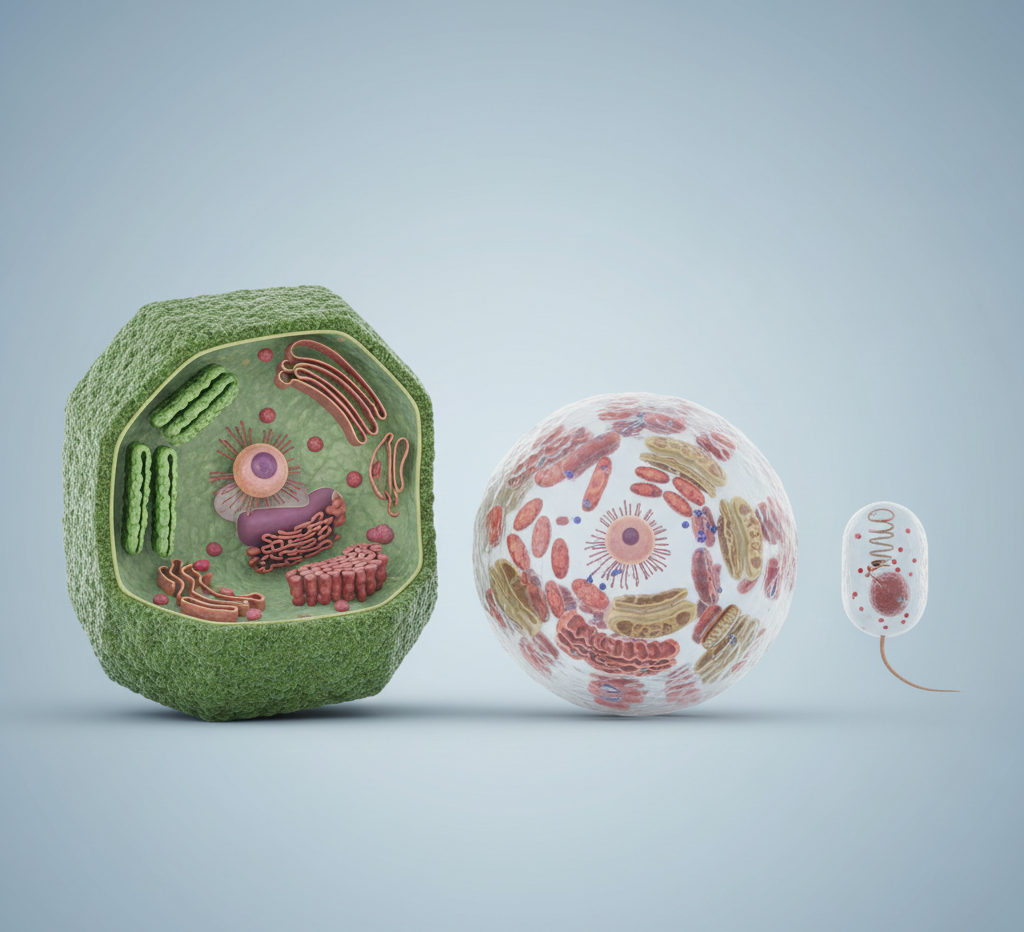
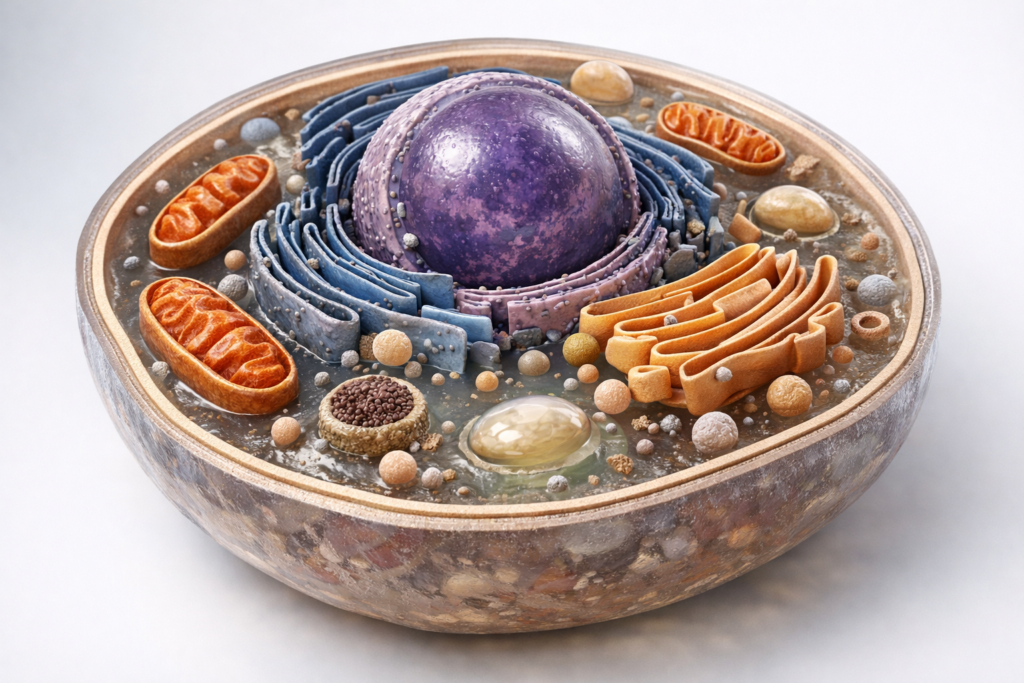
Cell Biology is a fundamental branch of Biology that deals with the study of cells—the basic structural and functional units of life. Every living organism, from a microscopic bacterium to complex multicellular organisms like plants and humans, is made up of cells. Understanding Cell Biology helps students explain how life functions at the most basic level. This topic forms the foundation for Genetics, Physiology, Biotechnology, Medicine, and many other biological sciences. In school and competitive examinations, Cell Biology is a high‑weight chapter because it explains how cells are structured, how they function, and how they divide to maintain life.
This article explains Cell Biology in a clear, step‑by‑step, student‑friendly manner. All key concepts are explained with simple definitions, real‑life examples, exam‑oriented notes, and revision support.
Definition of Cell Biology
Cell Biology is the branch of Biology that studies the structure, function, behavior, growth, and division of cells. It explains how cells carry out vital life processes such as metabolism, energy production, growth, and reproduction.
Cell Structure and Function
Cell structure refers to the physical organization of different parts of a cell, while cell function refers to the specific role performed by each part to keep the cell alive. In a cell, structures such as the cell membrane, cytoplasm, nucleus, and various organelles are arranged in an orderly manner. Each structure performs a specific function, and together they coordinate essential life processes like metabolism, growth, energy production, and reproduction.
Explanation
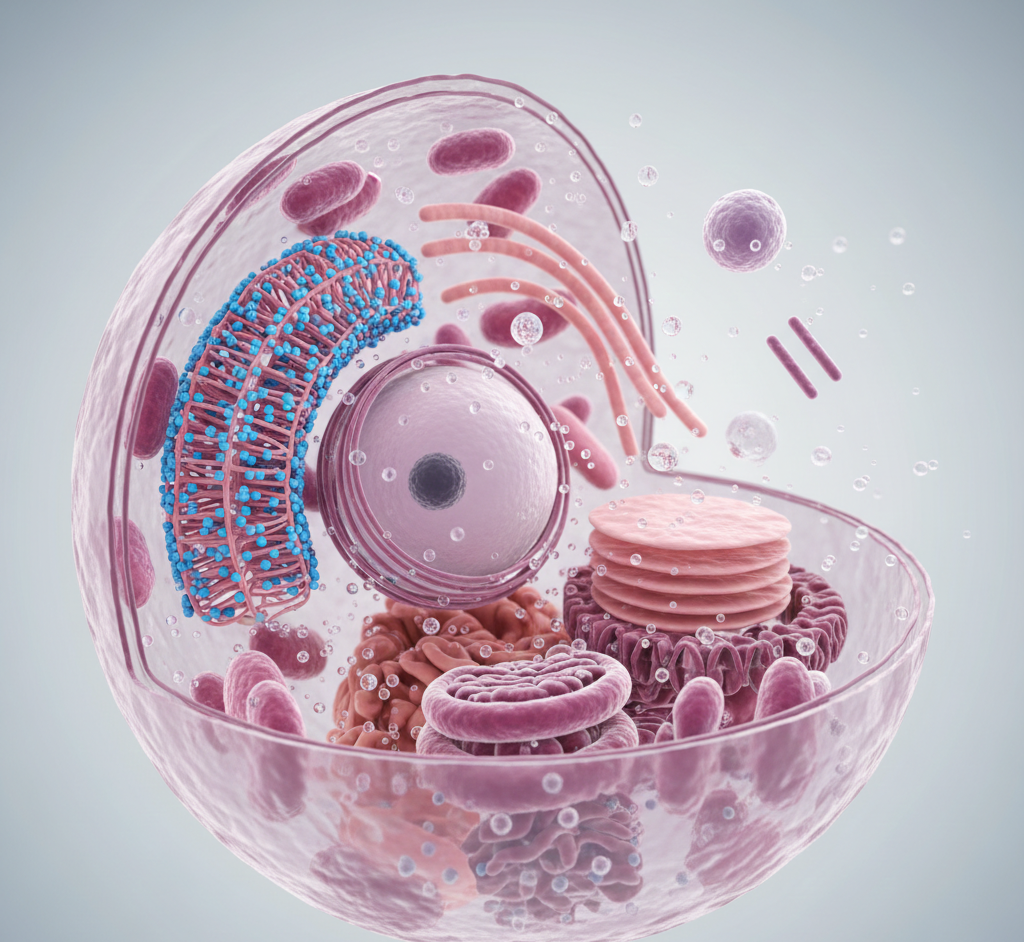
A typical cell is surrounded by a plasma membrane and contains cytoplasm, genetic material, and specialized structures called organelles. Each structure has a definite shape and function. The coordination between cell structures ensures survival and proper functioning of the organism.
Importance
- Maintains life processes
- Helps in growth and repair
- Enables specialization in multicellular organisms
Prokaryotic vs Eukaryotic Cells
Prokaryotic Cells
Prokaryotic cells are simple cells that lack a true nucleus and membrane-bound organelles. Their genetic material is not enclosed within a nuclear membrane and lies in a region called the nucleoid. These cells are usually small in size and perform all life processes within a single cell, making them the simplest and earliest forms of life.
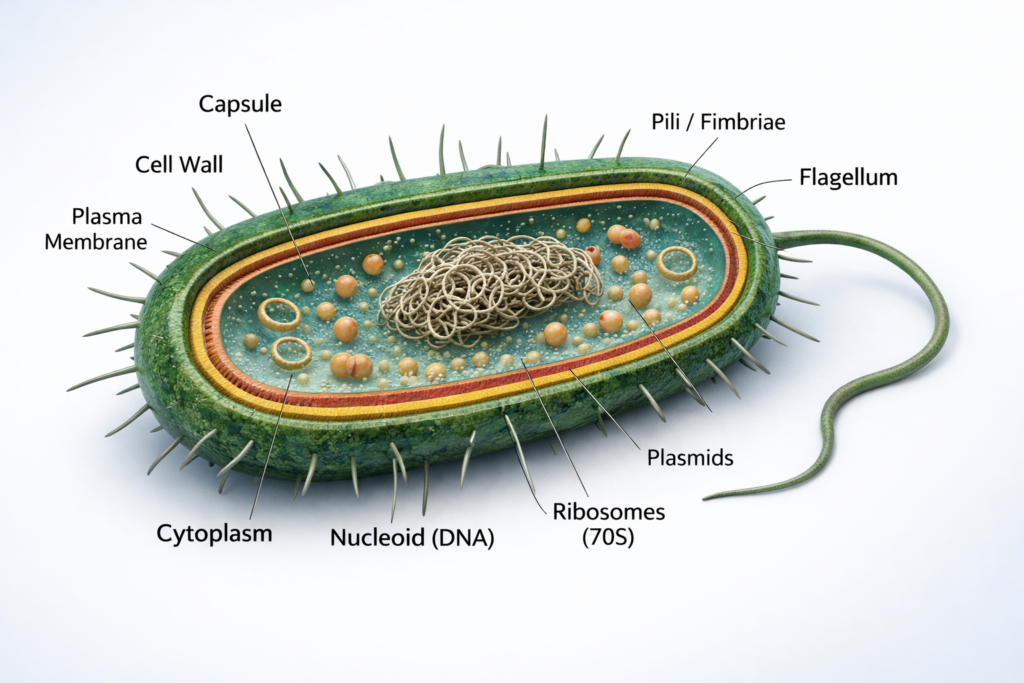
Examples: Bacteria and Cyanobacteria
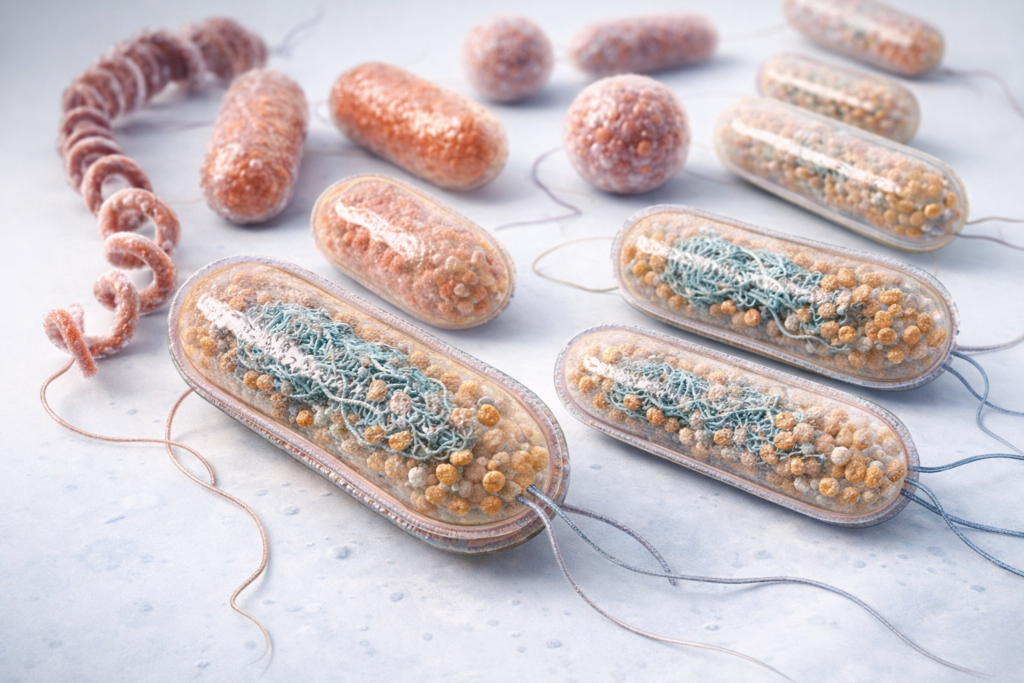
Bacteria
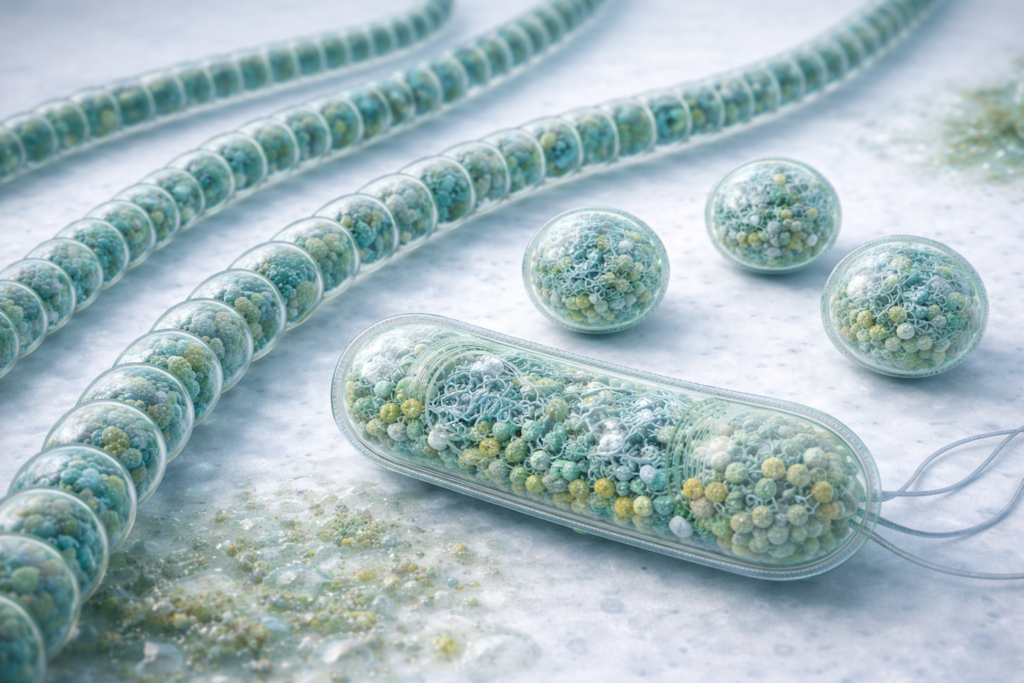
Cyanobacteria
Key Features:
- No nuclear membrane
- DNA present in nucleoid region
- Ribosomes present
- Cell wall usually present
Eukaryotic Cells
Eukaryotic cells are complex cells that contain a true nucleus and membrane-bound organelles. The nucleus encloses the genetic material, while organelles such as mitochondria, endoplasmic reticulum, and Golgi apparatus perform specialized functions. These cells are larger and more organized than prokaryotic cells and form the structural and functional basis of plants, animals, fungi, and protists.
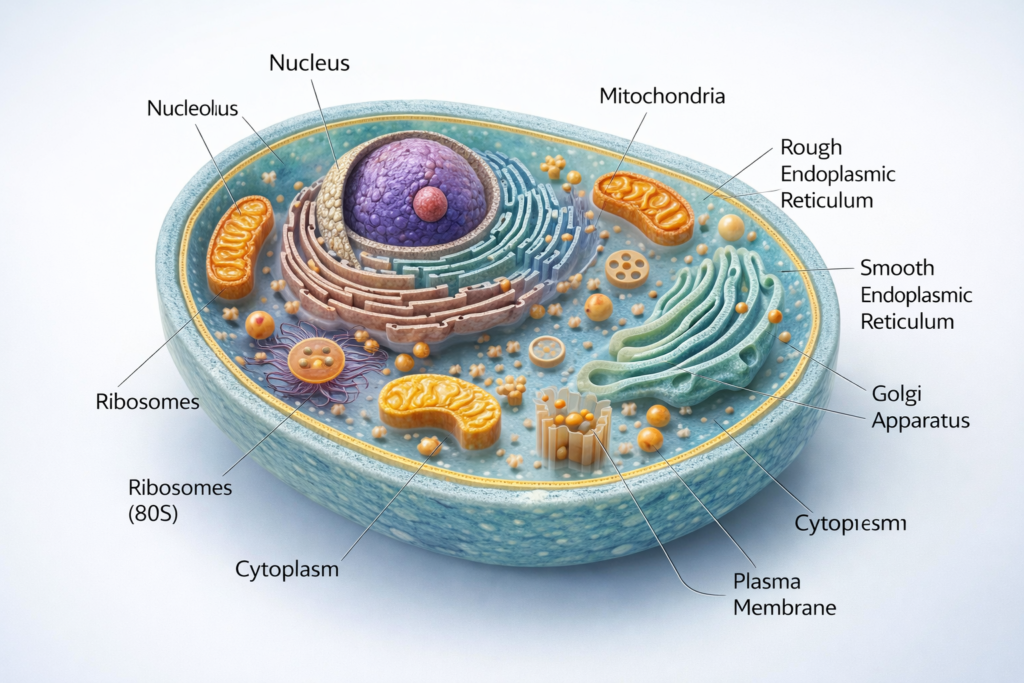
Examples:
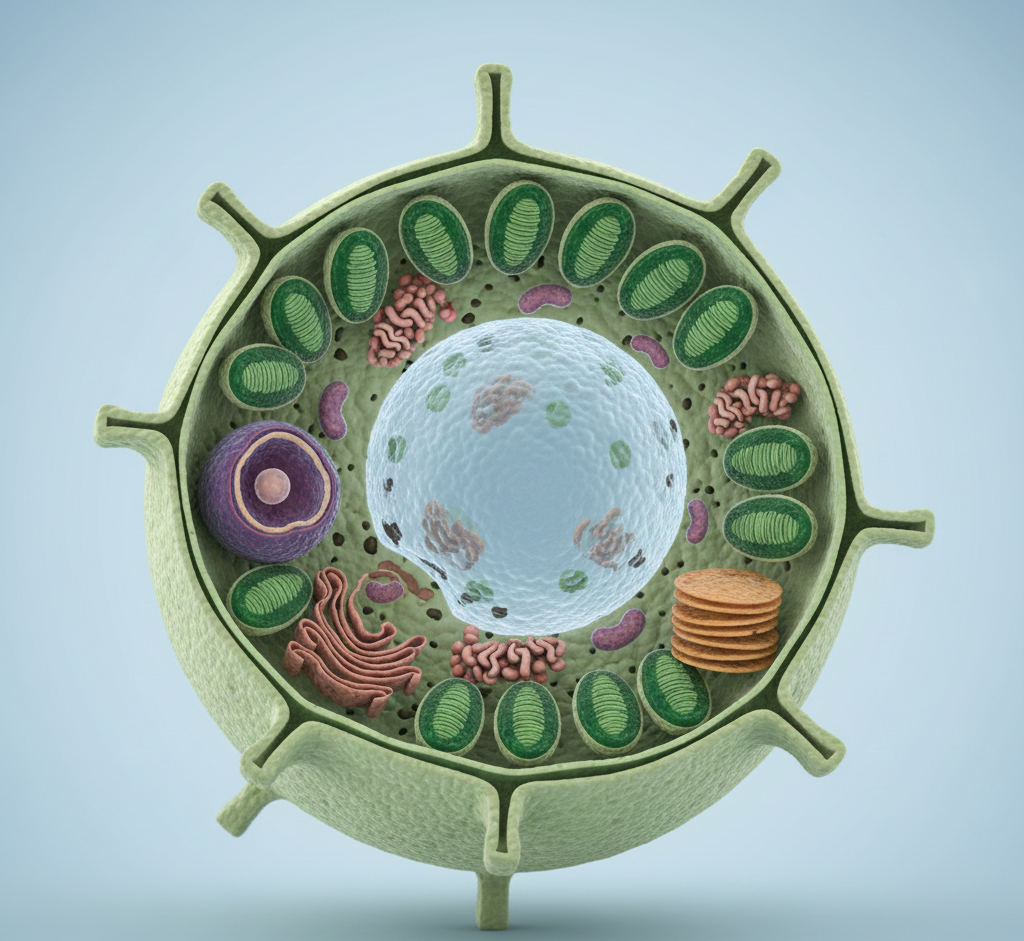
Plant Cells
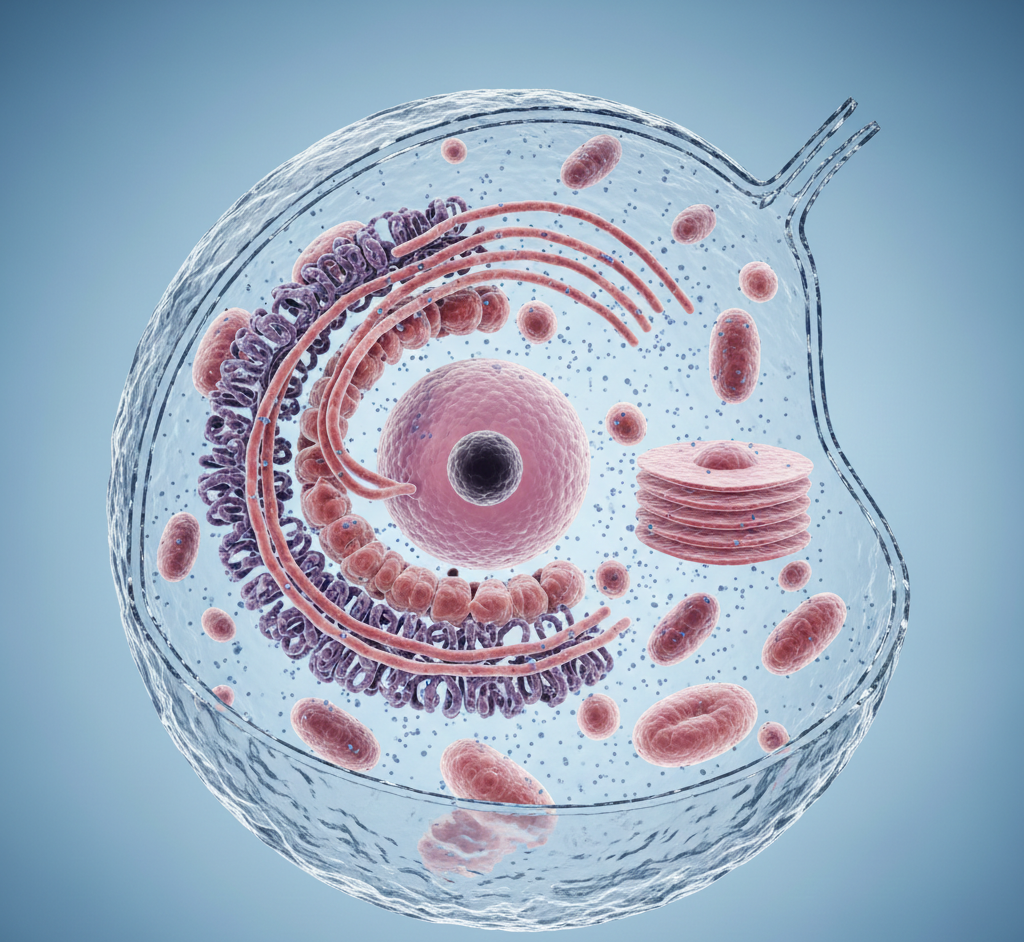
Animal cells
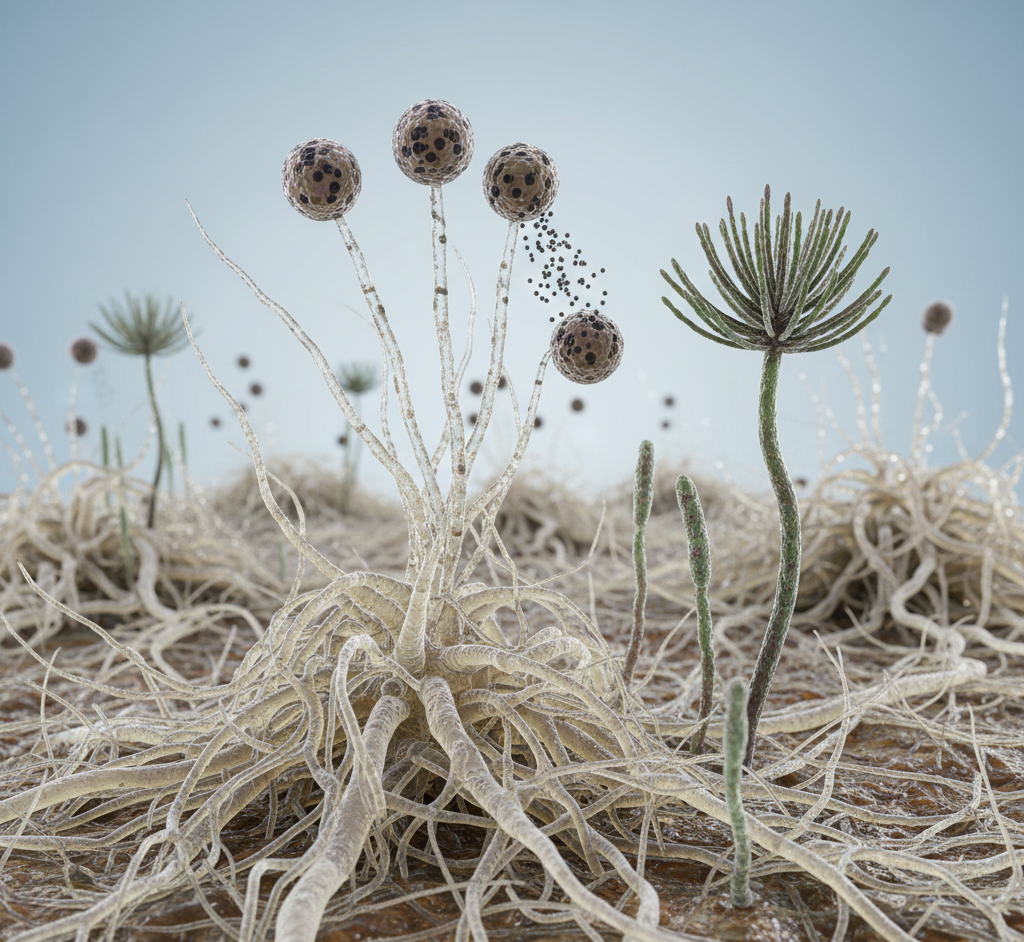
Fungai
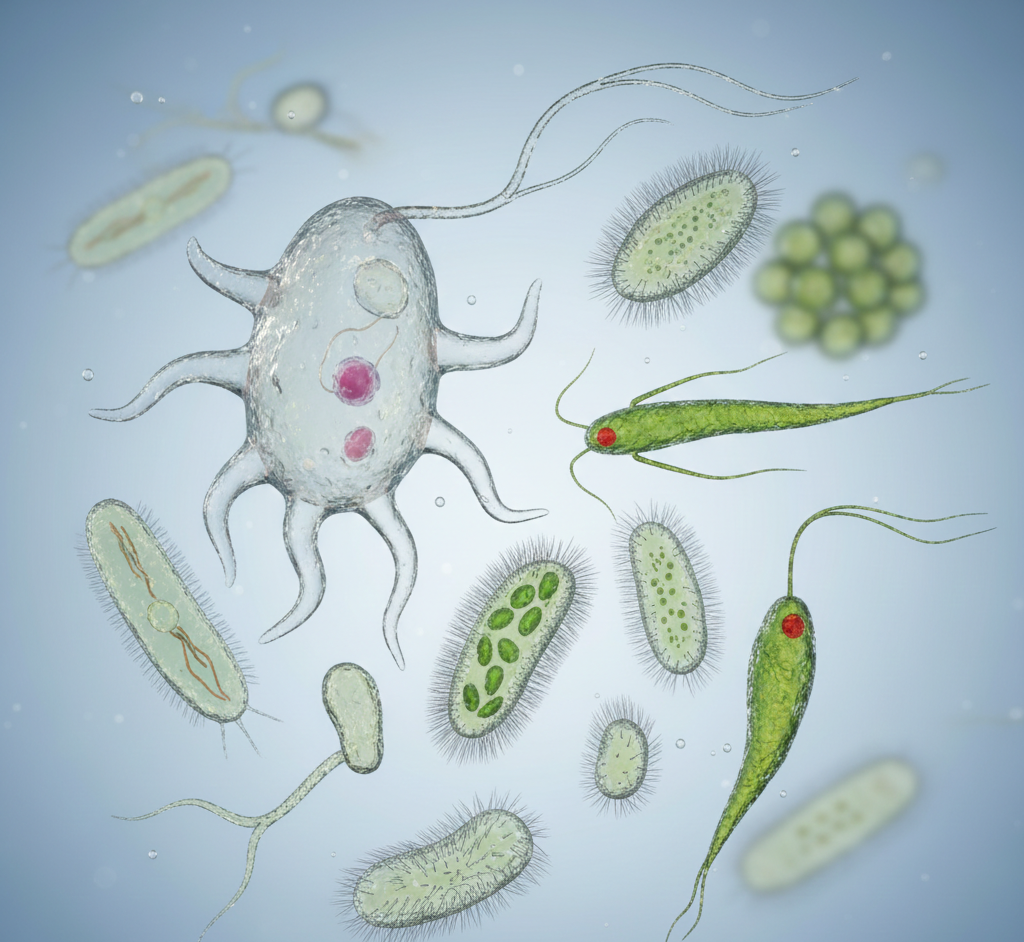
Protists
Key Features:
- Well‑defined nucleus
- Presence of organelles like mitochondria, ER, Golgi apparatus
- Larger and more complex
Difference between Prokaryotic Cells and Eukaryotic Cells
| Feature | Prokaryotic Cells | Eukaryotic Cells |
|---|---|---|
| Nucleus | Absent; DNA lies in the nucleoid region | Present; DNA enclosed by a nuclear membrane |
| Size | Smaller (usually 0.5–5 µm) | Larger (usually 10–100 µm) |
| Cell Organelles | Membrane-bound organelles absent | Membrane-bound organelles present |
| Genetic Material | Circular, naked DNA | Linear DNA associated with histone proteins |
| Ribosomes | 70S ribosomes | 80S ribosomes |
| Cell Division | Binary fission | Mitosis and meiosis |
| Cell Wall | Usually present; made of peptidoglycan | Present in plants (cellulose), absent in animals |
| Examples | Bacteria, cyanobacteria | Plants, animals, fungi, protists |
Plant Cell and Animal Cell
Plant Cell
A plant cell is a eukaryotic cell specialized for photosynthesis and support. It has a rigid cell wall made of cellulose, chloroplasts for capturing sunlight and producing energy, a large central vacuole for storing water and maintaining turgor pressure, and other organelles like mitochondria, endoplasmic reticulum, and Golgi apparatus that perform essential cellular functions. Plant cells provide structure, energy, and growth for plants.
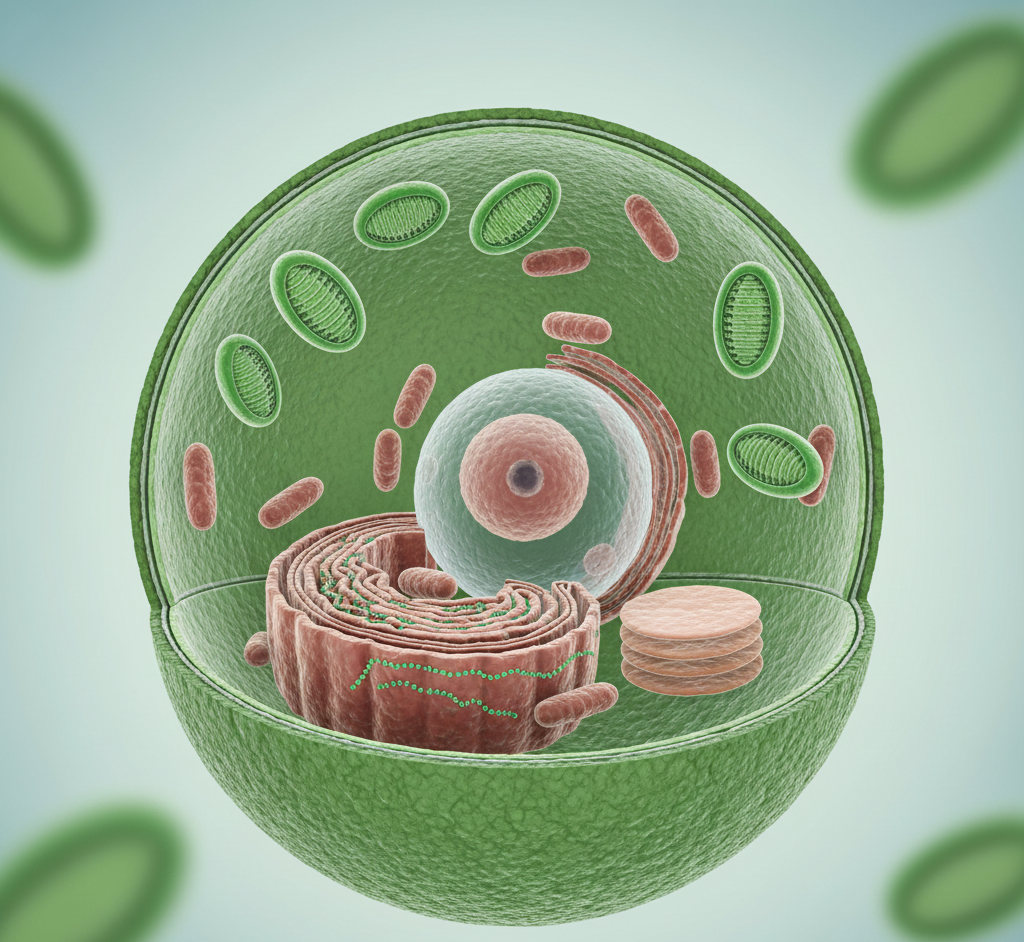
Special Features:
- Cell wall made of cellulose
- Chloroplasts for photosynthesis
- Large central vacuole
Animal Cell
An animal cell is a eukaryotic cell adapted for movement, nutrition, and complex functions. It lacks a rigid cell wall and chloroplasts but contains organelles such as the nucleus, mitochondria, endoplasmic reticulum, Golgi apparatus, lysosomes, ribosomes, and centrosomes. These structures work together to support energy production, growth, reproduction, and specialized activities in multicellular organisms.
Special Features:
- No cell wall
- No chloroplasts
- Small vacuoles
Plant Cell and Animal Cell Key Differences
| Feature | Plant Cells | Animal Cells |
|---|---|---|
| Cell Wall | Present; made of cellulose, provides rigidity | Absent; only plasma membrane present |
| Chloroplasts | Present; carry out photosynthesis | Absent; no photosynthesis |
| Shape | Usually rectangular or box-like | Usually rounded or irregular |
| Vacuole | Large central vacuole; stores water and maintains turgor pressure | Small or multiple vacuoles; for storage and transport |
| Centrioles | Usually absent | Present; involved in cell division |
| Lysosomes | Rare or absent | Present; contain digestive enzymes |
| Energy Production | Mitochondria present; chloroplasts produce additional energy | Mitochondria present; main energy source |
| Plasmodesmata | Present; channels between plant cells for transport | Absent |
| Examples | Leaf cells, stem cells, root cells | Muscle cells, nerve cells, blood cells |
Cell Organelles
Nucleus
Controls cell activities and stores genetic material (DNA).
Mitochondria
Known as the powerhouse of the cell; produces ATP through respiration.
Endoplasmic Reticulum (ER)
- Rough ER: Protein synthesis
- Smooth ER: Lipid synthesis and detoxification
Golgi Apparatus
Modifies, packages, and transports proteins.
Ribosomes
Sites of protein synthesis.
Lysosomes
Contain digestive enzymes; called suicide bags.
Vacuoles
Store food, waste, and maintain turgor pressure in plant cells.
Cell Division
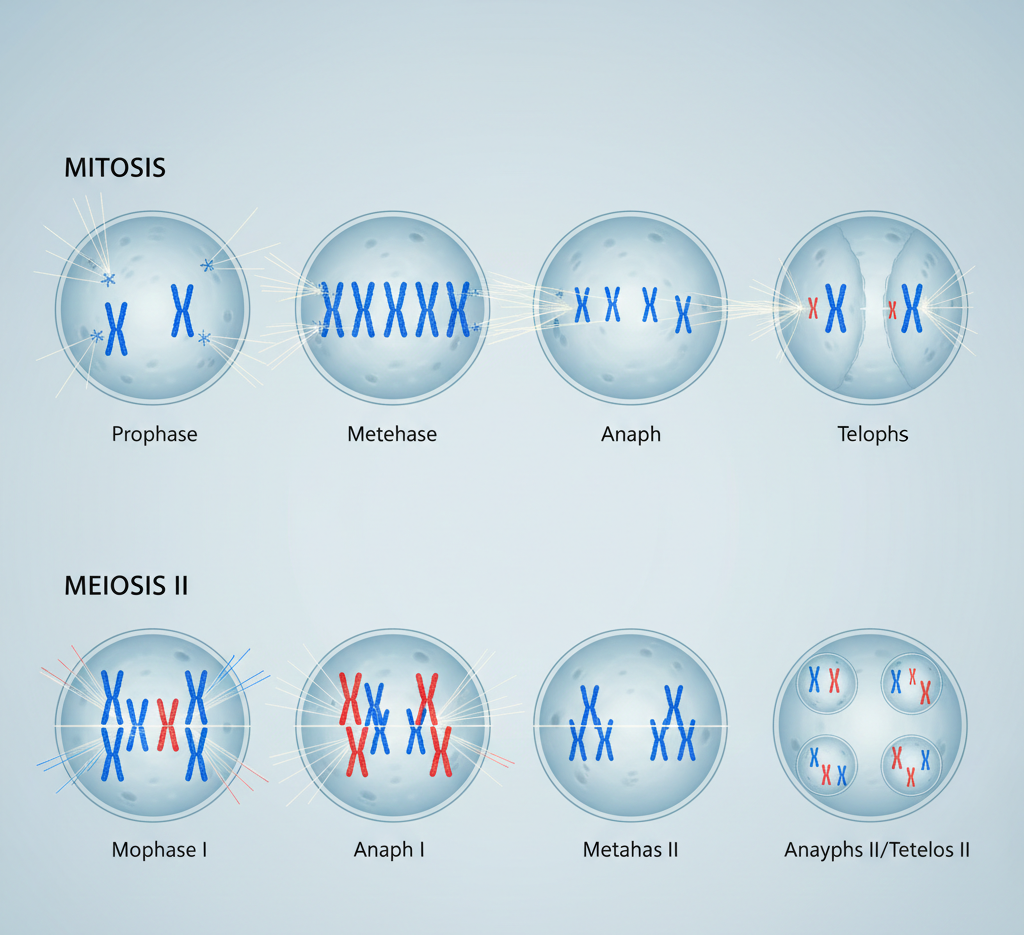
Cell division is the process by which a parent cell divides into two or more daughter cells. It is a fundamental biological process that allows organisms to grow, repair damaged tissues, and reproduce. Cell division ensures the accurate distribution of genetic material to daughter cells and can occur through mitosis (producing identical cells) or meiosis (producing genetically varied gametes).
Importance
- Growth and development
- Repair of tissues
- Reproduction
There are two main types of cell division: Mitosis and Meiosis.
Mitosis
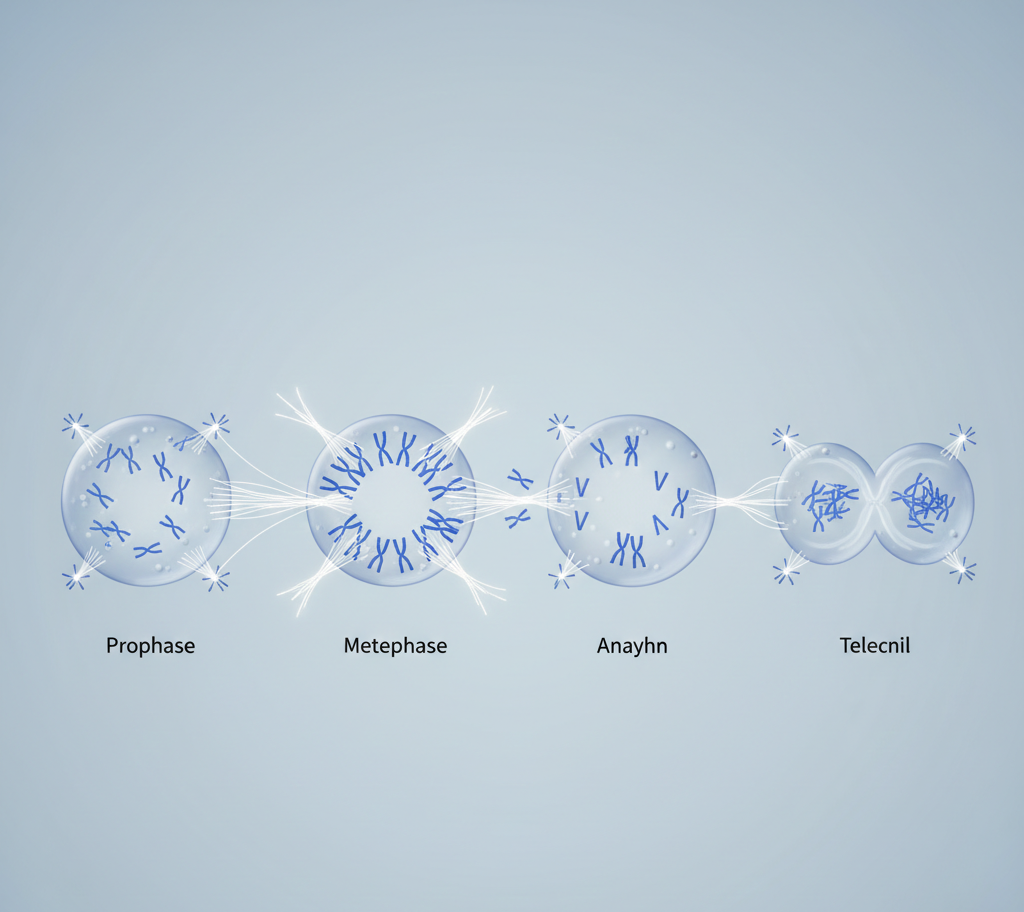
Mitosis is an equational division where one cell divides into two identical daughter cells. It is a type of cell division that ensures each daughter cell receives an exact copy of the parent cell’s genetic material. Mitosis is essential for growth, tissue repair, and asexual reproduction in multicellular organisms, and it proceeds through well-defined stages: prophase, metaphase, anaphase, and telophase.
Stages of Mitosis
- Prophase: Chromosomes condense
- Metaphase: Chromosomes align at equator
- Anaphase: Sister chromatids separate
- Telophase: Nuclear membrane reforms
Significance
- Growth
- Tissue repair
- Asexual reproduction
Meiosis
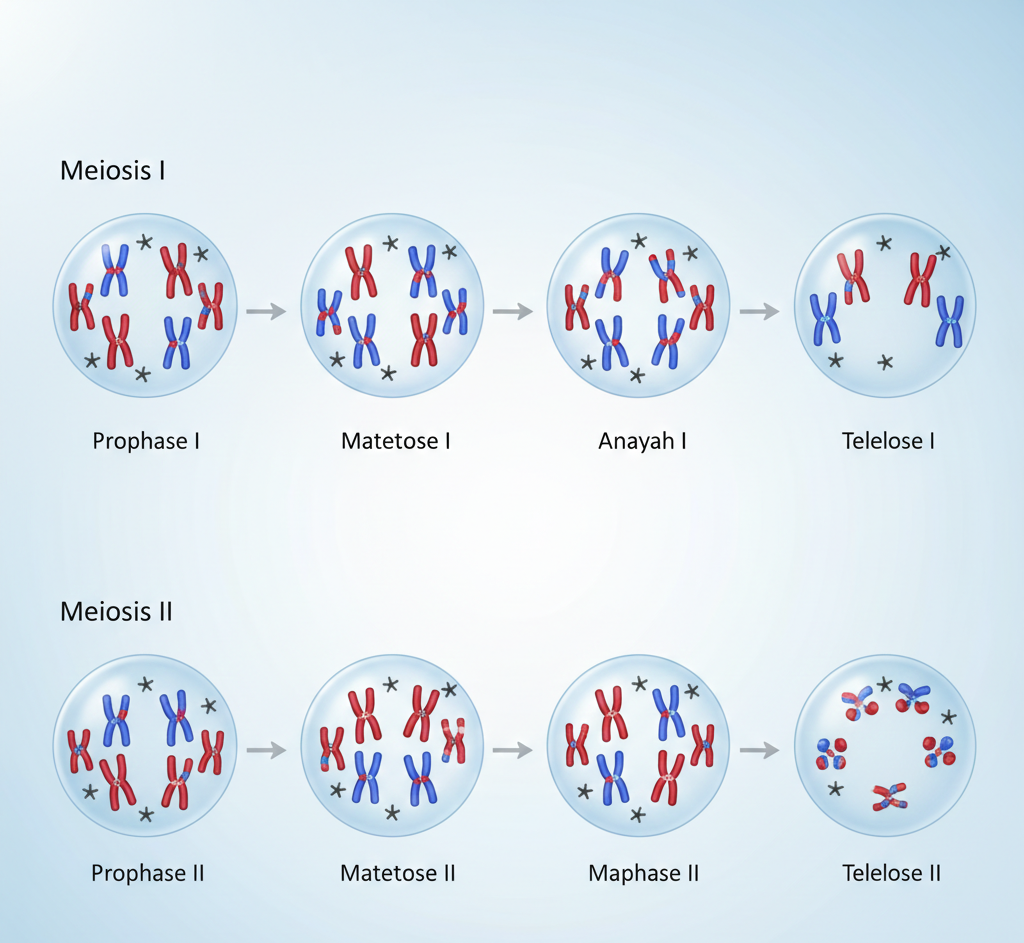
Meiosis is a reduction division that produces four haploid cells from one diploid cell. This type of cell division is essential for sexual reproduction, as it ensures that gametes (sperm and egg) have half the chromosome number of the parent cell. Meiosis introduces genetic variation through processes like crossing over and independent assortment, and it occurs in two successive stages: Meiosis I (reductional division) and Meiosis II (equational division).
Stages
- Meiosis I (Reductional division)
- Meiosis II (Equational division)
Significance
- Formation of gametes
- Genetic variation
- Maintains chromosome number
Diagrams Explained in Text
- Cell Diagram: Shows nucleus, mitochondria, ER, Golgi, ribosomes
- Mitosis Diagram: Sequential stages from prophase to telophase
- Meiosis Diagram: Homologous pairing and crossing over
Real‑Life Examples
- Muscle growth due to mitosis
- Wound healing through cell division
- Variation in siblings due to meiosis
Common Mistakes and Misconceptions
- Confusing mitosis with meiosis
- Thinking all cells have a nucleus
- Believing plant and animal cells are identical
Exam‑Oriented Notes
- Mitochondria has its own DNA
- Ribosomes are non‑membranous
- Crossing over occurs in Prophase I
Practice Questions
Q1: Define Cell Biology.
Answer: Cell Biology is the study of structure and function of cells.
Q2: Name two differences between mitosis and meiosis.
Answer: Mitosis produces identical cells; meiosis produces haploid cells with variation.
Summary for Revision
Cell Biology explains how cells are structured, how organelles function, and how cells divide through mitosis and meiosis. It forms the basis of all life processes and biological understanding.
Read more Core Sciences
References (For Further Reading)
- NCERT Biology Textbook
- Introduction to Cell Biology (FYBSc)
- Encyclopaedia Britannica – Cell Biology
- Nature Cell Biology Journal
- Journal of Cell Biology
FAQs
1. Why is Cell Biology important?
Answer: It explains the basic unit of life and biological functions.
2. Who discovered cells?
Answer: Robert Hooke discovered cells in 1665.
3. Are viruses cells?
Answer: No, viruses are acellular.
4. What is the powerhouse of the cell?
Answer: Mitochondria.
5. Where does photosynthesis occur?
Answer: In chloroplasts.
6. What type of division forms gametes?
Answer: Meiosis.