
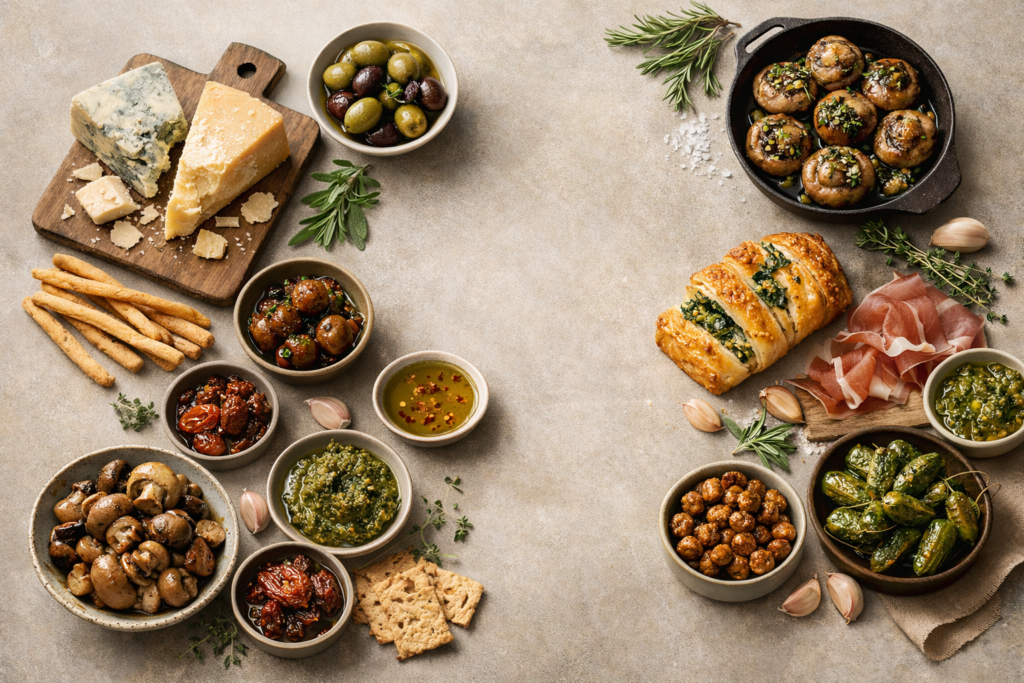
In 2026, food culture is undergoing a decisive shift. Consumers are moving away from sugar-heavy indulgences and embracing Next-Level Savory Flavors Over Sweet Treats as a more refined, satisfying, and health-conscious way of eating. This evolution is not about deprivation; it is about depth, balance, and complexity.
Savory-forward foods—rich in umami, layered textures, and bold seasoning—are now seen as more sophisticated than overly sweet desserts. From marinated vegetables and aged cheeses to savory pastries and deeply seasoned snacks, the modern palate values flavor complexity over sugar rushes. This change has also given rise to the cultural identity known as the Savory Girl trend, which celebrates intentional, grown-up eating.
This long-form guide explores why Next-Level Savory Flavors Over Sweet Treats have become a defining food movement of 2026, how the trend developed, and what it means for consumers, chefs, and the food industry.
Why 2026 Marks a Turning Point in Taste Preferences
The decline of sugar-centric eating has been building for years, but 2026 represents a clear inflection point. Several forces are converging to push savory flavors into the spotlight.
Changing Consumer Awareness
Modern consumers are more informed than ever. They read ingredient labels, understand blood sugar spikes, and recognize how excess sweetness affects long-term health.
Savory foods are perceived as:
- More nutritionally balanced
- Less addictive than sugary snacks
- Better aligned with mindful eating
This awareness fuels demand for Next-Level Savory Flavors Over Sweet Treats across all age groups.
Flavor Fatigue With Sweetness
Sweetness, once the default indulgence, now feels one-dimensional to many people. Repeated exposure to sugary products has led to palate fatigue.
Savory flavors, on the other hand, offer:
- Contrast and depth
- Lingering satisfaction
- A sense of culinary maturity
The result is a growing preference for complexity over instant gratification.
Understanding the Rise of Next-Level Savory Flavors Over Sweet Treats
Savory flavors are not new, but their elevation to center stage is. What defines this new era is intentionality and craftsmanship.
What “Next-Level Savory” Really Means
This movement is not about salty snacks alone. It is about carefully constructed flavor profiles that engage all taste receptors.
Key characteristics include:
- Umami-forward ingredients
- Controlled bitterness and acidity
- Aromatic herbs and spices
- Fermentation and aging techniques
Together, these elements create Next-Level Savory Flavors Over Sweet Treats that feel indulgent without being excessive.
The Psychology of Savory Satisfaction
Savory foods activate satiety signals more effectively than sweet ones. Umami-rich ingredients, in particular, encourage slower eating and deeper enjoyment.
This psychological satisfaction explains why people feel content after a savory pastry but crave more after a sugary dessert.
The Savory Girl Trend: A Cultural Shift
The Savory Girl trend reflects more than food preference; it represents lifestyle values.
Sophistication Over Excess
Savory Girl culture embraces:
- Minimalism in ingredients
- Quality over quantity
- Intentional indulgence
Choosing Next-Level Savory Flavors Over Sweet Treats becomes a statement of taste maturity rather than restriction.
Social Media and Identity
Visual platforms now highlight:
- Cheese boards instead of cupcakes
- Olive oil cakes over frosted desserts
- Pickled vegetables as aesthetic snacks
Savory eating has become aspirational, aligning with wellness, elegance, and authenticity.
Core Flavor Profiles Driving Savory Dominance
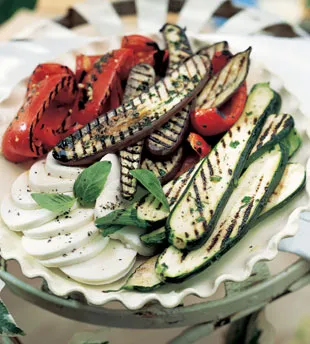
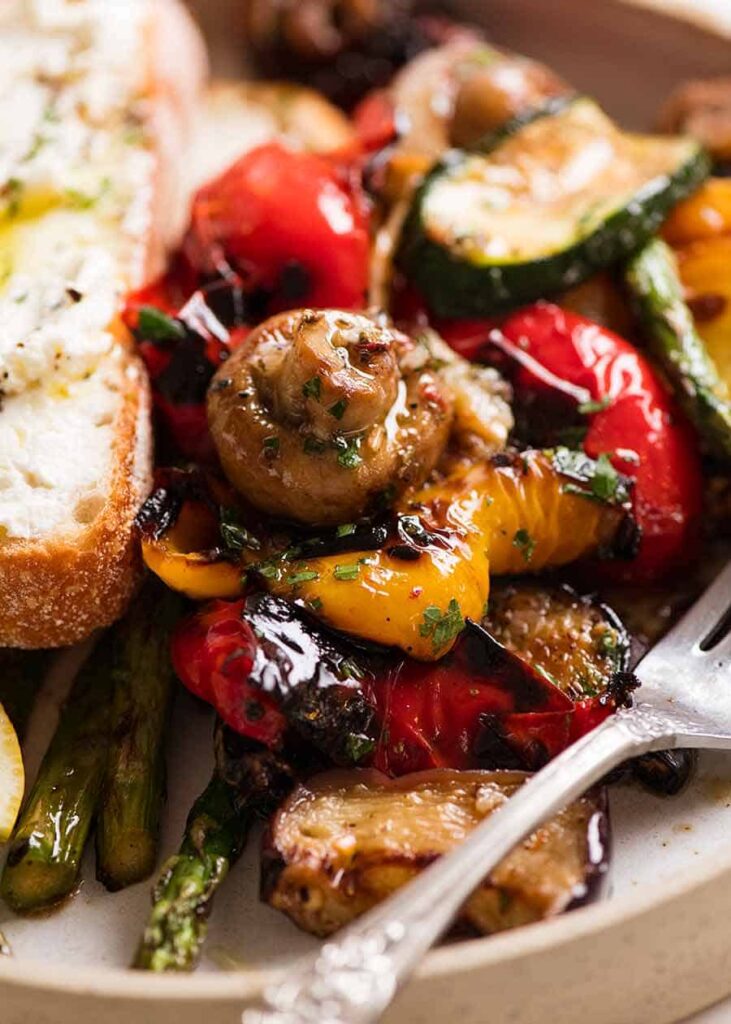
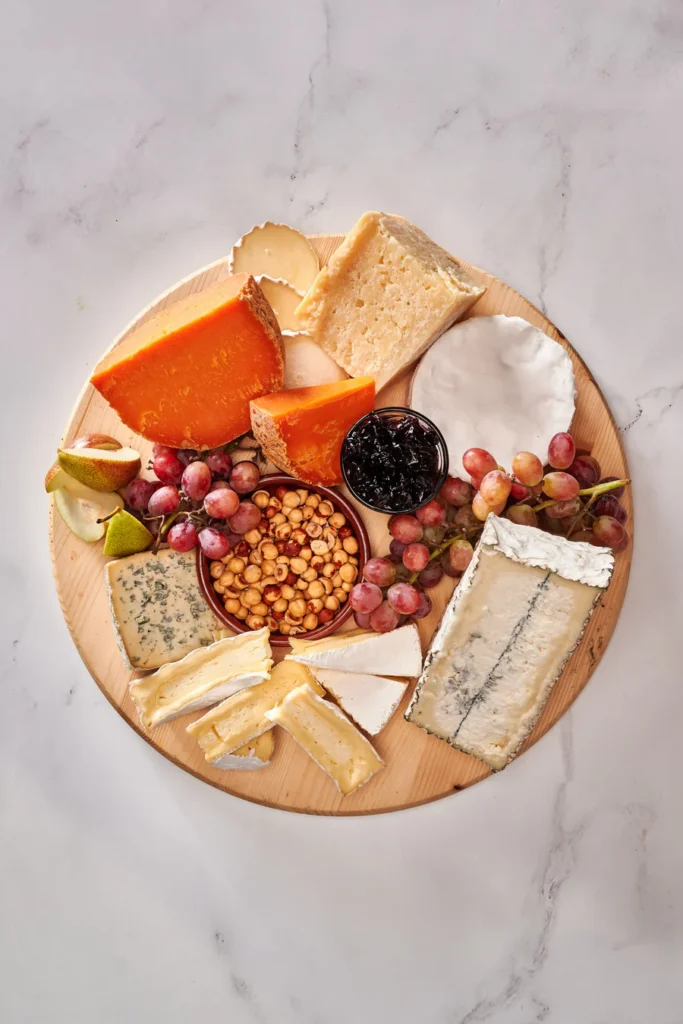
Understanding why savory foods resonate requires examining the flavors themselves.
Umami: The Fifth Taste Leading the Movement
Umami is the backbone of Next-Level Savory Flavors Over Sweet Treats. Found naturally in ingredients like mushrooms, aged cheese, seaweed, and fermented foods, umami creates depth and fullness.
Benefits of umami-forward foods include:
- Enhanced flavor without added sugar
- Greater meal satisfaction
- Reduced need for artificial flavoring
Bitterness and Acidity as Balancing Forces
Modern palates appreciate subtle bitterness and acidity. These elements:
- Cleanse the palate
- Add complexity
- Prevent flavor monotony
Savory snacks now intentionally include citrus zest, vinegar reductions, and bitter greens.
Savory Snacks Replacing Traditional Sweet Treats
Snack culture has transformed dramatically.
Popular Savory Snack Categories in 2026
Consumers seeking Next-Level Savory Flavors Over Sweet Treats gravitate toward:
- Marinated olives and vegetables
- Savory granola with nuts and spices
- Cheese crisps and baked cheese snacks
- Herb-infused crackers and flatbreads
These options deliver indulgence without sugar overload.
Savory vs Sweet Snack Comparison
| Aspect | Savory Snacks | Sweet Treats |
|---|---|---|
| Flavor depth | High | Moderate |
| Satiety | Long-lasting | Short-lived |
| Sugar impact | Low | High |
| Cultural perception | Sophisticated | Indulgent |
This comparison explains why savory snacks now dominate premium food shelves.
Savory Pastries: Redefining Indulgence
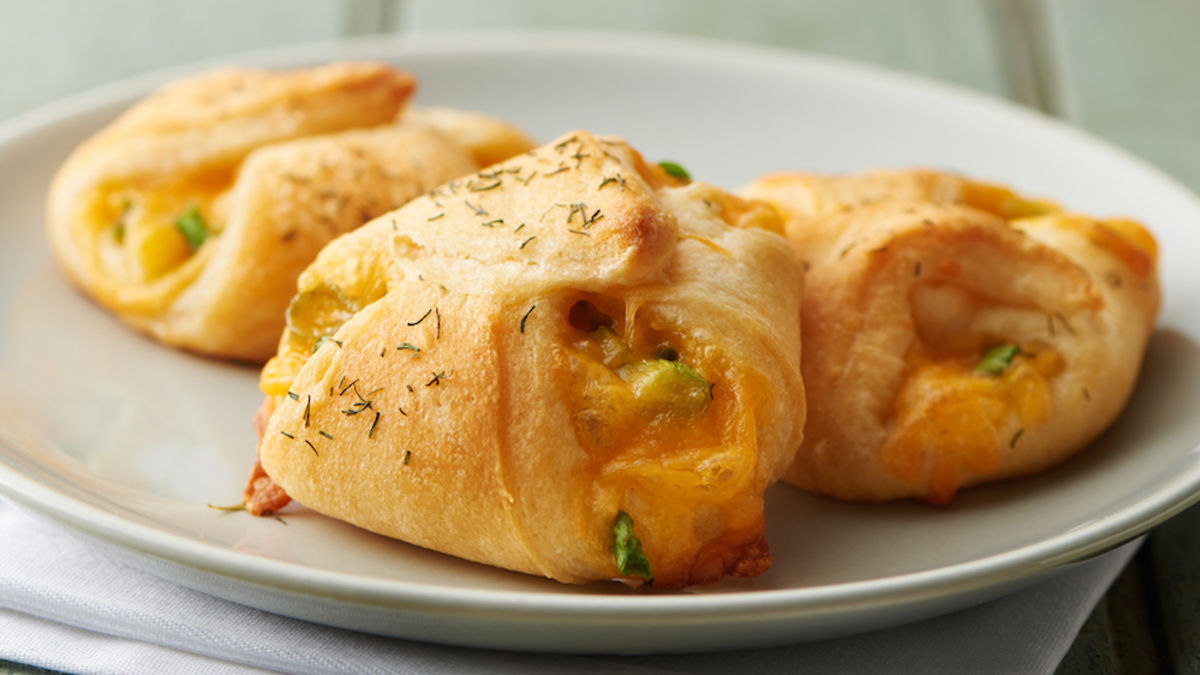


Pastries were once synonymous with sweetness. That association has changed.
Why Savory Pastries Feel More Luxurious
Savory pastries use:
- High-quality butter
- Aged cheeses
- Fresh herbs and vegetables
The result is richness without cloying sweetness, aligning perfectly with Next-Level Savory Flavors Over Sweet Treats.
Examples of Modern Savory Pastries
Popular varieties include:
- Cheese and herb croissants
- Mushroom and leek tarts
- Olive oil–based doughs
- Spinach and feta pastries
These items blur the line between snack and meal.
Health and Wellness Implications
The shift toward savory is also rooted in wellness priorities.
Reduced Sugar, Better Metabolic Health
Excess sugar intake is linked to:
- Energy crashes
- Weight gain
- Inflammation
Savory foods, especially those rich in protein and fat, provide steady energy and fewer cravings.
Mindful Eating and Portion Control
Savory flavors encourage slower consumption. People savor bites rather than rushing through sweetness, reinforcing mindful eating habits.
This aligns seamlessly with the philosophy behind Next-Level Savory Flavors Over Sweet Treats.
Culinary Innovation and the Food Industry


The food industry has responded quickly to this trend.
Product Development Trends
Brands now invest in:
- Low-sugar savory snacks
- Fermented and aged products
- Globally inspired savory flavors
Sweet products still exist, but savory innovation receives greater attention and funding.
Restaurant Menus and Fine Dining
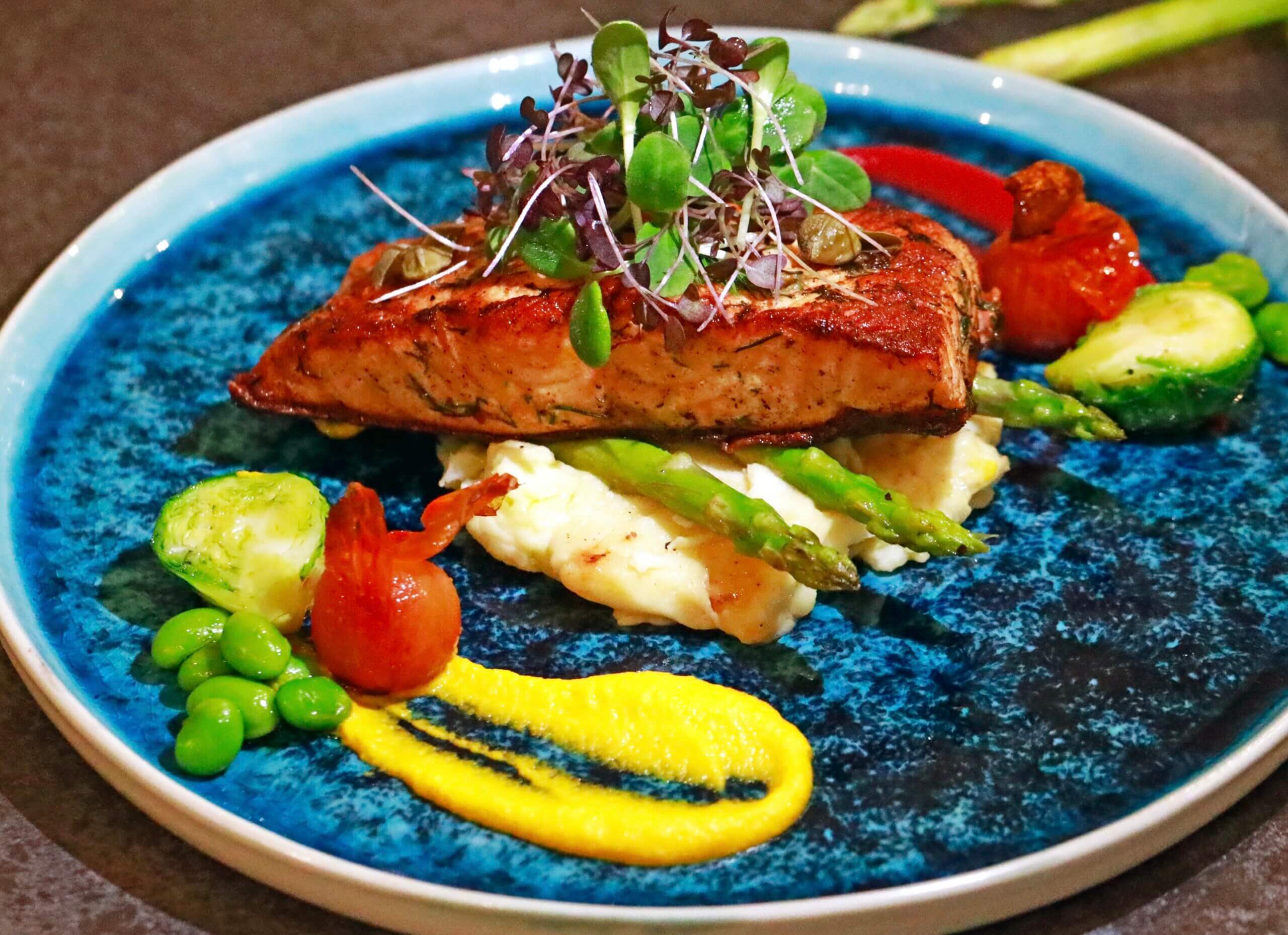
Chefs increasingly design menus where savory elements dominate, even in dessert courses. Cheese-based finales and vegetable-forward plates reflect the dominance of Next-Level Savory Flavors Over Sweet Treats.
Global Influences Shaping Savory Preferences
Savory inspiration often comes from traditional cuisines that never prioritized sugar-heavy desserts.
Cultural Flavor Foundations
Regions known for savory excellence include:
- Mediterranean cuisines with olive oil and herbs
- East Asian traditions rich in umami
- Middle Eastern dishes balancing spice and acidity
These influences normalize savory satisfaction over sweetness.
Fusion and Modern Interpretation
Contemporary chefs reinterpret global flavors to fit modern lifestyles, making savory foods accessible and exciting.
How to Embrace Next-Level Savory Flavors Over Sweet Treats at Home
Adopting this approach does not require radical change.
Simple Transitions
Replace sweet snacks with:
- Nuts roasted with spices
- Cheese and fruit pairings
- Savory yogurt bowls
These swaps gradually retrain the palate.
Flavor Building Techniques
To elevate savory cooking:
- Use fermentation when possible
- Layer herbs and spices
- Balance salt with acid
These methods unlock the essence of Next-Level Savory Flavors Over Sweet Treats.
The Future of Flavor Beyond 2026
The savory movement shows no signs of slowing.
Long-Term Implications
As consumers prioritize health and authenticity, savory foods will:
- Dominate premium categories
- Influence packaged food reformulation
- Redefine indulgence standards
Sweet treats will remain, but they will no longer lead.
Conclusion: Why Savory Is the New Standard
The rise of Next-Level Savory Flavors Over Sweet Treats marks a cultural and culinary evolution. In 2026, indulgence is no longer measured by sugar content but by depth, balance, and craftsmanship. Savory foods deliver satisfaction without excess, aligning with modern health goals and refined taste preferences.
As this movement continues, savory flavors will shape how we snack, dine, and celebrate food. Choosing savory is no longer a compromise—it is the ultimate expression of modern indulgence.
You can also visit our Daily Insight category
Frequently Asked Questions (FAQs)
1. What does Next-Level Savory Flavors Over Sweet Treats mean?
It refers to the preference for complex, umami-rich savory foods instead of sugary desserts as a primary form of indulgence.
2. Why are people avoiding sweet treats in 2026?
Rising health awareness, sugar fatigue, and desire for sophisticated flavors drive this shift.
3. Are savory foods healthier than sweet treats?
Generally, yes. Savory foods often contain less sugar and provide better satiety and metabolic balance.
4. Does this trend eliminate desserts completely?
No. Desserts still exist but are more restrained, often incorporating savory or bitter elements.
5. What role does umami play in this trend?
Umami creates depth and satisfaction, making savory foods more fulfilling than sweetness alone.
6. Is the Savory Girl trend only about food?
No. It reflects lifestyle values such as mindfulness, quality, and intentional consumption.