
December 25, 2025-
Why Christmas Continues to Unite the World
Christmas is one of the most influential celebrations in human history. Observed every year on December 25, it commemorates the birth of Jesus Christ, a central figure in Christianity. Over centuries, the festival has grown beyond its religious origins to become a global cultural event celebrated by people of diverse faiths and backgrounds.
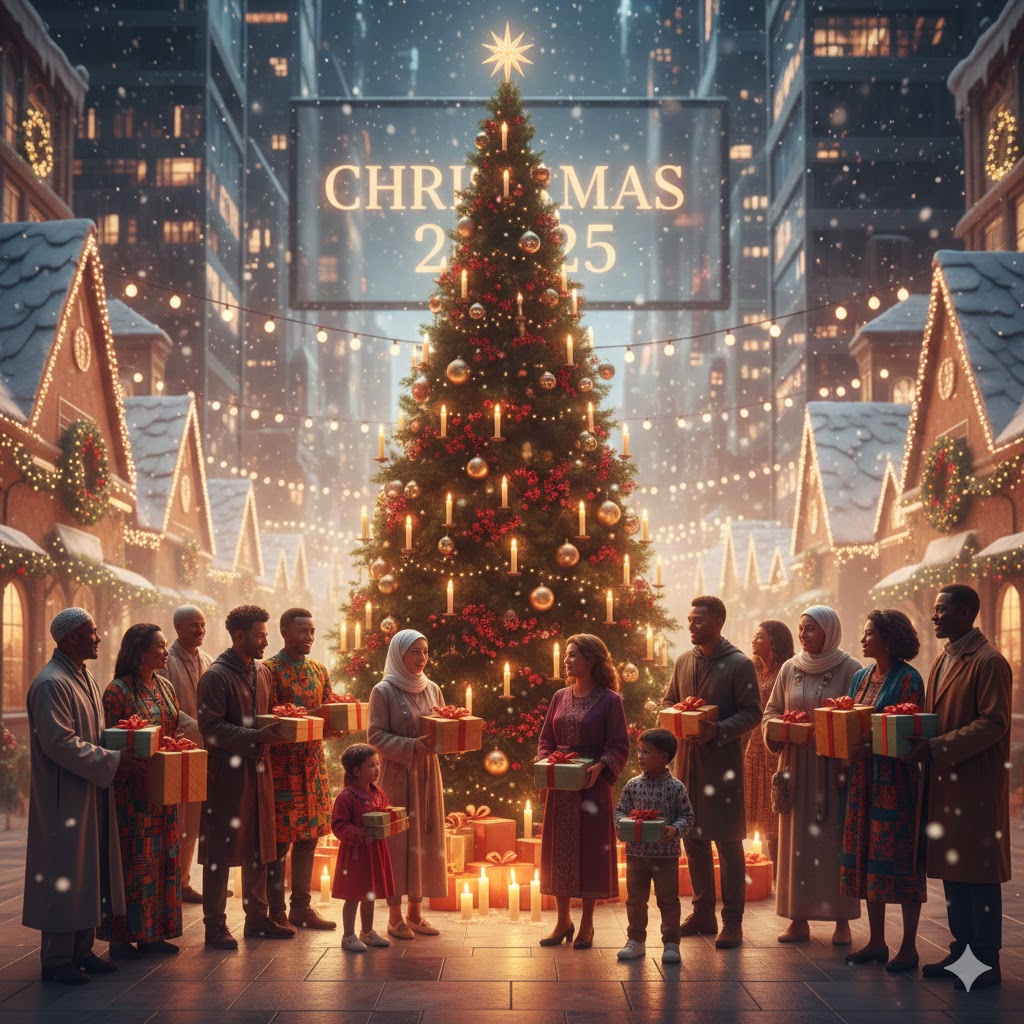
In Christmas 2025, the festival stands as a powerful reminder of shared human values—hope, generosity, compassion, and togetherness. From candlelit churches to brightly decorated city streets, from quiet family dinners to public celebrations, the season continues to connect people across cultures and continents.
What makes this celebration unique is its ability to remain rooted in tradition while constantly adapting to social, cultural, and technological change. Christmas is not static; it evolves with each generation while preserving its core meaning.
The Historical Origins of the Celebration
Early Christian Beginnings

The Bible does not record the exact date of Jesus Christ’s birth. In the earliest centuries of Christianity, followers focused primarily on his teachings, death, and resurrection. Celebrating his birth was not initially a central practice.
As Christianity spread across the Roman Empire, there was a growing desire to formally commemorate the Nativity. By the 4th century, church leaders sought a unified date that could be observed by all believers.
Why December 25 Became Significant
December 25 was officially recognized as Christmas during the reign of Emperor Constantine. Historians and theologians point to two main reasons for this decision:
- Theological Tradition
Early Christian scholars believed Jesus was conceived on March 25, a date associated with divine creation. Counting nine months forward placed his birth in late December. - Cultural Context
The date coincided with Roman winter festivals celebrating light, renewal, and the return of the sun. Christianity reinterpreted these themes, presenting Christ as the spiritual light entering the world.
This blending of theology and culture helped the celebration spread widely and gain lasting acceptance.
The Evolution of the Festival Through the Centuries
Christmas in the Medieval World
During the Middle Ages, Christmas became a major religious and social event throughout Europe. Celebrations often lasted several days and included:
- Midnight church services
- Community feasts
- Music and storytelling
- Nativity plays for public education
The season temporarily softened social divisions, allowing communities to celebrate together regardless of status.
The Reformation and Changing Attitudes
During the Protestant Reformation, Christmas faced criticism in some regions. Certain groups viewed festive excess as inconsistent with religious purity. As a result, celebrations were restricted or discouraged in parts of Europe.
Despite this resistance, Christmas endured. By the 17th and 18th centuries, it regained popularity as societies sought balance between faith, joy, and social connection.
The Birth of the Modern Celebration
The modern image of Christmas took shape in the 19th century. Several influences played a key role:
- Royal traditions popularized decorated trees
- Literature emphasized generosity and compassion
- Industrialization encouraged family-centered celebrations
This era shaped many customs still practiced today, including greeting cards, gift exchanges, and festive decorations.
Religious and Spiritual Significance
For Christians, Christmas celebrates the Incarnation, the belief that God entered the world in human form through Jesus Christ. This event represents divine love, humility, and hope for salvation.
Churches across the world observe the season with:
- Special prayer services
- Nativity scenes
- Scripture readings
- Hymns and carols
The celebration invites believers to reflect on faith, service, and compassion for others.
Cultural Meaning Beyond Religion
While Christmas remains deeply religious for many, its cultural meaning extends far beyond theology. In many societies, the season represents:
- Family reunions
- Acts of kindness
- Community bonding
- Emotional renewal
Even in non-Christian communities, the holiday is often embraced as a time for celebration, generosity, and goodwill.
Key Christmas Traditions and Their Symbolism
🎄 Christmas Trees
The Christmas tree symbolizes life and endurance during winter. Originating in Europe, it has become a global tradition. Decorating the tree is often a shared family activity, strengthening bonds and creating lasting memories.
✨ Lights and Decorations
Festive lights represent warmth and hope during the darkest days of the year. Public lighting displays also foster community pride and collective celebration.
🎶 Music and Carols
Music is central to the season. Traditional carols recount the Nativity story, while modern songs express joy, nostalgia, and togetherness. Christmas music connects generations through shared melodies and emotions.
🎁 Gift-Giving
Exchanging gifts symbolizes generosity and care. Inspired by both religious tradition and cultural practice, gifting reinforces relationships and expresses gratitude.
🍽️ Festive Meals
Food plays a vital role in celebrations worldwide. Though menus vary by region, the purpose remains the same—bringing people together around a shared table.
Santa Claus and the Spirit of Giving
The modern image of Santa Claus is inspired by Saint Nicholas, a historical figure known for generosity and compassion. Over time, folklore and popular culture transformed him into a universal symbol of kindness and joy.
Santa represents the playful and charitable side of the season, especially for children, reinforcing values of giving without expectation.
Christmas Traditions Around the World
Europe
Many European countries emphasize religious services, seasonal markets, and historic customs. Christmas markets, candles, and traditional baked goods are common features.
The Americas
In North and South America, the celebration blends faith with entertainment. Parades, festive films, and public decorations play a major role alongside church observances.
Asia
In parts of Asia, the season is celebrated more as a cultural event than a religious one. Decorations, shopping festivals, and social gatherings are common, especially in urban areas.
Africa and Oceania
African celebrations often highlight music, dance, and communal worship. In countries like Australia and New Zealand, the holiday falls during summer and is celebrated outdoors.
Christmas 2025: A Year of Reflection and Renewal
Renewed Community Celebrations
Christmas 2025 marked a strong return to large public gatherings. Cities around the world hosted markets, concerts, and lighting ceremonies, reflecting a renewed desire for shared experiences.
Travel and Global Mobility
The festive period saw a significant rise in travel, as families prioritized reunions and meaningful experiences. Tourism and hospitality industries experienced one of their busiest seasons.
Digital Influence on Celebrations
Technology continued to shape how people celebrate:
- Virtual greetings replaced traditional cards for many
- Online charity campaigns expanded reach
- Social media amplified festive storytelling
Digital tools made the season more accessible across distances.
Sustainability and Ethical Choices
One of the defining features of Christmas 2025 was increased awareness of sustainability. Many households embraced:
- Reusable decorations
- Thoughtful, minimal gifting
- Donations instead of excess consumption
This shift reflects a growing desire to align celebration with responsibility.
Economic Importance of the Season
The Christmas period plays a major role in the global economy. Retail, travel, entertainment, and hospitality sectors see peak activity.
At the same time, there is a growing emphasis on mindful spending and ethical purchasing, balancing celebration with social responsibility.
Emotional and Psychological Impact
For many people, Christmas carries deep emotional meaning. It can evoke nostalgia, joy, and comfort, while also highlighting the importance of connection and belonging.
Community initiatives during the season often focus on supporting those who may feel isolated, reinforcing the importance of inclusion and empathy.
Inspirational Christmas Quotes
“Christmas is not as much about opening our presents as opening our hearts.” – Janice Maeditere
“At Christmas, all roads lead home.” – Marjorie Holmes
“The joy of brightening other lives becomes for us the magic of the season.” – W.C. Jones
“Peace on earth will come to stay, when we live the message every day.” – Helen Steiner Rice
These words capture the deeper spirit behind the celebration.
The True Spirit of the Celebration
Beyond decorations and gifts, the true essence of Christmas lies in:
- Acts of kindness
- Forgiveness and reconciliation
- Supporting the vulnerable
- Strengthening human relationships
These values give the season its enduring power.
Conclusion: Why Christmas Remains Timeless
From its ancient origins to its modern global presence, Christmas continues to inspire people across generations. Christmas 2025 demonstrated how tradition and progress can coexist, allowing the festival to remain relevant in a changing world.
Whether observed as a religious holy day or a cultural celebration, Christmas continues to remind humanity of its shared values—hope, generosity, peace, and love. That timeless message ensures the season will endure for generations to come.
You can also visit our History & Culture Category
Frequently Asked Questions (FAQs)
1. What is the meaning of Christmas?
Christmas celebrates the birth of Jesus Christ and represents values such as love, hope, compassion, and goodwill toward others.
2. Why is Christmas celebrated on December 25?
December 25 was chosen in the 4th century and aligns with early Christian traditions and historical winter festivals symbolizing light and renewal.
3. How is Christmas celebrated around the world?
Celebrations vary by country and include church services, family gatherings, festive meals, gift-giving, music, and cultural traditions unique to each region.
4. What are the most common Christmas traditions?
Common traditions include decorating trees, exchanging gifts, singing carols, sharing festive meals, and spending time with family and community.
5. What is the true spirit of Christmas?
The true spirit of the season lies in kindness, generosity, forgiveness, and caring for others beyond material celebrations.